Medically reviewed content · Last updated: Aug 4, 2026
⚡ Quick Answer
High blood pressure (hypertension) rarely causes noticeable symptoms — which is why it is called the “silent killer.” Around one in three UK adults have it, but many are completely unaware. When symptoms do appear — such as persistent headaches, dizziness, chest pain, or vision changes — they usually indicate dangerously high readings (180/120 mmHg or above) that need urgent medical attention. The most common cause is a combination of lifestyle factors, genetics, and ageing (primary hypertension), while roughly 5–10% of cases are caused by an underlying medical condition (secondary hypertension). The only reliable way to know if your blood pressure is high is to have it measured.
📋 Table of Contents
- 1. What Is High Blood Pressure?
- 2. Blood Pressure Categories — Where Do You Fall?
- 3. Why Is It Called the “Silent Killer”?
- 4. 9 Warning Signs of High Blood Pressure You Must Know
- 5. What Causes High Blood Pressure? (Primary vs Secondary)
- 6. 12 Risk Factors That Increase Your Chances
- 7. What Happens If High Blood Pressure Goes Untreated?
- 8. When to Call 999 — Hypertensive Emergency Red Flags
- 9. How to Get Your Blood Pressure Checked
- 10. Proven Ways to Lower Your Blood Pressure
- 11. Frequently Asked Questions
- 12. References & Further Reading
What Is High Blood Pressure?
Blood pressure is the force that your blood exerts against the walls of your arteries as your heart pumps it around your body. When that force remains consistently too high, it is called hypertension — or simply high blood pressure.
Your blood pressure reading is expressed as two numbers — for example, 120/80 mmHg. The top number (systolic) measures the pressure when your heart contracts and pushes blood out. The bottom number (diastolic) measures the pressure when your heart relaxes between beats. You can learn more about what these numbers mean in our guide to understanding the gap between your two blood pressure numbers.
According to the NHS, around one in four adults in the UK have high blood pressure — and many do not even know it. The condition places enormous strain on your heart, arteries, kidneys, and brain. Without treatment, it significantly raises your risk of heart attack, stroke, and other life-threatening conditions.
Blood Pressure Categories — Where Do You Fall?
The table below shows how blood pressure is classified according to NICE (National Institute for Health and Care Excellence) and NHS guidelines. These thresholds are based on clinic readings. For a detailed breakdown by age group, visit our comprehensive guide on normal blood pressure by age.
| Category | Systolic (mmHg) | Diastolic (mmHg) | What It Means |
|---|---|---|---|
| Normal | 90–120 | 60–80 | Healthy range — keep it up |
| Pre-hypertension | 120–139 | 80–89 | Take lifestyle action now |
| Stage 1 Hypertension | 140–159 | 90–99 | GP review needed — lifestyle + possible medication |
| Stage 2 Hypertension | 160–179 | 100–109 | Medication usually required |
| Stage 3 / Severe | 180+ | 120+ | Urgent medical attention — call 999 if symptoms present |
For a deeper understanding of Stage 2 hypertension and its long-term outlook, read our detailed guide on Stage 2 hypertension life expectancy. You can also explore the complete British Hypertension Society guidelines for full clinical context.
Why Is It Called the “Silent Killer”?
High blood pressure has earned the name “the silent killer” because it almost never produces obvious symptoms. Your body quietly adapts to the increased pressure over months and years — meaning you can feel perfectly well while serious damage is happening to your arteries, heart, kidneys, eyes, and brain.
According to the British Heart Foundation (BHF), as many as 5 million adults in the UK have undiagnosed high blood pressure and are unaware they are at risk. That is a staggering number of people silently heading towards potentially life-threatening complications.
This is why regular blood pressure checks are so critically important — especially if you are over 40, have a family history of hypertension, or carry any of the risk factors we cover below. You can read more about the NHS’s proactive approach to detection in our guide to the NHS Hypertension Case-Finding Service.
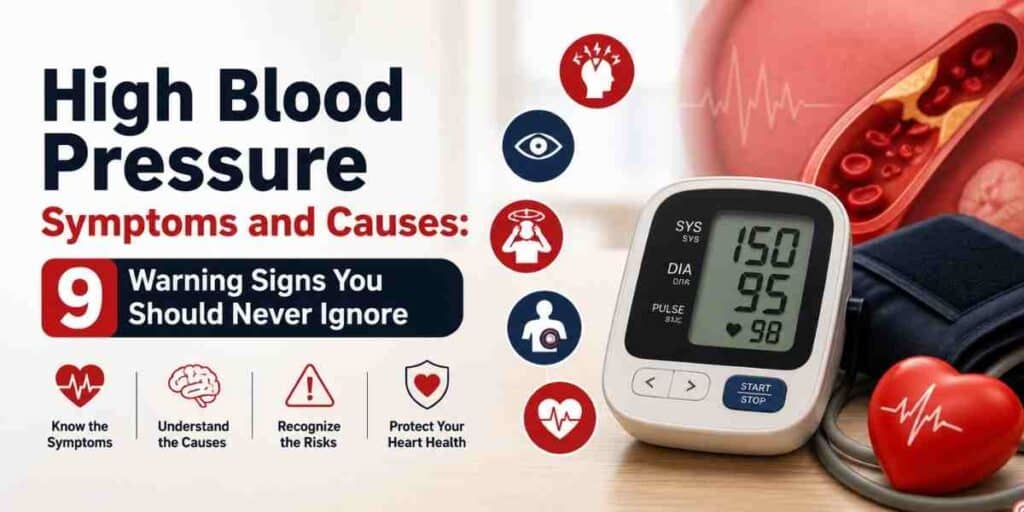
9 Warning Signs of High Blood Pressure You Must Know
While most people with hypertension have no symptoms at all, severely elevated blood pressure — particularly readings above 180/120 mmHg — can produce warning signs. These symptoms should never be dismissed. If you experience any of the following alongside a high reading, seek medical help immediately.
1. Persistent Headaches
When blood pressure reaches dangerously high levels, it can increase pressure inside the skull and compress pain-sensitive nerves. This often causes a throbbing headache at the back of the head, typically worst in the morning. It is not the same as a tension headache or migraine — it is a medical red flag. Learn more in our dedicated guide on hypertension headaches.
2. Dizziness or Lightheadedness
Dizziness is one of the more common symptoms reported when blood pressure is severely elevated. Changes in blood flow and oxygen delivery to the brain can disrupt balance and spatial awareness. Sudden-onset dizziness can also be a warning sign of stroke — do not ignore it.
3. Visual Disturbances (Blurred Vision or Flashing Lights)
High blood pressure can damage the delicate blood vessels in the eyes (a condition called hypertensive retinopathy), leading to blurred vision, double vision, or flashing lights. If left untreated, this can result in permanent vision loss. We have a detailed article on whether high blood pressure can cause flashing lights in your eyes.
4. Chest Pain or Tightness
When your heart has to work harder to pump blood against high pressure, it can cause chest pain or a sensation of tightness. This is a particularly alarming symptom because it can also indicate a heart attack — especially if accompanied by pain radiating to the shoulder, jaw, or arm, or shortness of breath. Call 999 immediately if you experience chest pain with a high reading.
5. Shortness of Breath
Severe hypertension can reduce blood flow to the lungs and force your heart into overdrive, making it harder to breathe — even during activities that normally would not cause breathlessness. Persistent shortness of breath may also be a sign of heart failure, a serious complication of untreated high blood pressure.
6. Nosebleeds
While occasional nosebleeds are common and usually harmless, frequent or heavy nosebleeds can sometimes be associated with very high blood pressure. The increased pressure can rupture the fragile blood vessels inside the nose. If you are getting regular nosebleeds and have not checked your blood pressure recently, it is worth doing so.
7. Fatigue and Exhaustion
When your heart has to work harder than normal against elevated pressure, it uses more energy — leaving you feeling unusually tired. Chronic fatigue can also result from the reduced blood flow to your muscles and organs. This is often the most overlooked warning sign. Read our in-depth article on whether high blood pressure makes you tired.
8. Neck Pain and Stiffness
A pressing or tightening sensation at the back of the head that radiates into the neck can be associated with severely elevated blood pressure — particularly when accompanied by other symptoms such as dizziness or visual changes. We explore this connection in detail in our guide to neck pain in hypertension.
9. Nausea and Vomiting
Extremely high blood pressure can rupture small blood vessels in the brain, increasing intracranial pressure and triggering nausea or vomiting. When this occurs alongside a severe headache, confusion, or visual changes, it may indicate hypertensive encephalopathy — a medical emergency requiring immediate treatment.
🚨 When to Call 999
If your blood pressure is 180/120 mmHg or higher and you experience any combination of the symptoms above — particularly chest pain, sudden severe headache, vision loss, confusion, difficulty speaking, or weakness on one side of the body — call 999 immediately. This is a hypertensive emergency, and every minute counts. For a step-by-step action plan, read our clinician’s guide to sudden high blood pressure readings.
What Causes High Blood Pressure? (Primary vs Secondary)
Understanding the causes of high blood pressure is the first step towards preventing and managing it effectively. Medical professionals divide hypertension into two main types based on its underlying cause. For a comprehensive deep-dive into causes specifically, you can also read our dedicated article on the reasons for high blood pressure.
Primary (Essential) Hypertension — 90–95% of Cases
This is the most common form and develops gradually over many years. There is no single identifiable cause — instead, it results from a complex interplay of factors:
🔹 Genetics & family history: If your parents or siblings have hypertension, you are significantly more likely to develop it.
🔹 Ageing: Blood vessels naturally lose elasticity over time, increasing resistance to blood flow.
🔹 Excess salt (sodium) intake: Salt causes your body to retain fluid, which increases blood volume and pressure. The NHS recommends no more than 6g of salt per day.
🔹 Being overweight or obese: Excess weight forces the heart to work harder and increases strain on blood vessel walls.
🔹 Physical inactivity: Sedentary lifestyles are strongly linked to higher resting blood pressure.
🔹 Excessive alcohol consumption: Regularly drinking above recommended limits raises blood pressure over time.
🔹 Chronic stress: Although stress alone does not cause long-term hypertension, it often leads to unhealthy habits (poor diet, smoking, poor sleep) that do. Read more about the anxiety and high blood pressure connection.
Secondary Hypertension — 5–10% of Cases
This type is caused by an identifiable underlying medical condition and often appears more suddenly, with higher readings than primary hypertension. The key difference is that if the underlying cause is identified and treated, the high blood pressure may improve or resolve entirely.
Common causes of secondary hypertension include:
| Underlying Condition | How It Raises Blood Pressure |
|---|---|
| Chronic kidney disease | Damaged kidneys cannot regulate fluid and sodium properly |
| Adrenal gland disorders | Excess hormones (aldosterone, cortisol) cause fluid retention and vessel constriction |
| Thyroid problems | Both overactive and underactive thyroid can disrupt blood pressure regulation |
| Obstructive sleep apnoea | Repeated oxygen drops during sleep activate stress hormones |
| Certain medications | NSAIDs, decongestants, oral contraceptives, and some antidepressants can raise BP |
| Renal artery stenosis | Narrowed arteries to the kidneys reduce blood flow, triggering hormonal BP increase |
| Diabetes | Insulin resistance and blood vessel damage contribute to sustained hypertension |
The link between diabetes and high blood pressure is particularly important. Our article on whether high blood pressure and diabetes go hand in hand explores this in depth. Similarly, infections can sometimes cause temporary spikes — learn more in our guide on whether infection can cause high blood pressure.
12 Risk Factors That Increase Your Chances
Some risk factors are within your control (modifiable), while others are not. Understanding which apply to you is essential for prevention.
🔴 Non-Modifiable Risk Factors
Age: Risk increases significantly over 40
Family history: Genetic predisposition plays a significant role
Ethnicity: People of Black African or Caribbean heritage face higher risk
Gender: Men face higher risk before age 55; after menopause, women’s risk increases. Learn more about blood pressure differences between men and women
🟢 Modifiable Risk Factors
High salt intake: Over 6g/day increases risk
Being overweight: Excess BMI raises cardiac workload
Physical inactivity: Sedentary lifestyle raises resting BP
Excess alcohol: Over 14 units/week increases risk
Smoking/vaping: Damages artery walls and accelerates atherosclerosis
Poor diet: Low potassium, high processed food intake
Chronic stress: Drives unhealthy coping behaviours
Poor sleep: Sleep apnoea and chronic sleep deprivation raise BP
Pregnancy is also a unique risk factor. Hypertension during pregnancy requires specialist management — our guide on NICE hypertension in pregnancy covers everything you need to know. Additionally, even long working hours have been linked to elevated blood pressure in research studies.
What Happens If High Blood Pressure Goes Untreated?
Uncontrolled hypertension is not just a number on a screen — it causes real, progressive damage to your body. The excessive force against your arterial walls creates tiny tears where cholesterol and fat deposits accumulate, narrowing and hardening your arteries over time (atherosclerosis).
The major complications of untreated high blood pressure include:
💔 Heart attack & coronary artery disease: Damaged, narrowed arteries reduce blood supply to the heart muscle
🧠 Stroke: High blood pressure is the single biggest risk factor for stroke in the UK
💓 Heart failure: The heart thickens and weakens from years of overwork
🫘 Chronic kidney disease: Damaged kidney blood vessels reduce filtering ability
👁️ Vision loss: Retinal blood vessel damage (hypertensive retinopathy)
🧩 Vascular dementia: Reduced blood flow to the brain impairs cognitive function over time
🔴 Aneurysm: Weakened artery walls can bulge and potentially rupture
⚡ Metabolic syndrome: Hypertension alongside high blood sugar, abnormal cholesterol, and increased waist circumference dramatically multiplies cardiovascular risk
The connection between blood pressure and back pain may also surprise you — our article on back pain and hypertension explores an often-overlooked link.
When to Call 999 — Hypertensive Emergency Red Flags
⚠️ Call 999 or Go to A&E Immediately If:
Your blood pressure reading is 180/120 mmHg or above AND you have any of the following:
❌ Severe chest pain or tightness
❌ Sudden severe headache (“thunderclap” headache)
❌ Vision changes — blurred vision, loss of vision, or flashing lights
❌ Confusion, difficulty speaking, or drowsiness
❌ Weakness or numbness on one side of the body (possible stroke)
❌ Severe shortness of breath
❌ Severe nausea or vomiting with headache
📞 Contact NHS 111 or Your GP Urgently If:
Your reading is persistently above 180/120 mmHg but you have no symptoms. Rest for 5 minutes and retake — if it remains high, seek same-day medical advice. For readings consistently above 140/90 mmHg without acute symptoms, book a GP appointment within 2–3 weeks. Meanwhile, you can monitor at home using a validated home blood pressure monitor.
How to Get Your Blood Pressure Checked
Because high blood pressure almost never causes symptoms, proactive testing is the only way to catch it. Here are the main options available to you:
🏥 GP surgery: Your blood pressure should be checked at every GP appointment. If you are over 40, you should be invited for an NHS Health Check every 5 years, which includes a blood pressure reading.
💊 Pharmacy: Many UK pharmacies offer free blood pressure checks for adults aged 40 and over — no appointment needed.
🏠 At home: Home monitoring is increasingly recommended, especially if readings at the GP are borderline. Clinically validated monitors give accurate results. See our reviews of the best home blood pressure monitors in the UK.
⌚ 24-hour ambulatory monitoring (ABPM): Your GP may arrange for you to wear a monitor for 24 hours if readings are borderline. We have practical guides on how to sleep with a 24-hour blood pressure monitor and whether you can drive with one.
Accurate measurement technique matters. When measuring at home, make sure you sit quietly for 5 minutes beforehand, avoid caffeine and exercise for 30 minutes prior, keep your arm supported at heart level, and take at least two readings 1–2 minutes apart. For proper technique on lying and standing blood pressure measurements, see our dedicated guide.
Tracking your readings over time gives the most meaningful picture. Learn how to work out your average blood pressure and how to calculate it over a week for a more accurate understanding of where you stand.
Proven Ways to Lower Your Blood Pressure
The good news is that blood pressure can be significantly lowered — often through simple, sustained lifestyle changes. Even small reductions (as little as 5 mmHg) can meaningfully reduce your risk of heart attack and stroke.
🥗 Diet Changes
Reduce salt to under 6g/day
Increase potassium-rich foods (bananas, sweet potatoes, spinach)
Follow the DASH eating plan
Read our full guide: 8 diet changes that actually lower blood pressure
🏃 Exercise
Aim for 150 minutes of moderate activity per week
Regular exercise can lower BP by 5–8 mmHg
Even daily brisk walking makes a significant difference
Explore our guide: 15 best exercises for high blood pressure
🧘 Stress Management
Practice daily meditation or deep breathing
Try yoga — it can have measurable effects on BP
See our guide: yoga poses for high blood pressure
💊 Medication
Your GP may prescribe medication if lifestyle changes alone are not sufficient
Common types include ACE inhibitors, ARBs, calcium channel blockers, and thiazide diuretics
Learn more: blood pressure medications — types and side effects
For a comprehensive, actionable plan, visit our guide on how to lower blood pressure naturally. You might also enjoy discovering whether walking or running is better for your blood pressure.
Frequently Asked Questions
Can high blood pressure be cured permanently?
In most cases, primary hypertension cannot be permanently cured — but it can be effectively controlled. Some people with mild hypertension manage to bring their readings back to normal through sustained lifestyle changes alone, such as improving their diet, exercising regularly, losing weight, and reducing salt and alcohol intake. However, this requires ongoing commitment — if old habits return, blood pressure tends to rise again. Secondary hypertension caused by a specific underlying condition (such as kidney disease or a thyroid disorder) may resolve once the root cause is treated.
What is the main cause of high blood pressure?
For the vast majority of adults (90–95%), there is no single cause. This is known as primary or essential hypertension, and it develops gradually over many years from a combination of genetics, ageing, excess salt intake, being overweight, physical inactivity, and excessive alcohol consumption. In 5–10% of cases, a specific underlying condition such as kidney disease or a hormonal disorder is responsible — this is called secondary hypertension.
How do I know if I have high blood pressure without a monitor?
The honest answer is: you almost certainly cannot tell without measuring it. High blood pressure is called the “silent killer” precisely because most people with hypertension feel completely fine. Symptoms such as headaches, nosebleeds, or dizziness typically only appear when blood pressure reaches dangerously high levels. The NHS recommends that all adults over 40 have their blood pressure checked at least every 5 years. Many UK pharmacies offer free checks — no appointment necessary.
What happens if high blood pressure is left untreated?
Untreated hypertension progressively damages your blood vessels and organs. It significantly increases your risk of heart attack, stroke, heart failure, chronic kidney disease, vascular dementia, vision loss, and aneurysm. According to the British Heart Foundation, high blood pressure is the single biggest risk factor for stroke. The good news is that early detection and even small reductions in blood pressure can dramatically reduce these risks.
Does stress cause high blood pressure?
Acute stress can cause temporary spikes in blood pressure due to the release of adrenaline and cortisol. However, stress on its own does not cause chronic hypertension. The real danger is that long-term stress often leads to unhealthy coping behaviours — overeating, smoking, drinking, and poor sleep — which are all established risk factors for sustained high blood pressure. Managing stress through techniques like meditation, yoga, and regular physical activity can help indirectly lower your blood pressure.
What should I do if my blood pressure is suddenly high?
If your reading is above 180/120 mmHg with symptoms (chest pain, severe headache, vision changes, confusion, weakness) — call 999 immediately. If above 180/120 without symptoms, sit quietly, rest for 5 minutes, and retake the reading. If it remains high, contact NHS 111 or your GP urgently. For readings consistently above 140/90 mmHg without acute symptoms, book a GP appointment within 2–3 weeks. Read our full action plan for a sudden high reading.
Can high blood pressure cause headaches?
Mild to moderate hypertension does not typically cause headaches. However, when blood pressure reaches very high levels — generally above 180/120 mmHg — it can cause a throbbing headache, often at the back of the head and worst in the morning. This is a warning sign that needs urgent attention. Read more in our full guide to hypertension headaches.
At what blood pressure level should I go to A&E?
You should go to A&E or call 999 if your blood pressure is persistently above 180/120 mmHg and you are experiencing symptoms such as severe chest pain, sudden severe headache, vision changes, confusion, difficulty speaking, numbness, or severe breathlessness. This is classified as a hypertensive emergency. Without symptoms, contact NHS 111 or your GP urgently.
References
🔗 NHS — High Blood Pressure (Hypertension)
🔗 British Heart Foundation — High Blood Pressure
🔗 NICE Guideline NG136 — Hypertension in Adults
🔗 American Heart Association — High Blood Pressure
📖 You Might Also Be Interested In
Normal Blood Pressure by Age
Find out what a healthy reading looks like at every stage of life — from children to older adults.
8 Diet Changes That Actually Lower Blood Pressure
Simple, evidence-based dietary shifts that can make a real difference to your readings.
15 Best Exercises to Control High Blood Pressure Naturally
From walking to resistance training — the exercises proven to bring your numbers down.
How to Work Out Your Average Blood Pressure
Why a single reading isn’t enough — and how to calculate your true average for better accuracy.
Yoga Poses for High Blood Pressure
Gentle, calming poses that research shows can help reduce blood pressure naturally.
25 DASH-Friendly Recipes
Delicious, heart-healthy meals designed to support lower blood pressure every day.
⚕️ Medical Disclaimer
This article is for informational purposes only and does not constitute medical advice. It is not a substitute for professional medical consultation, diagnosis, or treatment. Always seek the advice of your GP or a qualified healthcare provider with any questions about a medical condition. If you think you may be experiencing a medical emergency, call 999 or go to your nearest A&E department immediately.