Feeling a bit lightheaded or unusually tired? While often less discussed than high blood pressure, low blood pressure can significantly impact your daily life. This guide focuses on women, explaining the unique causes, key symptoms, and practical steps to take. If you’re monitoring your readings, start by understanding your numbers with our Blood Pressure Average Calculator.
What is low blood pressure?
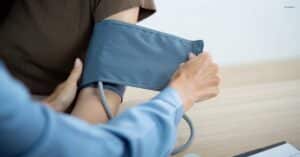
Blood pressure is the force of blood pushing against your artery walls. It’s recorded as two figures: systolic (pressure when your heart beats) and diastolic (pressure when your heart rests between beats). In the UK, low blood pressure (hypotension) is generally defined as a reading lower than 90 mmHg systolic and/or 60 mmHg diastolic (<90/60).
However, context is crucial. A single low reading without symptoms might not be a concern. What often matters more is a drop in blood pressure. As noted by the Mayo Clinic, a sudden fall of just 20 mmHg — for example, a drop from 110 systolic to 90 systolic — can cause dizziness and fainting. It’s the change and associated symptoms that typically signal a problem, rather than the number alone.
Common symptoms of low blood pressure in women
Symptoms occur when your brain doesn’t receive enough blood flow. They can range from mild and occasional to severe and disruptive. Use this scale as a guide:
Mild to Moderate Symptoms:
-
Dizziness or Lightheadedness: Especially when standing up quickly.
-
Blurred or Tunnel Vision: A temporary disturbance.
-
Weakness or Fatigue: A general feeling of being drained.
-
Difficulty Concentrating: “Brain fog” or feeling spaced out.
-
Nausea: A queasy, unsettled feeling.
-
Cold, Clammy, or Pale Skin.
Severe Symptoms (Requiring Medical Attention):
-
Fainting (Syncope): A temporary loss of consciousness.
-
Rapid, Shallow Breathing.
-
A Rapid, Weak Pulse.
EMERGENCY — CALL 999 IF…
You or someone else experiences symptoms of shock, a life-threatening condition where blood pressure drops dangerously low. Signs include:
Confusion, especially in older adults.
Cold, sweaty, blotchy skin that may be pale or blue.
Rapid, shallow breathing.
A weak, rapid pulse.
Causes more common in women

Several factors make women more susceptible to low blood pressure.
Pregnancy
Your circulatory system expands rapidly during pregnancy, often causing a dip in blood pressure that peaks mid-pregnancy. This is usually normal but can explain lightheadedness.
When pregnant — call your midwife immediately if: dizziness is sudden or severe, is accompanied by abdominal pain or vaginal bleeding, or you faint.
Hormonal Changes
-
Menstrual Cycle: Blood loss and hormonal fluctuations can contribute to temporary drops.
-
Menopause: The decline in oestrogen can affect blood vessel flexibility and contribute to instability.
Medications
Common prescriptions can be a culprit, including some for high blood pressure, antidepressants, anti-anxiety drugs, and even certain over-the-counter painkillers. Some hormonal contraceptives may also play a role.
Dehydration
Inadequate fluid intake reduces blood volume, leading to a drop in pressure. This can be caused by illness, excessive sweating, or not drinking enough.
Autonomic Dysfunction & POTS
Conditions like Postural Tachycardia Syndrome (POTS), which is more common in women, affect the autonomic nervous system. This system controls functions like heart rate and blood pressure, leading to a significant rise in heart rate and a drop in BP upon standing.
Anaemia & Thyroid Issues
Low iron (anaemia) reduces your blood’s oxygen-carrying capacity. An underactive thyroid (hypothyroidism) can also slow bodily processes, sometimes leading to lower blood pressure.
How symptoms differ by life stage
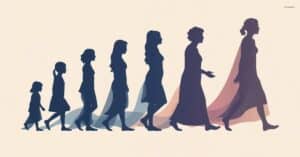
The experience of low blood pressure can change throughout a woman’s life. Here’s a quick guide to causes and tailored tips.
| Life Stage | Common Causes & Notes | Practical Tips |
|---|---|---|
| Adolescents/ Young Adults | Rapid growth, POTS, dehydration, anaemia. | 1. Increase water and electrolyte intake, especially during activity. 2. Don’t skip meals; opt for smaller, more frequent snacks. 3. Rise slowly from sitting or lying down. |
| Pregnancy/ Postpartum | Expanded circulation, pressure on major vessels from the uterus, blood loss during birth. | 1. Sleep on your left side to improve circulation. 2. Keep hydrating and carry healthy snacks. 3. Postpartum: report severe dizziness to your GP or health visitor. |
| Perimenopause & Menopause | Hormonal fluctuations, side effects of new medications. | 1. Track symptoms alongside your cycle. 2. Review any new medications with your GP. 3. Consider compression stockings if standing a lot. |
| Older Women | Medication side effects, dehydration, underlying heart conditions, Blood Pressure Differences Between Men and Women. | 1. Have a full annual medication review with your GP. 2. Ensure easy access to fluids throughout the day. 3. Sit on the edge of the bed for a minute before standing up. |
What to do now — immediate steps & when to seek medical help
If you feel faint or dizzy:
-
Stop what you are doing. Do not try to drive or operate machinery.
-
Sit or Lie Down Immediately. This prevents falls and helps blood flow to your brain.
-
Elevate Your Legs. If you can, raise your legs above heart level.
-
Drink Water. Rehydrate slowly.
When to seek medical help:
-
Contact your GP if symptoms are new, frequent, or interfering with your life.
-
See your GP or midwife urgently if pregnant and symptoms are severe or sudden.
-
Go to A&E or call 999 for emergency signs (shock, chest pain, severe headache, shortness of breath). Do not attempt to drive yourself.
The NHS advises simple self-care like increasing water intake and rising slowly, but do not self-treat by adding extra salt to your diet without a doctor’s advice, especially if you have any history of heart or kidney problems.
Diagnosis & tests
To find the cause, your GP will likely:
-
Review your history and medications.
-
Check orthostatic (postural) blood pressure: measuring your BP while lying down and again after standing for 1-3 minutes.
-
Order blood tests to check for anaemia, thyroid issues, or low blood sugar.
-
Possibly perform an ECG to check heart rhythm.
-
In complex cases (e.g., suspected POTS), refer you for a tilt table test, which monitors your BP and heart rate as the table tilts you upright.
Prevention & lifestyle tips for women
Managing low BP is often about smart daily habits:
-
Hydrate Strategically: Aim for 1.5-2 litres of fluid daily. Water is best; include electrolytes after intense exercise or in heat.
-
Eat Small, Frequent Meals: Large meals can shunt blood to your gut, causing a post-meal dip. Avoid high-carb meals alone.
-
Move Smartly: Counteract blood pooling in your legs with calf raises or marching on the spot before standing. Consider compression stockings.
-
Review Medications: Have your GP or pharmacist review all your prescriptions and over-the-counter pills. For related conditions, see our guide on Back Pain and Hypertension: What’s the Real Connection?.
-
Rise Slowly: Use the “1-2-3 rule”: Sit for 1 minute on the edge of the bed, stand slowly for 2 minutes holding support, then walk.
Frequently Asked Questions
Know when to act. If your symptoms are persistent or severe, please consult your GP for a personalised assessment. For immediate guidance during a sudden episode, refer to Your Action Plan for a Sudden High Blood Pressure Reading, as the initial first-aid steps for feeling faint are similar.
Last Reviewed Date: April 2025 | Clinical Reviewer: Dr. Anya Sharma, MBBS, MRCGP
Disclaimer: This article is for informational purposes only and does not constitute medical advice. Always consult with a qualified healthcare professional for diagnosis and treatment.
Conclusion:
Understanding your body’s signals is the first step to managing your wellbeing. Download our printable symptom checklist and track your patterns with our Blood Pressure Average Calculator.