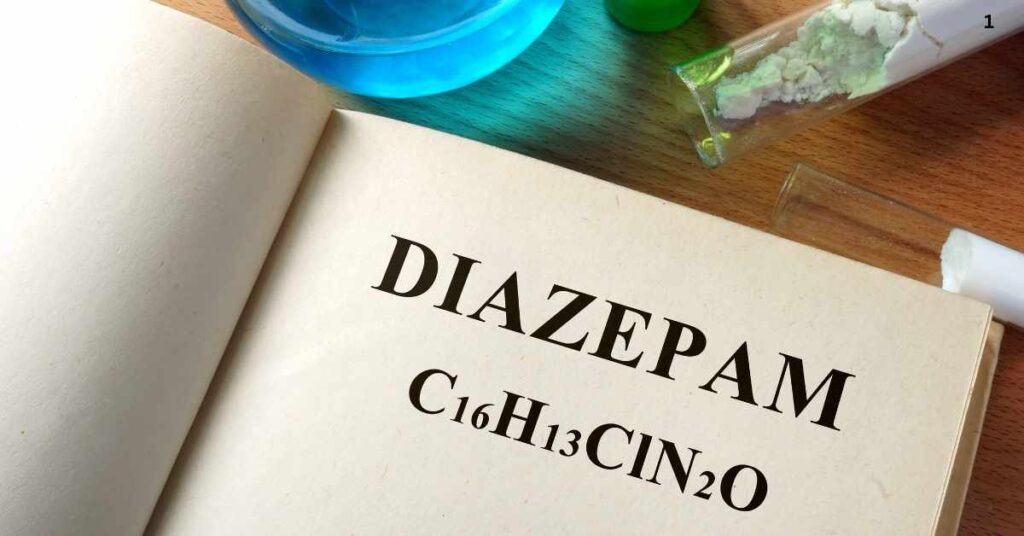
You’ve been prescribed diazepam, or you’re considering it, and a key question is on your mind: does diazepam reduce blood pressure? This is a crucial concern, especially if you already have high or low blood pressure. The relationship is complex, and understanding it is vital for your safety.
In short, yes, diazepam can lower blood pressure, particularly in acute, stressful situations. However, it is not a blood pressure medication and should never be used as one. Its effects are a byproduct of its primary action: calming the nervous system. This guide will dissect the latest scientific research, explain the mechanisms at play, and provide clear, NHS-aligned guidance on what this means for you.
Quick Answer: Yes, diazepam can lower blood pressure, primarily by reducing anxiety and calming the sympathetic nervous system. This effect is usually modest and most pronounced during short-term use for acute stress. However, diazepam is not approved or prescribed for treating high blood pressure (hypertension).
Its use for this purpose is off-label and comes with significant risks, including dependency and tolerance. Always follow your doctor’s advice and never use diazepam to manage your blood pressure.
What is Diazepam?
Diazepam is a well-known medication belonging to the benzodiazepine class of drugs. In the UK, you might know it by its brand name, Valium. It’s a controlled Class C drug due to its potential for dependence and misuse, meaning it can only be legally prescribed by a doctor.
Its primary medical uses within the NHS include:
-
Managing severe anxiety disorders.
-
Providing short-term relief for overwhelming anxiety and distress.
-
Treating muscle spasms.
-
Managing symptoms of alcohol withdrawal.
-
Controlling certain types of seizures.
Diazepam works by enhancing the effect of a neurotransmitter in your brain called GABA (gamma-aminobutyric acid). GABA is your brain’s main “inhibitory” messenger; it slows down nerve activity. By boosting GABA’s effects, diazepam produces a calming, sedative, and muscle-relaxant effect. This central nervous system depression is the key to understanding its impact on your cardiovascular system.
Diazepam’s Effect on Blood Pressure: The Science

The link between diazepam and lower blood pressure is well-documented in scientific literature, though the mechanism is indirect. It doesn’t work like a traditional antihypertensive drug that targets blood vessels or the kidneys. Instead, its effect stems from its action on your central nervous system.
The Central Mechanism: Calming the Storm
Your body’s “fight or flight” system, known as the sympathetic nervous system, is a major regulator of blood pressure. When you’re stressed or anxious, this system goes into overdrive, releasing adrenaline and noradrenaline. This causes your heart to beat faster and your blood vessels to constrict, leading to a rise in blood pressure.
Diazepam dampens this overactivity. A pivotal 2004 study by Kitajima et al. demonstrated that an intravenous 5mg dose of diazepam significantly reduced both systolic and mean arterial pressure by reducing muscle sympathetic nerve activity (MSNA). This is a direct measure of the nervous signals that tighten your blood vessels. By reducing MSNA, diazepam allows blood vessels to relax and widen (vasodilation), which lowers blood pressure.
Age and Long-Term Use
The effects aren’t uniform across all individuals. Research, including a 2017 study published in Karger, highlights that the cardiovascular effects of benzodiazepines can be age-dependent. Elderly patients may be more susceptible to significant drops in blood pressure.
Furthermore, while acute use lowers blood pressure, the picture with chronic use is less clear. A 2022 review on blood pressure variability suggested that the long-term benefits for blood pressure are questionable, as tolerance develops to some of diazepam’s effects, and other factors, such as withdrawal anxiety between doses, can paradoxically increase blood pressure.
How Much Does Diazepam Lower Blood Pressure?

The degree to which diazepam lowers blood pressure is variable and depends on several factors, including dosage, administration method, and individual physiology.
-
Dosage-Dependent Effects: Lower doses (e.g., 2.5mg) may have a minimal impact on BP in healthy individuals. Higher doses (5mg, 10mg) are more likely to produce a noticeable hypotensive (blood pressure-lowering) effect.
-
Acute vs. Chronic Use: The most significant reductions are seen with acute administration, particularly via injection (IV), where studies have shown systolic BP drops of 10-20 mmHg in a clinical setting. With ongoing oral use, this effect often diminishes.
-
Time Course: After taking diazepam orally, blood pressure reduction typically aligns with its peak concentration in the bloodstream, occurring within 1 to 1.5 hours.
The following table summarises key research findings:
| Study (Year) | Dosage & Method | Key Blood Pressure Finding | Context |
|---|---|---|---|
| Kitajima et al. (2004) | 5mg Intravenous | Significant reduction in systolic & mean BP | Reduction linked to decreased muscle sympathetic nerve activity. |
| Karger Study (2017) | Chronic Oral Use | Variable effects, age-dependent | Young adults showed less pronounced effects than elderly. |
| Various Clinical Trials | 5-10mg Oral | Modest reduction (5-15 mmHg systolic) | Most common in acutely anxious or hypertensive patients. |
Individual variability is high. Your baseline anxiety level, genetics, and overall cardiovascular health will influence how your body responds.
Can You Take Diazepam with High Blood Pressure?

This is a critical question that must be answered in consultation with your doctor. The NHS does not list high blood pressure as an absolute contraindication for diazepam, but its use requires careful consideration.
NHS Guidance and Safe Prescribing:
-
Not a First-Line Treatment: Diazepam will not be prescribed as a primary treatment for high blood pressure. First-line treatments include ACE inhibitors, ARBs, and calcium channel blockers.
-
Situational Use: A doctor might prescribe a short course of diazepam for a patient with high blood pressure if their condition is severely exacerbated by acute anxiety or stress. The goal is to break the cycle of stress → high BP → more stress.
-
Drug Interactions: This is a major concern. Diazepam can interact with other blood pressure medications, particularly those that also lower blood pressure or cause dizziness (e.g., alpha-blockers, vasodilators). This combination can lead to dangerously low blood pressure (hypotension).
-
Monitoring is Essential: If you are prescribed diazepam and have high blood pressure, your doctor will likely recommend frequent blood pressure monitoring.
Important Warning: The benefits of anxiety reduction must be carefully weighed against the risks of dependence, sedation, and potential interactions with your other medications. Do not start, stop, or change your dosage of diazepam or your blood pressure medication without medical supervision.
Diazepam vs Other Anxiety Medications for Blood Pressure
How does diazepam compare to other common anxiety treatments regarding blood pressure effects?
-
Other Benzodiazepines (Lorazepam, Alprazolam): The class effect is similar. All benzodiazepines can lower blood pressure by reducing central nervous system activity. The differences are often in potency and half-life, not in the fundamental mechanism.
-
Beta-Blockers (e.g., Propranolol): These are often preferred for situational anxiety (like performance anxiety). Beta-blockers directly reduce heart rate and cardiac output, which can be very effective for lowering blood pressure and controlling physical anxiety symptoms like tremors. They are not addictive like benzodiazepines.
-
SSRIs (e.g., Sertraline, Citalopram): These are first-line for chronic anxiety disorders. Their direct effect on blood pressure is usually minimal, though they can cause a small increase in some people. Their primary benefit is treating the underlying anxiety disorder without the risk of dependence, which indirectly helps with stress-related BP spikes.
| Medication Type | Example | Primary Use | Effect on Blood Pressure | Risk of Dependence |
|---|---|---|---|---|
| Benzodiazepine | Diazepam | Short-term anxiety | Lowers (indirectly via CNS) | High |
| Beta-Blocker | Propranolol | Situational anxiety | Lowers (directly on heart) | Low |
| SSRI | Sertraline | Chronic anxiety | Usually Neutral | Low |
Diazepam and Low Blood Pressure Concerns

If you already have low blood pressure (hypotension), you need to be particularly cautious with diazepam. The medication can exacerbate hypotension, leading to symptoms such as:
-
Severe dizziness or light-headedness
-
Fainting (syncope)
-
Blurred vision
-
Nausea and fatigue
This risk is significantly higher in the elderly, who are more sensitive to the effects of benzodiazepines. Orthostatic hypotension—a sudden drop in blood pressure upon standing up—is a common and dangerous side effect in this population. For this reason, doctors are often very reluctant to prescribe diazepam to older patients, especially those with a history of falls or pre-existing low BP.
Does Diazepam Help with Heart-Related Issues?
Diazepam’s relationship with the heart is primarily through its effect on the nervous system.
-
Heart Rate Effects: The picture is complex. Acutely, by reducing anxiety, diazepam can lower a stress-elevated heart rate. However, some studies, particularly on chronic use, have noted a paradoxical slight increase in heart rate in some individuals, possibly as a compensatory mechanism for lowered blood pressure.
-
Palpitations Management: Diazepam can be effective at reducing palpitations that are driven by anxiety or panic attacks. By calming the nervous system, it can prevent the adrenaline surges that cause the heart to skip beats or race.
-
Cardiac Safety: Diazepam is generally considered to have a safe cardiac profile for most patients. It is sometimes used in hospital settings to sedate patients before procedures. However, it is typically avoided in patients with severe respiratory issues or sleep apnoea, as the sedative effect can depress breathing, which indirectly stresses the heart.
Blood Pressure Management: Beyond Diazepam
It is crucial to understand that diazepam is not a solution for high blood pressure. Proper management requires a comprehensive approach.
-
First-Line Antihypertensive Drugs: These are the cornerstone of treatment and include ACE inhibitors, Angiotensin II Receptor Blockers (ARBs), Calcium Channel Blockers, and Diuretics, as per NICE guidelines.
-
Quick BP Reduction Methods: In an emergency, only prescribed medication is effective. For non-emergency spikes, techniques like deep, slow breathwork (for 10 minutes), sitting quietly, and ensuring you are hydrated can help.
-
Lifestyle Modifications: This is the foundation. This includes a low-salt diet, regular exercise, maintaining a healthy weight, limiting alcohol, and stopping smoking.
For a personalised view of your readings, you can use our Blood Pressure Average Calculator.
Warning Signs of High Blood Pressure

High blood pressure is often called the “silent killer” because it frequently has no symptoms. However, when levels become critically high, symptoms can include:
-
Severe headaches
-
Nosebleeds
-
Chest pain or shortness of breath
-
Vision changes
-
Confusion or anxiety
If you experience these, especially with a very high BP reading, seek immediate medical attention. Regular home monitoring is recommended for those with hypertension. For accurate measurements, refer to our guide on Lying and Standing Blood Pressure Measurement.
Comprehensive FAQ Section
1. How much does diazepam lower blood pressure?
The reduction varies. Acutely, in a stressful setting, diazepam may lower systolic blood pressure by 5-15 mmHg, with higher drops possible via IV administration. The effect is modest and inconsistent for long-term oral use, and it is not a reliable method for blood pressure control. Individual response depends on dosage, genetics, and baseline anxiety.
2. What drugs lower blood pressure quickly?
In a hypertensive emergency, drugs like nitrates (e.g., GTN spray), labetalol, or sodium nitroprusside are used in hospital settings. For home management, you must follow your prescribed regimen of fast-acting antihypertensives as directed by your doctor. Never use another person’s medication.
3. Can taking anxiety medication lower blood pressure?
Yes, some can. Benzodiazepines like diazepam lower it indirectly by calming the nervous system. Beta-blockers like propranolol directly reduce heart rate and force of contraction, lowering blood pressure. SSRIs, used for chronic anxiety, typically have a minimal direct impact but help by managing the underlying stress.
4. Does diazepam relax the heart?
Indirectly, yes. By reducing the activity of the sympathetic (adrenaline) nervous system, diazepam can lower a stress-induced elevated heart rate and reduce the force of heart contractions. This creates a state of lower cardiovascular arousal, which can feel like the heart is “relaxed.”
5. How to bring down blood pressure in 10 minutes?
For a non-emergency spike, sit or lie down calmly and focus on slow, deep breathing. Inhale for 4 seconds, hold for 7, and exhale for 8. This can activate your parasympathetic nervous system, helping to lower your heart rate and blood pressure slightly. For a true emergency, call 999.
6. What are the warning signs of high blood pressure?
Often there are none. However, at dangerously high levels (hypertensive crisis), signs include severe headache, chest pain, nosebleeds, vision problems, difficulty breathing, and severe anxiety. Regular monitoring is essential as symptoms are not a reliable guide.
7. What is the first drug of choice for high blood pressure?
According to NICE guidelines, the first-choice treatment for adults under 55 is typically an ACE inhibitor or an Angiotensin II Receptor Blocker (ARB). For those over 55 or of African-Caribbean origin, a Calcium Channel Blocker is usually first-line. Your doctor will decide based on your individual profile.
8. Can I take diazepam with low blood pressure?
It is generally not advised. Diazepam can cause or worsen hypotension, leading to dizziness, fainting, and falls. If you have clinically low blood pressure, your doctor will likely avoid prescribing diazepam or use an extremely low dose with extreme caution and close monitoring.
Conclusion
The question “Does diazepam reduce blood pressure?” has a clear but nuanced answer. Yes, it can, primarily by alleviating anxiety and calming your nervous system, leading to vasodilation. However, this effect is a side effect, not a primary treatment. Diazepam is not a blood pressure medication, and its use for this purpose is unsafe due to risks of dependence, tolerance, and interaction with other drugs.
The key takeaway is that managing your cardiovascular health requires a tailored plan from a healthcare professional. If anxiety is a contributing factor to your high blood pressure, your doctor can help you find safe, effective, and sustainable treatments. Never self-medicate with diazepam for blood pressure concerns, and always consult your GP or pharmacist before making any changes to your medication.
Medical Disclaimer
This article is for informational purposes only and does not constitute medical advice. The information contained herein is not a substitute for and should never be relied upon for professional medical advice. Always talk to your doctor or another qualified healthcare provider about any questions you may have regarding a medical condition, medication, or treatment. Never disregard professional medical advice or delay in seeking it because of something you have read on this website.
Was this article helpful? Let us know your feedback. For more expert insights on managing your health, sign up for our newsletter below.
Author Bio: This article was written by our team of experienced health writers and reviewed by a qualified UK-registered pharmacist for medical accuracy, in line with the latest NHS and NICE guidelines. Last updated: November 2024.
References & Scientific Citations:
-
Kitajima, T., et al. (2004). “Diazepam reduces both arterial blood pressure and muscle sympathetic nerve activity in human.” Neuroscience Letters.
-
Lichtenwalner, M., & Tulen, J. H. M. (2017). “Cardiovascular Effects of Benzodiazepines.” Karger.
-
NICE Guidelines: Hypertension in adults: diagnosis and management.
-
Tan, B. K. J., & Mahmud, M. R. (2022). “Blood Pressure Variability and Anxiolytic Treatments.” Current Hypertension Reports.