Navigating high blood pressure can feel overwhelming, and it’s natural to look for supportive supplements. One that’s gaining attention is TMG. This complete guide will walk you through what TMG is, the evidence behind it, and a sensible approach to dosing here in the UK.
Remember, this information is for educational purposes. Always speak with your GP or a healthcare professional before starting any new supplement.
A helpful tool on your journey: To track your progress accurately, you can use our Blood Pressure Calculator to work out your average weekly readings.
What Is TMG (Trimethylglycine)?
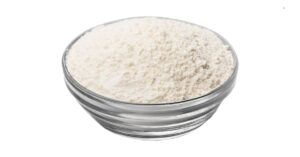
TMG, or Trimethylglycine, is a compound found naturally in foods like beetroot, spinach, and wheat bran. Think of it as a helpful manager inside your cells, overseeing a vital process called methylation.
One of TMG’s key jobs is to help convert homocysteine, an amino acid, into the beneficial amino acid methionine. Keeping homocysteine in check is important because high levels can be a concern for long-term heart health, as noted by the British Heart Foundation.
You can learn more about the compound itself on Wikipedia: Trimethylglycine.
Does TMG Help with High Blood Pressure?
When people ask “does TMG lower blood pressure?”, the answer isn’t a simple yes or no. The link is more indirect than with prescribed medication.
Emerging research suggests that by helping to manage homocysteine levels, TMG may support the health and flexibility of your blood vessels. This improved vascular function can, in theory, contribute to healthier blood pressure. However, it’s crucial to understand that direct clinical trials on TMG for high blood pressure are still limited.
Most evidence positions it as a supportive player for cardiovascular wellness, rather than a direct treatment.
How Much TMG Should You Take for High Blood Pressure?

This is the core question, and the answer requires a careful, individualised approach. Dosing should always be guided by your doctor.
Evidence-Based Dosage Range
Scientific studies have used a wide range of doses. Some homocysteine-lowering trials have used up to 4 grams (4,000 mg) daily.
More common supplemental dosing for general health falls between 500 mg and 3,000 mg per day. My practical advice is to always start at the lower end of this range to see how your body responds.
Recommended Approach for Beginners
If you and your GP decide TMG is appropriate, a sensible starting point is often 1,000–1,500 mg per day. You can split this into two doses, say with breakfast and lunch, to aid absorption and tolerance.
After a week or two, if well-tolerated, some people gradually increase towards 2–3 grams daily. The key is to go low and slow when figuring out how much TMG per day is right for you.
Best Time to Take TMG Supplement
The best time to take a TMG supplement is typically in the morning or early afternoon. Taking it with meals can help if you experience any minor stomach discomfort.
I generally recommend avoiding it too close to bedtime. Some individuals report a mild, energising effect that could potentially disrupt sleep.
Who Should Avoid or Be Cautious with TMG?

While TMG is well-tolerated by many, certain groups should be especially careful. This includes people with pre-existing kidney or liver conditions, pregnant or breastfeeding women, and children.
The most critical caution is for anyone already on blood pressure medication. TMG could potentially enhance the effect of your medication, leading to blood pressure that drops too low. This interaction must be managed by a doctor.
For official guidance on hypertension management, you can refer to the NICE hypertension guidelines.
Side Effects and Safety Considerations
At recommended doses, TMG side effects are usually mild and uncommon. Some people might experience minor digestive issues like bloating, diarrhoea, or nausea.
A small number of users report a temporary headache. In very rare cases involving extremely high doses, there is a theoretical risk of elevating methionine levels too much. This underscores why a conservative, medically-supervised approach is best.
Natural Food Sources of TMG

Before turning to supplements, consider boosting your intake through diet. The most potent sources of TMG are whole foods like beetroot, spinach, quinoa, and wheat bran.
Getting your TMG from food comes with a major bonus. You also benefit from a full spectrum of fibre, vitamins, and antioxidants that work together for better health.
Best TMG Supplement for Blood Pressure (How to Choose)
If you do choose to supplement, quality matters. Look for a product that offers pure TMG (often labelled as anhydrous betaine) in either powder or capsule form.
The best TMG supplement for blood pressure support is one that prioritises purity. Opt for brands that use third-party testing to verify their contents and avoid unnecessary fillers. Quality brands will often adhere to strict UK manufacturing standards.
How Long Does TMG Take to Start Working?

Patience is key. When wondering how long does TMG take to start working, understand that changes aren’t instantaneous. Some people report feeling a subtle difference in energy or well-being within 1-2 weeks.
Research indicates that a noticeable reduction in homocysteine levels may take 4 to 6 weeks of consistent use. Any potential impact on your blood pressure is highly individual and can take longer to become apparent.
To track whether TMG is helping, you can use our Blood Pressure Calculator for accurate weekly readings. It’s a fantastic way to gather objective data for your doctor.
FAQs
Is 1,000 mg of TMG too much?
For most adults, 1,000 mg is a well-tolerated and common starting dose found in many supplements. It sits comfortably within the lower end of the researched range, but always confirm this with your GP.
Is TMG good for high blood pressure?
Early evidence suggests TMG may offer indirect support by promoting healthy homocysteine levels and vascular function. However, it is not a replacement for prescribed blood pressure medication or lifestyle changes.
What is the best supplement for high blood pressure?
There’s no single “best” supplement, as needs vary. Other well-researched options include magnesium glycinate and CoQ10. The NHS emphasises that a balanced diet rich in potassium is fundamental, and any supplement should be discussed with a doctor to ensure safety and appropriateness.
Does TMG interact with blood pressure medication?
Yes, it potentially can. TMG may have a cumulative effect when taken alongside prescription blood pressure drugs. This makes it absolutely essential to have an open conversation with your doctor about TMG and blood pressure medication to avoid any risks.
Conclusion
TMG presents an interesting, naturally-derived option for those looking to support their cardiovascular health from multiple angles. While not a magic bullet, its role in healthy homocysteine metabolism is promising.
The safest path is to start with a low dose, monitor your blood pressure consistently (again, our Blood Pressure Calculator is here to help), and maintain a close dialogue with your healthcare team. Taking control of your health is a journey—make sure you have the right guides by your side.