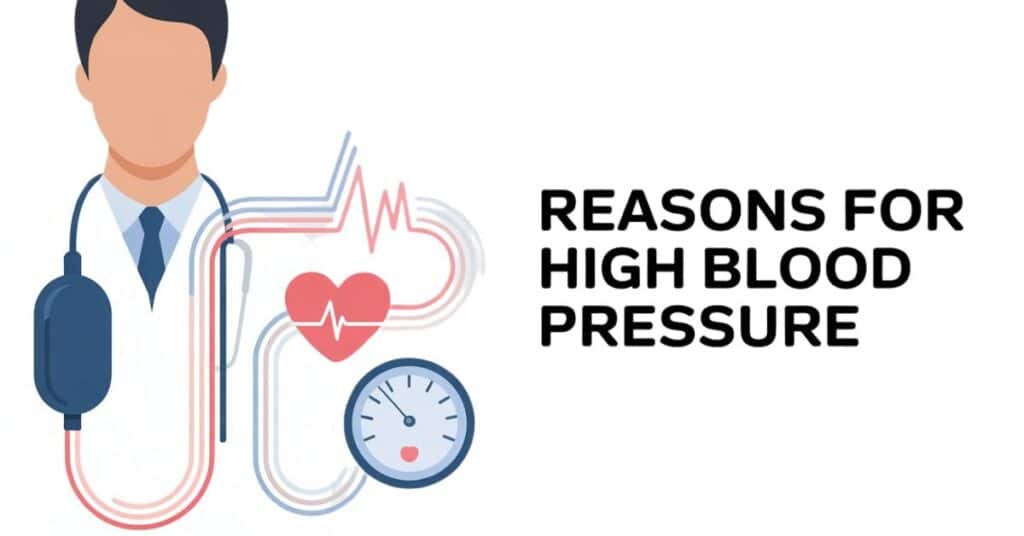
Introduction
High blood pressure, or hypertension, is often called a ‘silent killer’ for a reason. It creeps up without obvious symptoms, quietly straining your heart and damaging blood vessels. But it’s not a mysterious force; it has specific, understandable causes.
Understanding why your blood pressure might be high is the first and most powerful step toward controlling it. In my experience, when people grasp the reasons—from their daily habits to underlying health conditions—they feel empowered, not scared.
This guide will walk you through the full picture, offering clear explanations and practical advice you can use today.
What Is High Blood Pressure? A Simple Explanation

Think of your blood pressure as the force of blood pushing against the walls of your arteries. Your heart pumps blood into these vessels, and they, in turn, resist this flow. High blood pressure occurs when that force is consistently too high.
It’s measured in millimetres of mercury (mmHg) and given as two numbers:
-
Systolic pressure (top number): The pressure when your heart beats.
-
Diastolic pressure (bottom number): The pressure when your heart rests between beats.
A normal reading for most adults is below 120/80 mmHg. Hypertension is typically diagnosed when readings are consistently at 140/90 mmHg or higher. If you’re unsure where you stand, using a blood pressure average calculator can help you understand your numbers over time.
Main Causes of High Blood Pressure
The reasons for high blood pressure are often grouped into two types: Primary (essential) hypertension, which develops gradually over years with no single identifiable cause, and Secondary hypertension, which is caused by an underlying health condition. Let’s break down the key contributors.
Lifestyle Causes
These are the factors within our daily control. They are the most common reasons for high blood pressure.
-
A High-Salt Diet: Excess sodium makes your body retain water. This extra fluid increases blood volume, forcing your heart to work harder. It’s common to notice bloating and a higher reading after a very salty meal.
-
Lack of Physical Activity: A sedentary lifestyle often leads to a higher heart rate. This means your heart must work harder with each contraction, increasing the force on your arteries.
-
Being Overweight or Obese: Excess weight requires more blood to supply oxygen and nutrients. This increases the pressure within your arterial system.
-
Smoking and Vaping: The chemicals in tobacco and vaping products damage your artery walls, causing them to narrow and harden. This instantly spikes your blood pressure.
-
Excessive Alcohol Consumption: Regularly drinking more than the recommended limits can raise your blood pressure over time and also contribute to weight gain.
-
Chronic Stress: While temporary stress causes spikes, constant high stress can lead to unhealthy habits like poor diet, drinking, or smoking, which all contribute to hypertension.
-
Poor Sleep Quality: When you don’t get enough restorative sleep, your body struggles to regulate stress hormones, which can keep your blood pressure elevated.
Medical Conditions
Often, high blood pressure is a symptom of another issue in the body.
-
Kidney Disease: Your kidneys are master regulators of fluid and salt balance. If they are damaged, this system fails, leading to fluid retention and high pressure. We’ll explore this more below.
-
Sleep Apnoea: This condition, where breathing repeatedly stops and starts during sleep, causes sudden drops in blood oxygen. This stresses your cardiovascular system and can lead to hypertension.
-
Diabetes: High blood sugar can damage and harden arteries (a condition called atherosclerosis), narrowing them and increasing pressure.
-
Thyroid and Endocrine Problems: Both an overactive (hyperthyroidism) and underactive (hypothyroidism) thyroid can affect heart rate and blood vessel stiffness, influencing blood pressure.
Medications & Substances
Many common over-the-counter and prescription drugs can affect your numbers.
-
NSAIDs (e.g., Ibuprofen, Naproxen): Frequent use can cause fluid retention and may reduce blood flow to the kidneys.
-
Decongestants (e.g., Pseudoephedrine): These work by constricting blood vessels, which can raise blood pressure.
-
Birth Control Pills: Some oral contraceptives, particularly those containing oestrogen, can cause a slight increase in blood pressure in some women.
-
Steroids (Corticosteroids): Used for conditions like asthma or arthritis, these can lead to fluid and salt retention.
Genetics & Family History
Hypertension often runs in families. If your parents or close relatives have it, your risk is higher. This doesn’t mean it’s inevitable, but it does mean you should be more vigilant with lifestyle choices and monitoring. A guide like Normal Blood Pressure for Children (5–12 Years): An NHS Guide from a Parent Who’s Been There can be helpful if you’re monitoring family risk from a young age.
What Can Cause a Sudden Increase in Blood Pressure?

It’s not always a slow creep. Sometimes, blood pressure can spike suddenly. Common triggers include:
-
Intense Stress or Anxiety: A sudden surge of adrenaline makes your heart pound and blood vessels constrict.
-
Severe Pain: Acute pain triggers a stress response in the body.
-
Dehydration: When you’re dehydrated, your blood becomes more concentrated, and your body releases hormones to conserve water, which can elevate pressure.
-
A High-Salt Meal: As mentioned, this causes rapid fluid retention.
-
Certain OTC Medicines: As listed above, decongestants and NSAIDs are common culprits.
-
Alcohol Binge Drinking: A large amount of alcohol at once is a direct toxin to the blood vessels.
-
Strenuous Physical Exertion: This is normal, but in someone with underlying hypertension, the spike can be more pronounced.
-
Temperature Shock: Entering a very cold environment can cause blood vessels to constrict sharply.
What Causes High Blood Pressure in Young Adults?
Seeing high numbers in your 20s or 30s can be alarming. The causes are often a mix of modern lifestyle factors and underlying issues:
-
High-Stress Lifestyles: Work pressure, financial worries, and constant connectivity create chronic stress.
-
Energy Drink Consumption: These are often loaded with caffeine and sugar, causing significant short-term spikes and long-term strain.
-
Ultra-Processed Diets: Reliance on fast food, takeaways, and ready meals guarantees high salt and unhealthy fat intake.
-
Undiagnosed Kidney or Heart Issues: Sometimes, what seems like early-onset hypertension is actually secondary to another condition.
-
Genetic Predisposition: A strong family history can manifest early, especially if paired with poor lifestyle habits.
What Causes High Blood Pressure in Women?
Women face unique hormonal influences throughout their lives that can affect blood pressure.
-
Birth Control Pills: As mentioned, some women experience an increase.
-
Pregnancy: Blood pressure can fluctuate during pregnancy. Conditions like Gestational Hypertension and Preeclampsia are serious concerns (covered in FAQs).
-
Menopause: The decline in oestrogen, a hormone that helps keep blood vessels flexible, can contribute to rising blood pressure after menopause.
-
Polycystic Ovary Syndrome (PCOS): Women with PCOS have a higher risk of developing insulin resistance and, consequently, hypertension.
The Kidney Connection: Can Kidney Problems Cause High Blood Pressure?
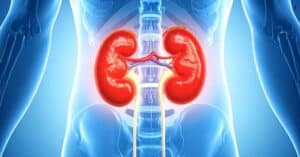
This is a critical relationship. The kidneys and blood pressure are locked in a tight feedback loop. Your kidneys regulate your body’s long-term blood pressure by controlling fluid and salt balance. They do this through a complex system involving hormones like renin.
If kidney arteries narrow or the kidneys are damaged by disease (like diabetic kidney disease), they can mistakenly sense low blood pressure. They then release hormones that tell the body to retain salt and water, which drives pressure up. This is why high blood pressure is both a cause and a consequence of kidney disease. For more detailed information, the experts at Kidney.org are an excellent resource.
How to Reduce High Blood Pressure: Practical Steps
Wondering how to control high blood pressure? It requires a consistent, multi-pronged approach. There are no “3-minute cures,” but there are proven strategies.
-
Adopt the DASH Diet: This eating plan is rich in fruits, vegetables, whole grains, and low-fat dairy. It’s specifically designed to combat hypertension.
-
Move More: Aim for at least 150 minutes of moderate-intensity exercise (like brisk walking, cycling, or swimming) per week.
-
Reduce Sodium Intake: Cook from scratch more often, read food labels, and aim for less than 2,300mg of sodium per day (ideally 1,500mg).
-
Limit Alcohol and Quit Smoking: These are two of the most impactful changes you can make.
-
Manage Stress: Find what works for you—whether it’s mindfulness, yoga, gardening, or spending time with loved ones.
-
Take Medication as Prescribed: If your doctor prescribes medication, take it consistently. It’s a tool, not a failure.
What Is the Best Time to Check Blood Pressure?

Consistency is key. The NHS and other health bodies recommend taking your reading at the same times each day. A good routine is:
-
Morning: Before eating or taking medication, but after using the bathroom. Avoid caffeine and nicotine for 30 minutes prior.
-
Evening: Before dinner or bedtime.
Sit quietly for 5 minutes before you take a reading. Ensure your arm is supported at heart level. If you’re using a 24-hour blood pressure monitor, you might wonder How to Sleep with a 24-Hour Blood Pressure Monitor or even Can You Drive with a 24-Hour Blood Pressure Monitor? The key is to go about your normal day, but avoid strenuous exercise, and simply relax when the cuff inflates. To ensure accuracy, it’s also wise to know How to Calibrate Your Omron Blood Pressure Monitor periodically.
Frequently Asked Questions (FAQs)
What is the main cause of high blood pressure?
For most adults (Primary Hypertension), there’s no single cause. It’s a combination of factors like genetics, ageing, and lifestyle choices (diet, lack of exercise, stress). In about 10% of cases (Secondary Hypertension), it’s caused by a specific condition like kidney disease or sleep apnoea.
How do I bring down my blood pressure quickly?
For a sudden, anxiety-driven spike, sit down and practice deep, slow breathing for 5-10 minutes. However, there is no safe way to “quickly” lower chronic high blood pressure yourself. Long-term control requires consistent lifestyle changes and, if prescribed, medication. If your reading is dangerously high (e.g., 180/120 mmHg or higher), this is a hypertensive crisis—seek immediate medical attention.
What causes blood pressure to suddenly go very high?
Common triggers include acute stress or panic attacks, severe pain, certain medications (like decongestants), a very high-salt meal, excessive caffeine, or excessive alcohol intake.
When to go to the ER for high blood pressure while pregnant?
Go immediately if you have a severe headache, vision changes (blurring or flashing lights), pain just below your ribs, sudden severe swelling in your face, hands, or feet, or if your blood pressure is 140/90 mmHg or higher and you have any of these symptoms.
How high is too high for BP while pregnant?
Any reading of 140/90 mmHg or higher on two separate occasions, at least four hours apart, is considered hypertensive in pregnancy and requires medical evaluation. A reading of 160/110 mmHg or higher requires immediate treatment.
What are four signs to look out for with preeclampsia?
The key signs are: 1) Severe headache that won’t go away, 2) Vision problems, 3) Upper abdominal pain (under your ribs on the right side), and 4) Sudden, significant swelling of the face, hands, or feet.
What triggers preeclampsia?
The exact cause isn’t fully known, but it’s thought to begin with problems in the development of the placenta early in pregnancy. Risk factors include a first pregnancy, a history of preeclampsia, obesity, and pre-existing conditions like high blood pressure or kidney disease.
What is Stage 1 preeclampsia?
This is typically diagnosed when a pregnant woman has blood pressure of 140/90 mmHg or higher on two occasions (at least 4 hours apart) after 20 weeks of pregnancy, along with new-onset protein in her urine or other signs of organ problems.
What is HELLP syndrome?
HELLP syndrome is a severe, life-threatening variant of preeclampsia. It stands for Hemolysis (breakdown of red blood cells), Elevated Liver enzymes, and Low Platelet count. It requires immediate emergency medical care.
What organ is the cause of high blood pressure?
While the heart pumps the blood, the kidneys are the primary long-term regulators of blood pressure. They control fluid and salt balance and release hormones that directly influence blood vessel constriction. Problems with the kidneys are a leading cause of secondary hypertension.
Can kidney problems cause high blood pressure?
Absolutely. Yes. Kidney disease is one of the most common causes of secondary hypertension. Damaged kidneys can’t properly filter fluid and waste, leading to a build-up that increases blood volume and pressure.
What is the best time to check blood pressure?
As outlined above, the best practice is to take it at the same times each day—typically once in the morning before food or medication, and once in the evening. Always rest for 5 minutes in a chair with your back supported and feet flat on the floor before taking a reading.
Disclaimer:
This article is for informational purposes only and does not constitute medical advice. Always consult with a qualified healthcare professional like your GP or a cardiologist for any health concerns or before making changes to your treatment plan. Information was cross-referenced with authoritative sources like the NHS, Mayo Clinic, and Cleveland Clinic.