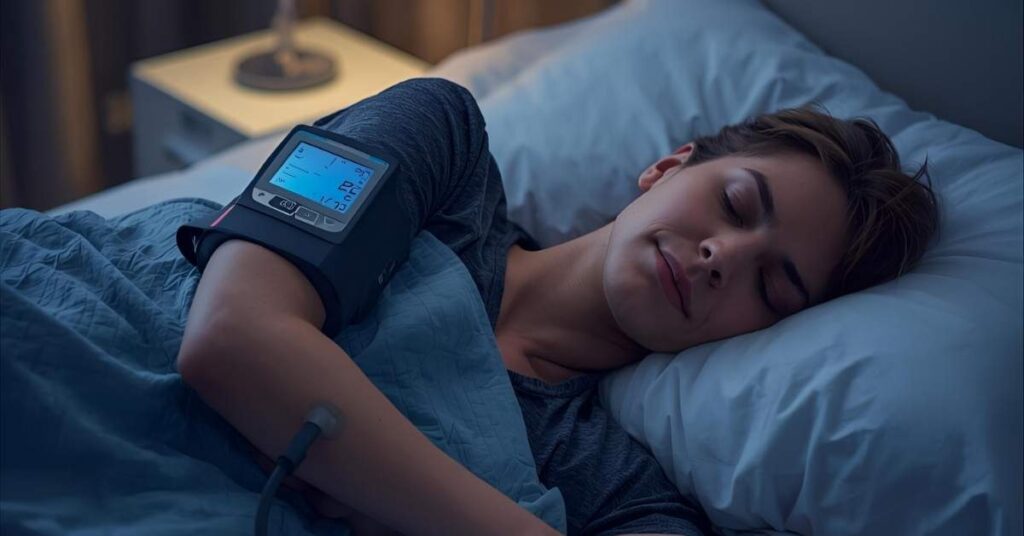
That first beep in the middle of the night can be a jarring experience. If you’re staring down a 24-hour blood pressure test, feeling a mix of anxiety and dread about how you’ll ever get to sleep, you’ve come to the right place.
I’ve been through this process with countless patients as a healthcare content specialist, and I’ve heard all the stories—from the monitor getting tangled in a duvet to the sheer frustration of being woken up just as you’ve drifted off. Let me be frank: sleeping with an ambulatory blood pressure monitor (ABPM) is rarely a perfect, restful night. But with the right preparation and mindset, it is absolutely manageable.
This guide goes beyond the basic instructions. It’s packed with practical, medically sound, and UK-specific advice to help you not just survive the night, but ensure your results are accurate and useful for your doctor.
What is a 24-Hour Blood Pressure Monitor?
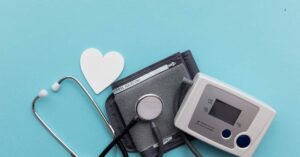
Before we dive into the tips, let’s be clear about what you’re dealing with. A 24-hour blood pressure monitor is a portable, automated device that you wear for a full day and night. It consists of a cuff, similar to the one in your GP’s surgery, connected by a tube to a small digital unit about the size of a portable radio.
Its job is to take readings periodically—typically every 30 minutes during the day and every 60 minutes at night—to build a complete picture of your blood pressure as you go about your normal life, including during sleep.
Why is this so valuable? A one-off reading in a clinic can be misleadingly high due to “white-coat syndrome.” The 24-hour monitor provides a real-world dataset that is far more powerful for diagnosing and managing hypertension.
Why You May Need a 24-Hour Blood Pressure Monitor (ABPM)
Your NHS doctor might recommend this test for several crucial reasons:
-
To Diagnose White-Coat Hypertension: Your BP is high at the clinic but normal elsewhere. I’ve seen patients avoid unnecessary medication thanks to this test.
-
To Identify Masked Hypertension: The opposite problem—your BP is normal at the clinic but high in your everyday environment.
-
To Assess Night-Time “Dipping”: A healthy body’s blood pressure naturally dips by 10-20% during sleep. The absence of this “nocturnal dipping” is a significant risk factor for heart disease that can only be detected with a 24-hour monitor.
-
To Check How Well Your Medication is Working: It shows if your BP is controlled throughout the entire 24-hour period, not just when you’ve recently taken your pills.
The nighttime readings are not an afterthought; they are a critical piece of the puzzle. A successful night with the monitor is essential for an accurate diagnosis.
How Often the Monitor Goes Off at Night

This is one of the biggest concerns. While settings can vary, you can generally expect the cuff to inflate every 30 to 60 minutes throughout the night.
You’ll usually hear a distinct whirring or beeping sound just before it starts to inflate. When it does:
-
Stay Still: Try to keep your body and your cuffed arm as still and relaxed as possible.
-
Keep Your Arm Extended: Let it rest by your side. Don’t bend your elbow or clench your fist.
-
Breathe Normally: Don’t hold your breath. Just breathe slowly and deeply.
Yes, this will likely disrupt your sleep. The key is to accept this beforehand. The awakenings are usually brief, and most people can fall back asleep relatively quickly.
How to Prepare for the Night
A little preparation can dramatically reduce your stress and discomfort. Here’s your game plan:
-
Choose Your Pyjamas Wisely: A loose-fitting, short-sleeved top is ideal. A soft, long-sleeved top made from a stretchy material like cotton jersey can also work, as long as the sleeve is loose enough to not constrict the cuff.
-
Secure the Monitor Device: Use the belt clip to attach the main unit to your waistband or a loose belt. Alternatively, place it in a soft pouch (a small pillowcase works perfectly) and position it on the bed right next to you. This prevents it from dangling and pulling on the tube.
-
Do a Comfort Check: Before you settle in, ensure the cuff is snug but not painfully tight. You should be able to slip one finger underneath it comfortably.
-
Create a Calm Sleep Environment: This is the night to perfect your sleep hygiene. Dim the lights an hour before bed, avoid screens, and ensure your bedroom is cool, dark, and quiet.
Best Sleeping Positions with a 24-Hour BP Monitor
Your sleeping position is crucial for both comfort and accuracy.
-
The Best Position: On your back. This keeps your arm naturally by your side in a perfect position for a reading.
-
The Second-Best Position: Sleeping on the side opposite the cuff. For example, if the cuff is on your left arm, sleep on your right side. Place a pillow in front of you to rest your cuffed arm on, keeping it at heart level.
-
The Position to Avoid: Sleeping directly on the cuffed arm. This will cause inaccurate readings, likely trigger an error, and can be very uncomfortable.
For restless sleepers: Consider building a “pillow fort” around yourself to discourage rolling onto the cuffed arm. I’ve had patients who found this trick to be a game-changer.
Tips to Sleep Better with a 24-Hour BP Monitor
Here are the real-world, practical tips you won’t always find in the manual:
-
Manage the Tubing: Route the tube from the cuff, under your pyjama top, and to the main unit to minimise slack and prevent tangling.
-
The Pillow Pocket Trick: Slip the main monitor unit under your pillow or between the mattress and the headboard. This secures it completely and muffles any operational beeps.
-
Embrace White Noise: A fan, a white noise machine, or a calming music playlist can help mask the sound of the monitor starting up and help you fall back asleep faster.
-
Adjust the Thermostat: A cooler room (around 18°C) is better for sleep and can also prevent you from sweating, which can make the cuff feel clammy and slippery.
-
The Golden Rule: Acceptance: Acknowledge that you will probably wake up. When you do, don’t get frustrated. Just follow the steps (keep arm still, breathe), and once it deflates, gently guide your mind back to sleep.
How to Manage Anxiety While Wearing the Monitor

Feeling anxious is completely normal. Your mind is hyper-aware of the device on your arm. Here’s how to tackle it:
-
Reframe Your Thoughts: Instead of thinking, “This thing is going to ruin my sleep,” try, “This device is collecting vital data to protect my long-term health.” This shifts it from an annoyance to a tool for empowerment.
-
Don’t “Wait” for the Cuff: This is a big one. If you lie there anticipating the next inflation, you’ll never sleep. Focus on your breathing or a calming mental image instead.
-
Practice Simple Breathing: When you feel anxious or when the cuff inflates, try the 4-7-8 technique: Breathe in for 4 seconds, hold for 7 seconds, and exhale slowly for 8 seconds. This actively calms your nervous system.
Common Problems When Sleeping (and How to Fix Them)
| Problem | Solution |
|---|---|
| Cuff is too tight/painful | You can carefully loosen it slightly. It should be snug, not a tourniquet. If it’s causing significant pain, contact your clinic in the morning. |
| Skin irritation or itching | This is common. Try not to scratch directly under the cuff. When you remove it the next day, the skin should return to normal. |
| Monitor slipping down arm | Re-secure the cuff according to the initial instructions. Wearing it over a very thin, smooth layer of clothing can sometimes help with grip, but check with your nurse first. |
| Tubing pulling or tangling | Re-route the tube under your clothes to limit its movement. |
| Waking up too often | This is frustrating but normal. The tips on white noise and mental acceptance are your best defence. |
| Error messages appear | Note them down. A few errors are expected, especially if you were moving. If it happens consistently, inform the technician when you return the device. |
| Feeling claustrophobic or panicked | If you feel a panic attack coming on, sit up, focus on your breathing, and remember you are in control. If absolutely necessary, you can detach the tube from the machine to stop the cycle, but note the time and inform your doctor. |
Rules for Wearing a 24-Hour Blood Pressure Monitor (NHS Guidance)

Follow these rules closely to ensure valid results. Think of them as the guardrails for your test’s accuracy.
-
Do NOT remove the cuff unless you are instructed to do so.
-
You cannot shower or bathe with the monitor on. Hot Tubs and High Blood Pressure: What You Need to Know
-
Avoid heavy exercise and activities that cause excessive sweating.
-
Do not touch the buttons or interfere with the device while it’s taking a reading.
-
Keep your arm still and relaxed during each measurement.
-
Keep the monitor at heart level – don’t let it dangle at your ankle.
-
Keep a diary if you were given one, noting activities, sleep times, and any symptoms.
Can You Take the Monitor Off to Shower?
No. The device is not waterproof, and removing it for a shower voids the 24-hour data collection. You will have to go without a shower for one day. If you need to remove it for a genuine emergency, you must note the time and inform your clinician immediately afterwards so they can account for the gap in data.
What to Expect After the 24 Hours
Once the 24 hours are up, you’ll simply return the device to your GP surgery or hospital as instructed. The data will be downloaded and analysed.
Your doctor will look at several key averages: your overall BP, your daytime average, your night-time average, and the degree of your “nocturnal dip.” This comprehensive picture allows them to make a precise diagnosis or fine-tune your medication. You can learn more about How to Work Out Average Blood Pressure here.
Frequently Asked Questions (FAQs)
Is it hard to sleep with a 24-hour blood pressure monitor?
It’s challenging, but not impossible. Almost everyone experiences some sleep disruption. The goal isn’t a perfect 8 hours; it’s to get enough sleep for the results to be valid. Using the tips in this guide will significantly improve your experience.
What are the side effects of a 24-hour blood pressure monitor?
Side effects are generally minor and temporary. They can include: mild skin irritation or redness under the cuff, temporary pins and needles, and sleep disruption.
How to sleep with a 24-hour blood pressure monitor (NHS)?
The NHS advises keeping your arm still during readings and trying to go about your normal activities, including sleep. The practical tips in this article, such as choosing the right sleeping position and securing the device, fully align with and expand upon this core NHS advice.
Can I take off my 24-hour blood pressure monitor to shower?
No. The monitor is not waterproof, and removing it will interrupt the crucial 24-hour data collection that your doctor needs.
Will broken sleep affect my results?
The monitor is designed to account for this. While very broken sleep can cause slightly higher averages, the overall data pattern is still extremely valuable. Your doctor will interpret the results in the context of your activity diary.
What if the cuff inflates while I’m turning over?
Don’t worry. Just stop moving, relax your arm, and let it finish. A single reading that’s off due to movement will not ruin the entire test. The overall trend is what matters.
Real-Life Tips from Patients
Here’s some collective wisdom from online forums and patient communities:
-
“I used a tiny piece of gentle medical tape (like micropore) to secure the loose end of the cuff so it wouldn’t flap.”
-
“Sleeping with the main unit inside a pillowcase next to me stopped it from moving and muffled the sound.”
-
“Wearing a soft, long-sleeved cotton top over the cuff prevented the Velcro from catching on my sheets and my skin from getting irritated.”
-
“The first two readings woke me up, but after that, I was so tired I barely noticed. Your body adapts.“
When to Contact Your Doctor
While minor discomfort is normal, contact your GP surgery or the department that fitted the monitor if you experience:
-
Severe pain, numbness, or a cold, blueish colour in your hand.
-
Significant skin blistering or a severe rash under the cuff.
-
The device malfunctions (e.g., it stops working entirely, the cuff inflates and doesn’t stop).
-
You have a panic attack that you cannot manage.
-
The cuff falls off completely and you cannot reattach it properly.
Conclusion
Look, it’s going to be a long 24 hours. There’s no point sugar-coating it. But by focusing on the goal—a clear diagnosis and a effective treatment plan—you can get through it.
Prioritise the accuracy of the test over a single night of perfect sleep. The data collected while you (perhaps fitfully) doze is some of the most valuable information your doctor can get. It’s one night for a result that could benefit your health for decades to come.
For more information on managing your blood pressure, explore our guide on using a Blood Pressure Average Calculator or check the rules on Can You Drive with a 24-Hour Blood Pressure Monitor?.
External Resources for Further Reading: