
Managing high blood sugar can feel overwhelming—especially if you’re newly diagnosed with prediabetes or type 2 diabetes. The good news? You don’t need a complicated diet or expensive superfoods to get started. With the right food choices and a simple plan, you can stabilize blood sugar, improve energy levels, and protect your long-term health.
This beginner-friendly 7-day high blood sugar diet plan will help you understand what to eat, what to avoid, and how to build balanced meals without stress.
Understanding High Blood Sugar
High blood sugar (hyperglycemia) happens when there is too much glucose in your bloodstream. Over time, consistently high blood sugar can increase the risk of heart disease, nerve damage, kidney problems, and vision issues.
The main causes include:
-
Insulin resistance
-
Poor dietary habits
-
Lack of physical activity
-
Stress
-
Certain medications
The goal of a blood sugar-friendly diet is simple: keep glucose levels stable throughout the day by balancing carbohydrates, protein, healthy fats, and fiber.
Day 1 – Start Strong with Balanced Energy
Breakfast:
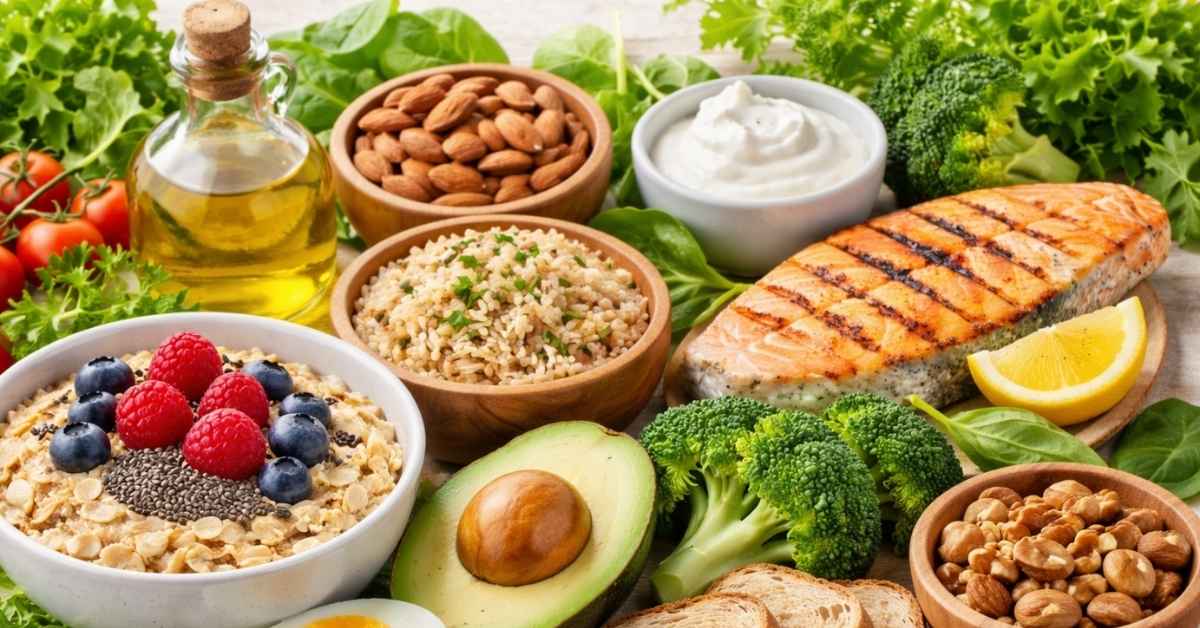
Oatmeal topped with chia seeds and blueberries + boiled egg
Snack:
Small apple with 10 almonds
Lunch:
Grilled chicken salad (spinach, cucumber, tomatoes, olive oil dressing)
Snack:
Unsweetened Greek yogurt
Dinner:
Baked salmon + steamed broccoli + small portion of brown rice
Starting your week with fiber and protein helps prevent sudden blood sugar spikes. The oatmeal and chia seeds release energy slowly, while eggs and salmon provide protein to keep you full longer. By the end of the day, you’ll likely notice steadier energy and fewer cravings. This is how balanced eating should feel — satisfying, not restrictive.
Day 2 – Build Stability with Smart Carbs
Breakfast:
Vegetable omelet (spinach, onions, peppers) + 1 slice whole grain toast
Snack:
Handful of walnuts
Lunch:
Lentil soup + side salad
Snack:
Carrot sticks with hummus
Dinner:
Grilled tofu or chicken + roasted zucchini + quinoa
Today you’re focusing on complex carbohydrates that digest slowly. Lentils and quinoa give you steady fuel without sharp glucose spikes. Pairing them with protein and healthy fats helps your body process carbs more efficiently. You’ll stay full longer and avoid that mid-afternoon energy crash.
Day 3 – Lower Carbs, Higher Control
Breakfast:
Smoothie (unsweetened almond milk, spinach, peanut butter, half banana, protein powder)
Snack:
Boiled egg
Lunch:
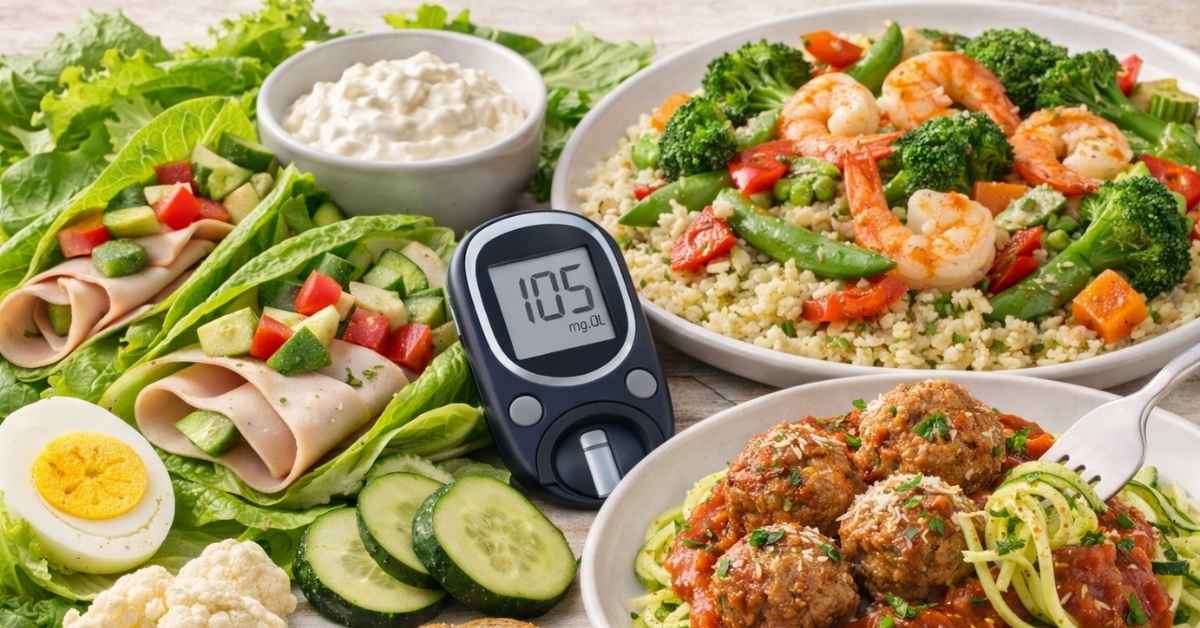
Turkey lettuce wraps + cucumber slices
Snack:
Cottage cheese
Dinner:
Stir-fried vegetables + shrimp + cauliflower rice
This day slightly reduces carbohydrate intake to give your body a break. Swapping regular rice for cauliflower rice and bread for lettuce wraps lowers the overall glycemic load. Protein-rich meals help control hunger and stabilize blood sugar throughout the day. If you’ve been feeling bloated or sluggish, this lighter day may feel refreshing.
Day 4 – Nourish with Fiber and Antioxidants
Breakfast:
Greek yogurt + flaxseeds + strawberries
Snack:
Small pear
Lunch:
Chickpea salad with olive oil and lemon
Snack:
Handful of pistachios
Dinner:
Grilled fish + asparagus + small sweet potato
Today’s meals are rich in fiber and antioxidants. Berries and leafy vegetables help reduce inflammation, while sweet potatoes provide steady, controlled energy. Healthy fats from olive oil and nuts support heart health — which is especially important when managing high blood sugar. You’re not just controlling glucose; you’re protecting your long-term health.
Day 5 – Focus on Healthy Fats for Stability
Breakfast:
Scrambled eggs + avocado slices
Snack:
Celery sticks with peanut butter
Lunch:
Quinoa bowl with black beans, grilled vegetables, and grilled chicken
Snack:
Handful of mixed nuts
Dinner:
Baked chicken breast + green beans + brown rice
Healthy fats play a big role in slowing digestion and preventing blood sugar spikes. Avocado, nuts, and seeds help keep meals satisfying and reduce cravings. Combining fiber-rich beans with lean protein gives you balanced nutrition that supports stable glucose levels all day long.
Day 6 – Smart Pairing for Better Blood Sugar
Breakfast:
Overnight oats (oats, chia seeds, almond milk, cinnamon)
Snack:
Greek yogurt
Lunch:
Spinach salad with boiled eggs and cherry tomatoes
Snack:
Apple slices with almond butter
Dinner:
Turkey meatballs + zucchini noodles + tomato sauce
Today highlights the importance of food pairing. Notice how fruit is combined with protein or healthy fat — like apple with almond butter. This slows sugar absorption and prevents spikes. Replacing traditional pasta with zucchini noodles also lowers carbohydrate intake while keeping meals satisfying.
Day 7 – Keep It Light and Consistent
Breakfast:
Protein smoothie bowl (berries, seeds, unsweetened yogurt)
Snack:
Handful of almonds
Lunch:
Grilled salmon salad
Snack:
Cottage cheese with cucumber
Dinner:
Vegetable stir-fry + tofu + small portion of brown rice
By now, your body is adjusting to balanced eating. This final day reinforces the habits you’ve built — lean proteins, fiber-rich vegetables, and controlled portions of whole grains. Keeping meals simple and consistent makes long-term success much easier. The goal isn’t perfection — it’s sustainability.
Foods to Avoid with High Blood Sugar
To control blood sugar effectively, reduce or avoid:
-
Sugary drinks (soda, energy drinks, sweetened tea)
-
White bread and refined flour products
-
Candy and sweets
-
Processed snacks
-
Fried foods
-
Sugary breakfast cereals
-
Fruit juices (even 100% juice)
These foods cause rapid blood sugar spikes and crashes.
Best Foods to Include Daily
Here’s a quick checklist:
✔ Leafy greens
✔ Lean proteins
✔ Whole grains (in moderation)
✔ Nuts and seeds
✔ Low-glycemic fruits (berries, apples, pears)
✔ Healthy oils (olive oil, avocado oil)
Tips to Make This Plan Work
1. Stay Hydrated
Drink plenty of water. Dehydration can increase blood sugar levels.
2. Eat at Regular Times
Skipping meals can lead to blood sugar swings. Try to eat every 3–4 hours.
3. Monitor Your Blood Sugar
Track how different foods affect you. Everyone responds differently.
4. Limit Late-Night Eating
Eating heavy meals late at night may cause elevated morning blood sugar levels.
5. Combine Diet with Exercise
Even 30 minutes of walking daily improves insulin sensitivity.
Sample Grocery List for the Week
Proteins:
-
Eggs
-
Chicken breast
-
Salmon
-
Tofu
-
Greek yogurt
-
Turkey
-
Lentils
-
Chickpeas
Vegetables:
-
Spinach
-
Broccoli
-
Zucchini
-
Carrots
-
Green beans
-
Asparagus
-
Peppers
-
Cucumbers
Fruits:
-
Blueberries
-
Strawberries
-
Apples
-
Pears
Whole Grains:
-
Brown rice
-
Quinoa
-
Oats
-
Whole grain bread
Healthy Fats:
-
Almonds
-
Walnuts
-
Chia seeds
-
Flaxseeds
-
Olive oil
-
Avocados
Common Beginner Mistakes to Avoid
❌ Cutting All Carbs Completely
Carbohydrates are not the enemy. The type and portion size matter more.
❌ Relying on “Diabetic” Packaged Foods
Many processed “diabetic-friendly” foods contain hidden sugars.
❌ Ignoring Hidden Sugars
Check labels for:
-
Corn syrup
-
Dextrose
-
Maltose
-
Sucrose
❌ Eating Too Little
Undereating can cause energy crashes and poor nutrition.
When to See a Doctor
If you experience:
-
Frequent urination
-
Excessive thirst
-
Blurry vision
-
Unexplained weight loss
-
Blood sugar consistently above recommended levels
Consult your healthcare provider. Diet helps significantly, but some people may also need medication or insulin.
Final Thoughts
Managing high blood sugar doesn’t require a perfect diet—just a consistent one. Focus on balanced meals, fiber-rich foods, lean proteins, and healthy fats. This 7-day beginner plan is designed to simplify your journey and build healthy habits step by step.
Start small. Stay consistent. Track your progress. With time, these simple changes can lead to better blood sugar control, improved energy, and long-term health benefits.
If you stick to these foundational principles, you’ll not only manage high blood sugar—you’ll build a sustainable lifestyle that supports overall wellness.