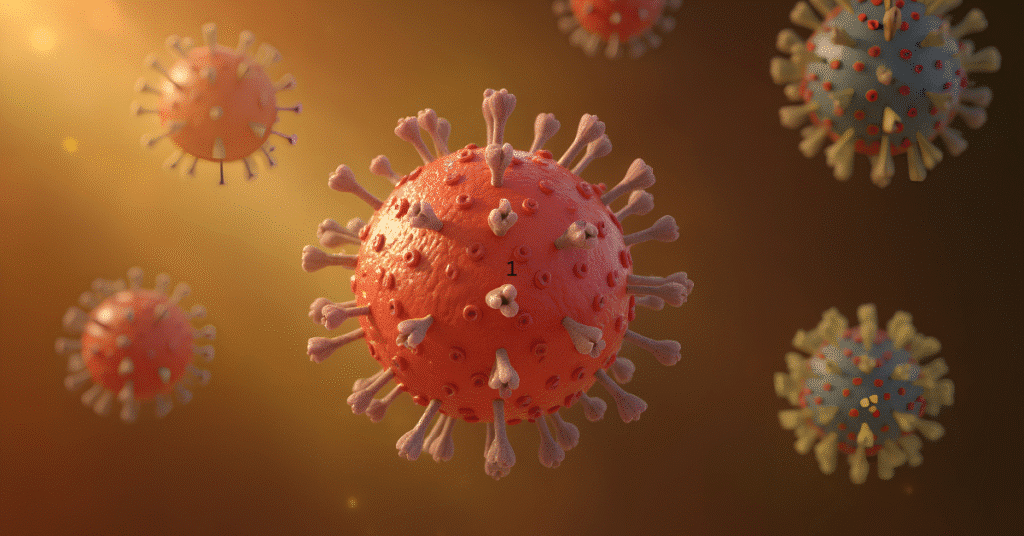
A new COVID variant, BA.3.2, is drawing global attention in 2026 as scientists confirm its immune escape potential and growing international presence. According to recent findings from researchers and CDC-linked data, this new COVID variant has already been detected in the United States and more than 20 other countries, raising concerns about how COVID continues to evolve.
While the pandemic phase has eased, COVID is far from over, and BA.3.2 highlights how the virus is still adapting in ways that could affect immunity and future outbreaks.
🌍 Global Spread of COVID Variant BA.3.2
The covid variant BA 3.2 has been identified across multiple continents, including North America, Europe, and parts of Asia. Surveillance data shows it has appeared in:
- Clinical samples from infected patients
- Travelers entering the United States
- Wastewater monitoring systems across several regions
Experts warn that the actual spread may be underreported due to limited genomic testing in many countries.
In some European nations, the variant briefly accounted for a significant share of cases, suggesting it has the ability to compete with other circulating strains.
🧬 Why This New COVID Variant Matters
What makes new COVID variant 2026 (BA.3.2) concerning is its high number of mutations, especially in the spike protein.
- It carries 70+ spike mutations, making it highly distinct from earlier strains
- It shows reduced neutralization by antibodies, meaning prior immunity may be less effective
This phenomenon is known as immune escape, where the virus partially bypasses protection from vaccines or past infections.
However, early assessments suggest vaccines may still protect against severe illness, even if infection risk increases.
🤒 New COVID Variant Symptoms (2026)
So far, the new COVID variant symptoms linked to BA.3.2 appear similar to recent Omicron strains.
Common covid symptoms 2026 include:
- Mild fever
- Sore throat
- Runny nose or congestion
- Fatigue
- Headache
- Cough
Health experts say the symptoms are generally mild and cold-like, making it difficult to distinguish from other respiratory infections.
There is no strong evidence yet that BA.3.2 causes more severe disease compared to earlier variants.
🧪 CDC Perspective on BA.3.2
The CDC continues to monitor covid variant BA 3.2 through genomic surveillance programs.
Key CDC insights include:
- The variant shows enhanced immune escape in lab studies
- It is still not dominant in the United States
- Ongoing tracking is essential to detect any future surge
The CDC emphasizes that new variants often emerge quietly through wastewater detection before spreading widely.
⚠️ Should You Be Worried?
At present, experts say the new COVID variant BA.3.2 does not pose a major immediate threat, but it should not be ignored.
Important points:
- No evidence yet of increased hospitalizations or deaths
- Spread remains relatively limited in most regions
- The biggest risk may be public complacency, not the variant itself
🔍 The Bigger Picture: COVID Is Still Evolving
The emergence of BA.3.2 reinforces a key reality:
👉 COVID continues to mutate, even in 2026
Variants like BA.3.2 show how the virus adapts to immune pressure, which can lead to:
- Reinfections
- Seasonal outbreaks
- Continued need for surveillance
🧾 Final Thoughts
The covid variant BA 3.2 is a reminder that while the world has moved on from the peak of the pandemic, new COVID variants are still emerging.
For now, the variant appears manageable, but its immune escape ability means scientists and health agencies must stay alert.
Staying informed, maintaining basic hygiene, and following updated health guidance remain the best ways to deal with COVID in 2026.