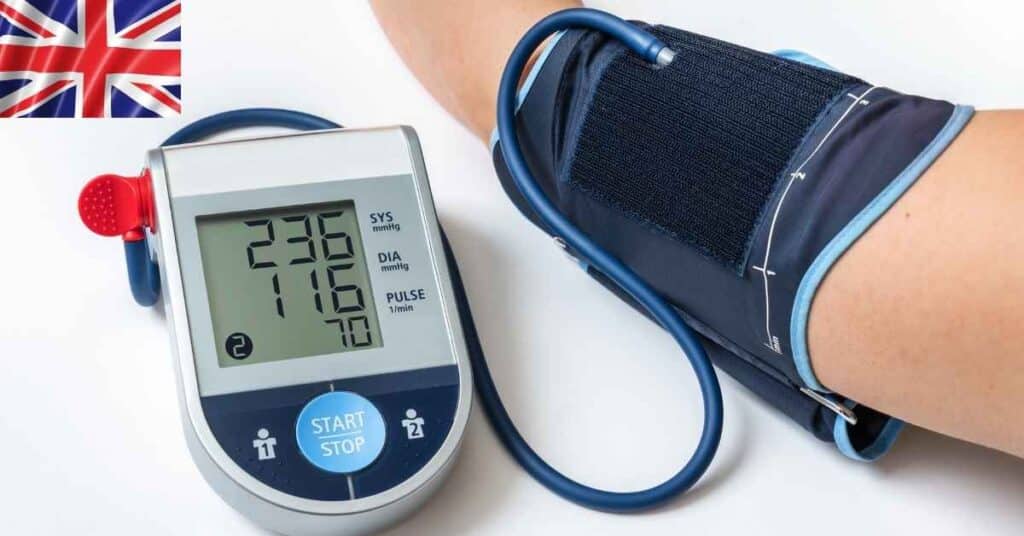
Choosing the right home blood pressure monitor is a critical step in managing your cardiovascular health. With so many devices on the market, it’s easy to feel overwhelmed. This definitive guide cuts through the noise. We’ll show you how to select a clinically accurate, easy-to-use monitor trusted by UK medical professionals, explain why validation is non-negotiable, and provide a clear shortlist of top-performing models.
Why You Can’t Trust Just Any Monitor: The Critical Importance of BIHS Validation

When you check your blood pressure, you need to trust the numbers you see. The single most important factor in choosing a monitor is clinical validation. In the UK and Ireland, the gold standard for this is the British and Irish Hypertension Society (BIHS). A BIHS-approved device has undergone and passed rigorous, independent testing to prove its accuracy.
Many general retailers sell monitors that lack this validation. Using an unvalidated device is risky; it could provide falsely high readings (leading to unnecessary anxiety and medication) or, more dangerously, falsely low readings, masking hypertension. The NHS, the British Heart Foundation (BHF), and leading cardiologists consistently recommend choosing a BIHS-validated device. The NHS explicitly advises: “To make sure your monitor is accurate, choose one that has been listed as validated for accuracy by the British and Irish Hypertension Society (BIHS).”
Key Takeaway: Before considering price or features, check the BIHS website or the manufacturer’s documentation to confirm the specific model is listed as validated. This is your guarantee of accuracy.
Step-by-Step Guide to Choosing Your Perfect Monitor

1. Upper-Arm vs. Wrist Monitors: Which is Best?
For the vast majority of people, an upper-arm monitor is the recommended choice. These devices measure blood pressure at the brachial artery, which is level with the heart, providing the most reliable and consistent readings. They are the preferred type for healthcare professionals.
Wrist monitors are more portable and can be a good alternative only if:
-
You have a very large upper arm where finding a correctly sized cuff is difficult.
-
You use it correctly: the wrist must be held at heart level during measurement, a technique that is easy to get wrong and leads to inaccurate readings.
2. Getting the Fit Right: Your Cuff Size is Crucial
A poorly fitting cuff is a leading cause of inaccurate home readings. Measure the circumference of your bare upper arm, midway between your elbow and shoulder.
-
Standard Cuff: Fits arms 22-32 cm.
-
Large Cuff: Fits arms 32-42 cm.
-
Extra-Large Cuff: For arms larger than 42 cm (available for specific models).
If you are on the cusp of two sizes, opt for the larger cuff. Retailers like the British Heart Foundation provide sizing guides, and many models offer different cuff options.
3. Features to Consider: From Essentials to Convenience
-
Memory & Averages: Look for a device that stores readings for multiple users and calculates the average of your last 3 readings. Tracking trends is more valuable than single measurements.
-
Bluetooth & Apps: Connected devices (e.g., Omron Intelli IT series) sync with smartphone apps. This makes it easy to track your history, spot trends, and seamlessly share data with your GP. As noted by the BHF, these are excellent for organisation but often come at a premium.
-
Atrial Fibrillation (AFib) Detection: Some advanced models (like the Omron M7 Intelli IT) can detect irregular heartbeats suggestive of AFib, a significant risk factor for stroke.
-
Ease of Use: Consider a large, clear display and simple one-button operation, especially if you have dexterity or vision concerns.
Top BIHS-Validated Monitor Brands & Models for 2026
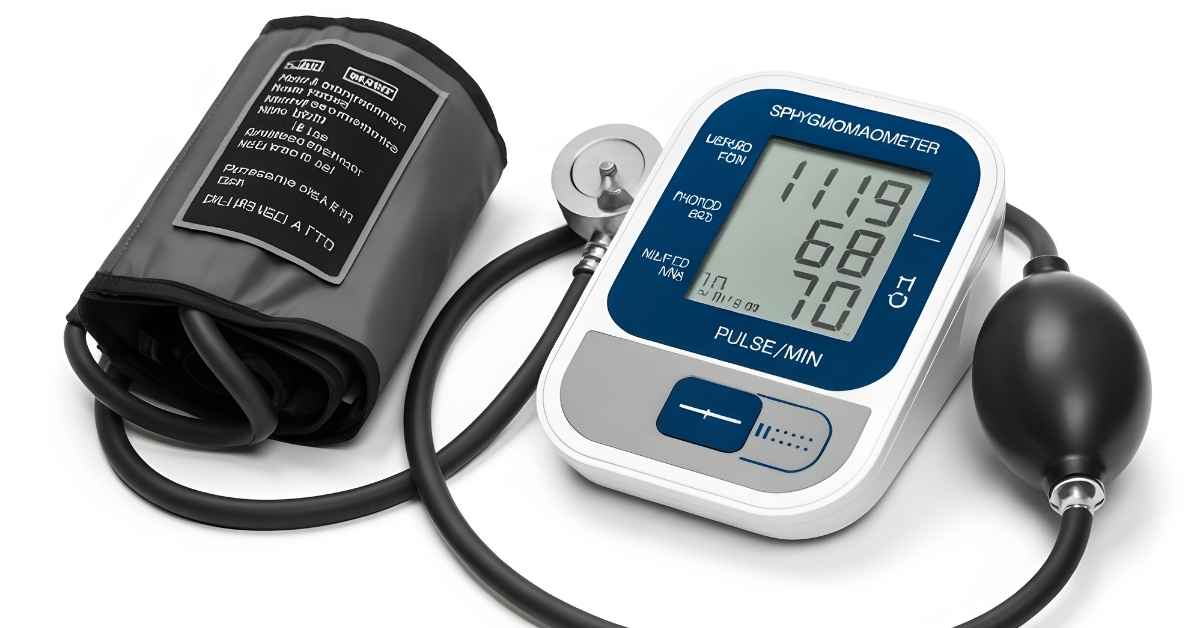
Based on the latest BIHS protocol list and clinical trust, these brands lead the UK market. Always purchase from a reputable retailer like the British Heart Foundation shop, a pharmacy, or the manufacturer directly to avoid counterfeit goods.
| Brand | Recommended Model | Key Features & Best For |
|---|---|---|
| Omron | M2 Intelli IT / M3 Comfort | Best All-Rounder. Reliable, app-connected (M2 IT) or simple (M3), wide cuff range. Trusted by the BHF. |
| Microlife | WatchBP Home A / B2 Basic | Clinical Grade Accuracy. Often used in studies. Excellent basic (B2) or advanced (Home A) options. |
| A&D Medical | UA-611 / UA-767S-W | Excellent Value. Simple, accurate, and reliable. A cost-effective way to get a BIHS-validated device. |
| Kinetik | TMB-1970 / TMB-2080 | Good Budget Range. BIHS-validated models that offer core features at a competitive price. |
A Note on the NHS and Monitor Recommendations
The NHS does not recommend or endorse specific commercial brands. Instead, it provides the crucial guidance to select a BIHS-validated device. Some NHS trusts may loan or prescribe monitors to patients as part of initiatives like the Blood Pressure @home programme, which has distributed over 220,000 monitors across England to enable remote patient monitoring.
How to Take an Accurate Blood Pressure Reading
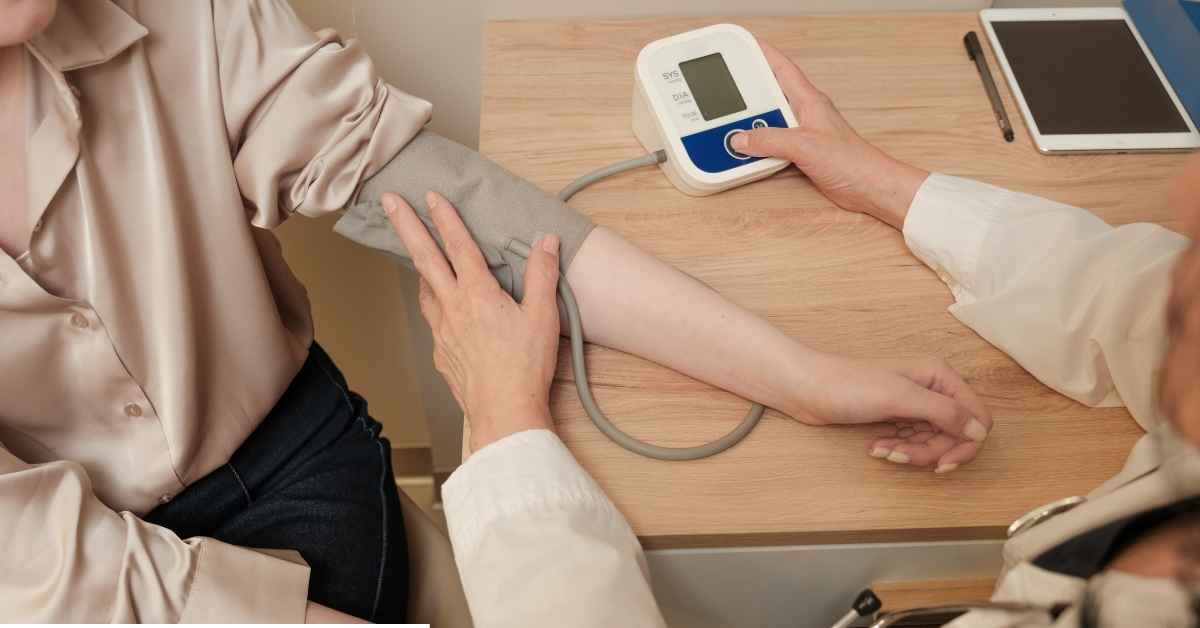
Even the best monitor will give poor data if used incorrectly. Follow this clinical protocol:
-
Prepare: Avoid caffeine, exercise, and smoking for 30 minutes beforehand. Sit quietly for 5 minutes.
-
Position: Sit in a chair with your back supported and feet flat on the floor. Rest your arm on a table so the cuff is level with your heart.
-
Measure: Place the cuff on your bare arm as per the instructions. Take two readings, 1-2 minutes apart, every morning and evening for consistent tracking. Record both numbers.
Monitoring trends is essential. Use tools like a simple diary or our dedicated blood pressure average calculator to understand your true readings over time, smoothing out natural daily fluctuations.
FAQ: Your Blood Pressure Monitoring Questions Answered

Which blood pressure monitor does the NHS recommend?
The NHS does not recommend specific brands. Its official guidance is to select a monitor that has been validated for clinical accuracy by the British and Irish Hypertension Society (BIHS). Purchasing a device from the BIHS-approved list is the best way to ensure reliability.
What is the most accurate blood pressure monitor for home use in the UK?
The most accurate monitors are BIHS-validated upper-arm devices. Brands like Omron, Microlife, and A&D Medical are consistently trusted by healthcare professionals. Accuracy depends more on clinical validation and correct usage than on price.
What do doctors recommend for a blood pressure monitor?
Doctors overwhelmingly recommend BIHS-validated, upper-arm monitors. They prioritise proven accuracy and often suggest models with clear displays and simple operation to minimise user error. Many clinicians favour established brands used in clinical settings.
Which blood pressure monitor do cardiologists recommend?
Cardiologists recommend the same standards as GPs: BIHS-validated devices. They may specifically suggest models with Atrial Fibrillation (AFib) detection capabilities (like some Omron models) for patients at higher cardiovascular risk, as this feature can provide crucial early warnings.
Why is my blood pressure higher at the doctor’s office than at home?
This common phenomenon is called “white coat hypertension.” Anxiety or stress in a clinical setting can cause a temporary spike. This highlights the value of home monitoring, which often provides a more accurate picture of your typical blood pressure in a relaxed environment.
What time of day is BP highest?
Blood pressure typically follows a daily rhythm (circadian variation), peaking in the mid-morning hours (around 9-10 AM) and often showing a second, smaller rise in the late afternoon. It is usually lowest during sleep.
How to lower your blood pressure before you go to the doctor’s office?
Avoid quick fixes, which can mask important readings. Instead, practise slow, deep breathing for 5-10 minutes in the waiting room. Arrive early to sit quietly and avoid discussing stressful topics. Inform your doctor if you feel anxious, as they will interpret your readings in context.
What is the ideal blood pressure for seniors?
For most healthy seniors aged 65-80, the treatment target is generally below 140/90 mmHg. For those over 80, it’s often below 150/90 mmHg. However, targets are personalised based on overall health and frailty, so your GP will set an appropriate goal for you.
Can drinking lots of water lower blood pressure?
While chronic, mild dehydration can affect blood pressure, drinking excessive water at once is not a treatment. Long-term, maintaining good hydration supports overall health. The most effective strategies are reducing sodium intake, regular exercise, and maintaining a healthy weight.
What is stroke level blood pressure?
A hypertensive crisis—requiring immediate medical attention—is typically defined as a reading higher than 180/120 mmHg. If you get this reading, sit quietly and re-check after 5 minutes. If it remains this high, especially with symptoms like chest pain, headache, or shortness of breath, seek urgent medical help.
What is the best time to check blood pressure?
The ideal schedule is to take readings twice daily: once in the morning before food, caffeine, or medication, and once in the evening before bed. Consistency in timing provides the most useful comparative data for you and your doctor.
How are high blood pressure and diabetes connected? (Derived from internal link suggestion)
Type 2 diabetes and hypertension are closely linked conditions that often coexist, significantly increasing the risk of heart attack and stroke. They share common pathways, including insulin resistance. Managing one condition effectively often helps manage the other. For a detailed explanation, read our article: Does High Blood Pressure and Diabetes Go Hand in Hand?.
Disclaimer: This article is for informational purposes only and does not constitute medical advice. Always consult your GP or a qualified healthcare professional for diagnosis and personalised advice on managing your blood pressure.