Do you ever feel lightheaded when standing up too quickly? Or perhaps you’ve experienced that sudden wave of dizziness, fatigue, or brain fog that makes even a simple afternoon feel exhausting?
If you’re living with low blood pressure—medically known as hypotension—you’re not alone. While much of the conversation around heart health focuses on hypertension, managing low blood pressure is equally important for maintaining energy, focus, and overall wellness.
The good news? Small changes in the kitchen can make a big difference. A well-planned diet, rich in specific nutrients, can help stabilise your readings and keep you feeling steady throughout the day.
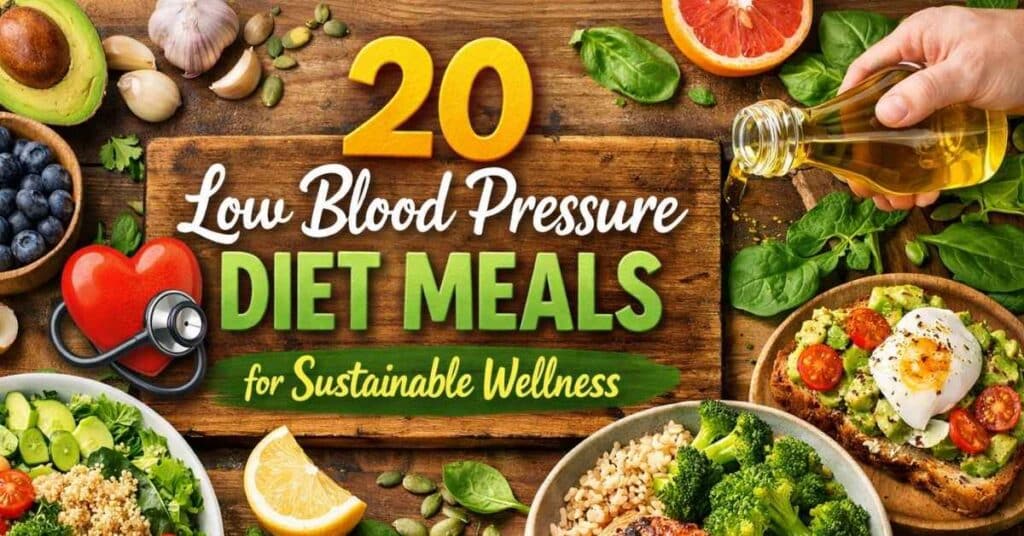
Welcome to your complete guide to 20 low blood pressure diet meals for sustainable wellness. Whether you’re newly diagnosed, supporting a loved one, or simply looking for nourishing meal ideas that support steady circulation, this article is for you.
Let’s explore how simple, flavour-packed meals can help you feel more balanced—starting today.
Understanding Low Blood Pressure and Why Diet Matters
Before we dive into the recipes, let’s take a moment to understand what low blood pressure actually means.
Blood pressure is measured in millimetres of mercury (mmHg) and recorded as two numbers:
-
Systolic pressure: The pressure when your heart beats.
-
Diastolic pressure: The pressure when your heart rests between beats.
A reading below 90/60 mmHg is generally considered low. While some people naturally run on the lower side without symptoms, others experience dizziness, fainting, dehydration, and lack of concentration.
This is where a targeted diet comes in. Unlike high blood pressure, which often requires reducing sodium, low blood pressure may benefit from increasing fluids, salt, and specific nutrients like B12, folate, and iron.
But it’s not just about adding salt. It’s about choosing whole foods that nourish your body, sustain your energy, and support long-term wellness.
That’s the philosophy behind these 20 low blood pressure diet meals for sustainable wellness—real food, real flavour, real balance.
How to Build a Low Blood Pressure Plate
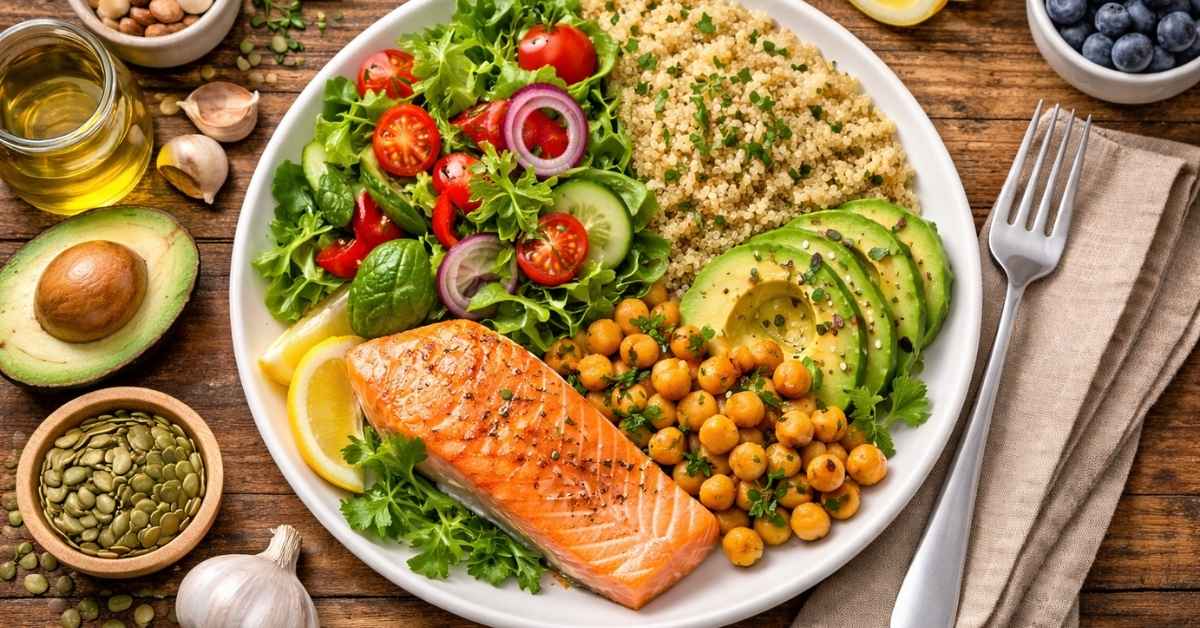
Before we jump into the meals, here’s a quick framework to keep in mind when planning your own dishes:
1. Include adequate salt
While the general population is advised to limit sodium, those with hypotension may need slightly more. Think sea salt, olives, salted nuts, and broths.
2. Stay hydrated
Dehydration is a common trigger for low blood pressure. Water, herbal teas, and water-rich foods like cucumber and melon are excellent choices.
3. Prioritise B12 and folate
Deficiencies in these vitamins are linked to anaemia, which can lower blood pressure. Eggs, dairy, leafy greens, and fortified cereals are your friends.
4. Eat small, frequent meals
Large meals can cause a sudden drop in blood pressure—a condition called postprandial hypotension. Smaller, more frequent meals help maintain steady energy.
Now, let’s get cooking.
20 Low Blood Pressure Diet Meals for Sustainable Wellness
Breakfast Meals
1. Smashed Avocado and Poached Eggs on Sourdough
A classic for good reason. Avocado provides healthy fats, while eggs are rich in B12. Sprinkle with sea salt flakes and a pinch of chilli for flavour and circulation support.
Tip: Add a handful of rocket on the side for folate.
2. Porridge with Salted Almond Butter and Banana
Warming, filling, and gentle on the stomach. Oats provide slow-release energy, and salted almond butter adds both sodium and protein.
3. Spinach and Feta Omelette
Iron-rich spinach meets salty, tangy feta. Eggs provide B12, and this meal comes together in under 10 minutes.
Looking for more morning inspiration? Check out our post on 21 Healthy Breakfast Ideas for High Blood Pressure: Start Your Day Right—many of these recipes can be adapted to suit low BP needs too.
4. Smoked Salmon and Cream Cheese Bagel
Smoked salmon is naturally higher in sodium and packed with omega-3s. Pair with full-fat cream cheese on a wholemeal bagel for staying power.
5. Berry and Spinach Smoothie Bowl
Blend spinach, frozen berries, Greek yoghurt, and a splash of milk. Top with pumpkin seeds and a pinch of salt. Refreshing, hydrating, and nutrient-dense.
Mid-Morning Snacks
6. Salted Rice Cakes with Cottage Cheese and Cherry Tomatoes
Cottage cheese is rich in both sodium and protein. Add black pepper and fresh basil for extra flavour.
7. Homemade Trail Mix
Combine salted almonds, pumpkin seeds, dried apricots, and dark chocolate chips. Portion into small pots for an instant energy boost.
Lunch Meals
8. Lentil and Vegetable Soup with Wholemeal Roll
Lentils provide iron and folate, while the broth can be seasoned generously. A warm, comforting meal that supports hydration and steady blood pressure.
External link:
Learn more about the benefits of folate from the NHS UK, which offers excellent guidance on B vitamins and anaemia prevention.
9. Tuna Mayo Jacket Potato
A British classic. Tinned tuna is convenient and rich in B12. Mix with mayonnaise and a pinch of salt, serve with a simple side salad.
10. Quinoa Salad with Olives, Feta, and Roasted Veg
Quinoa is a complete protein, and both olives and feta contribute to your sodium intake. Roasted red peppers and courgette add sweetness and colour.
11. Cheese and Pickle Sandwich on Seeded Bread
Full-fat cheddar, Branston pickle, and butter. Sometimes the simplest meals are the most effective. The salt in the cheese and pickle helps maintain fluid balance.
12. Chicken Noodle Broth
A light yet satisfying lunch. Use a good-quality stock, add shredded chicken, rice noodles, and spring onions. Sip the broth slowly for hydration and electrolytes.
Afternoon Pick-Me-Ups
13. Apple Slices with Salted Peanut Butter
A perfect balance of natural sweetness and salty satisfaction. The protein and fat help sustain energy until dinner.
14. Vegetable Stick with Tzatziki and Olives
Crunchy, colourful, and hydrating. Olives provide an instant sodium hit, while yoghurt-based tzatziki is cooling and probiotic-rich.
Dinner Meals
15. Baked Salmon with Roasted Potatoes and Steamed Greens
Salmon is one of the best sources of vitamin B12. Roast potatoes in sea salt and rosemary, and serve with tenderstem broccoli or spinach.
16. Beef and Vegetable Stir-Fry with Soy Sauce
Red meat is a key source of iron and B12. Stir-fry thinly sliced beef with peppers, mangetout, and carrots. Use a light soy sauce for sodium and flavour.
External link:
For more on the role of iron in preventing anaemia, visit the World Health Organization.
17. Homemade Margherita Pizza
Yes, pizza can be part of a balanced diet! Use a wholemeal base, tomato passata, fresh mozzarella, and a sprinkle of sea salt. Add fresh basil after baking.
18. Lamb Koftas with Flatbreads and Yogurt Sauce
Lamb is rich in iron. Season koftas generously with cumin, coriander, and salt. Serve with warm flatbreads, shredded lettuce, and a mint yogourt sauce.
19. Butternut Squash and Coconut Curry
A plant-based option that doesn’t skimp on flavour. Add chickpeas for protein and iron, and season well. Serve with salted poppadoms on the side.
20. Shepherdess Pie (Vegetarian Lentil and Mushroom)
A hearty, satisfying twist on a British favourite. Use green lentils, chestnut mushrooms, and a rich gravy. Top with buttery mashed potato and bake until golden.
Practical Tips for Sustaining Low Blood Pressure Wellness
Building a collection of 20 low blood pressure diet meals for sustainable wellness is a wonderful start—but how do you make this lifestyle stick?
Here are a few habits to weave into your daily routine:
1. Don’t skip the salt
If your doctor has advised you to increase your sodium intake, do so mindfully. Sprinkle salt over roasted vegetables, add olives to salads, and choose salted nuts over unsalted.
2. Eat little and often
Large meals divert blood flow to the stomach, which can cause a pressure drop. Instead, aim for three smaller meals and two to three snacks daily.
3. Stay topped up with fluids
Dehydration reduces blood volume, which lowers pressure. Keep a water bottle on your desk and sip herbal teas throughout the day.
4. Move gently after eating
If you feel dizzy after meals, try resting for 15–20 minutes before standing. When you do get up, rise slowly—feet first, then legs, then standing.
5. Monitor how you feel
Everyone’s body is different. Keep a simple food and symptom diary for a week or two. You may notice patterns—perhaps salty broths help, or caffeine gives you a temporary lift.
When to Speak with a Healthcare Professional
While dietary changes can be incredibly effective, it’s important to involve your GP or a registered dietitian—especially if you experience:
-
Frequent fainting or falls
-
Persistent dizziness
-
Blood in your stools
-
Unexplained weight loss
Low blood pressure can sometimes signal underlying conditions such as anaemia, thyroid disorders, or heart issues. A professional can help you tailor your diet safely and effectively.
External link:
For authoritative information on blood pressure, visit Blood Pressure UK, a charity providing clear, evidence-based resources.
Your Turn: Share Your Favourites
We’ve explored 20 low blood pressure diet meals for sustainable wellness—from hearty breakfasts and satisfying lunches to nourishing dinners and smart snacks.
But now we’d love to hear from you.
Have you tried any of these meals? Do you have a go-to recipe that helps steady your blood pressure? Or perhaps you’ve discovered a tip that’s made a real difference to your energy levels?
Leave a comment below and share your experience. Your insight might be just what another reader needs to feel better.
And if you found this guide helpful, please share it with a friend or family member who could benefit. Together, we can build a community of wellness—one delicious meal at a time.
About the Author
This article was written by a nutrition writer passionate about translating complex health science into simple, actionable advice for everyday life. Based in the UK, they believe that good food is both medicine and joy.
One Response