If you’ve been told you have stage 2 hypertension, it’s normal to immediately wonder: “Does this shorten my life?” The honest answer is: it can—but it doesn’t have to. The biggest driver of life expectancy isn’t the label “stage 2.” It’s whether your blood pressure is brought under control and kept there.
Hypertension is widely described as a long-term condition where blood pressure in the arteries is persistently elevated, and it’s a major risk factor for serious outcomes like stroke, heart disease, kidney disease, and dementia.
The good news: treating high blood pressure works, and even modest reductions can meaningfully lower risk.
This guide explains:
-
What stage 2 hypertension is
-
Life expectancy impact (with vs without treatment)
-
What changes your risk (age, sex, comorbidities)
-
Symptoms, complications, treatment options
-
Lifestyle + food guidance
-
All of your FAQ questions, answered clearly
-
Home monitoring (including best home blood pressure monitor UK considerations)
Medical note: This article is educational and not a substitute for personal medical advice.
What Is Stage 2 Hypertension?
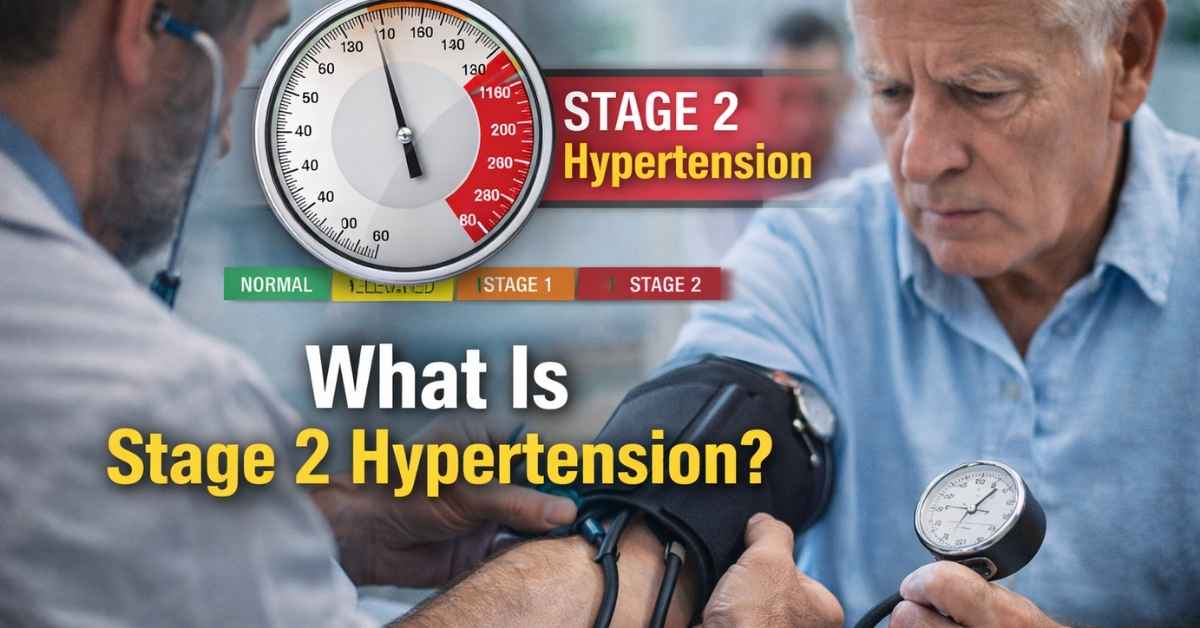
Under the widely used ACC/AHA guideline classification, stage 2 hypertension is typically ≥ 140 systolic or ≥ 90 diastolic.
In plain terms: the pressure in your arteries is high enough that it significantly increases your long-term risk unless you treat it.
Stage 2 hypertension range (simple)
| Category | Systolic (top) | Diastolic (bottom) |
|---|---|---|
| Normal | <120 | and <80 |
| Elevated | 120–129 | and <80 |
| Stage 1 | 130–139 | or 80–89 |
| Stage 2 | ≥140 | or ≥90 |
(Ranges shown align with the 2017 ACC/AHA highlights.)
Stage 2 Hypertension Life Expectancy: The Truth (Not Fear)
Does stage 2 hypertension reduce life expectancy?
It can—especially when untreated or poorly controlled—because it raises the risk of events that shorten life, such as stroke, heart attack, heart failure, and kidney disease. Hypertension is recognized as a major cause of premature death worldwide.
But here’s the key: risk is modifiable.
Why blood pressure control changes outcomes
Large bodies of evidence show that lowering blood pressure reduces cardiovascular events and death.
In an AHA publication summarizing trial evidence, a 10 mmHg reduction in systolic BP was associated with a large reduction in stroke incidence in meta-analysis data.
So while no responsible clinician can promise “normal life expectancy” from a single BP reading, the trajectory is clear:
better control → lower risk → better long-term survival.
Life Expectancy With Treatment vs Without Treatment
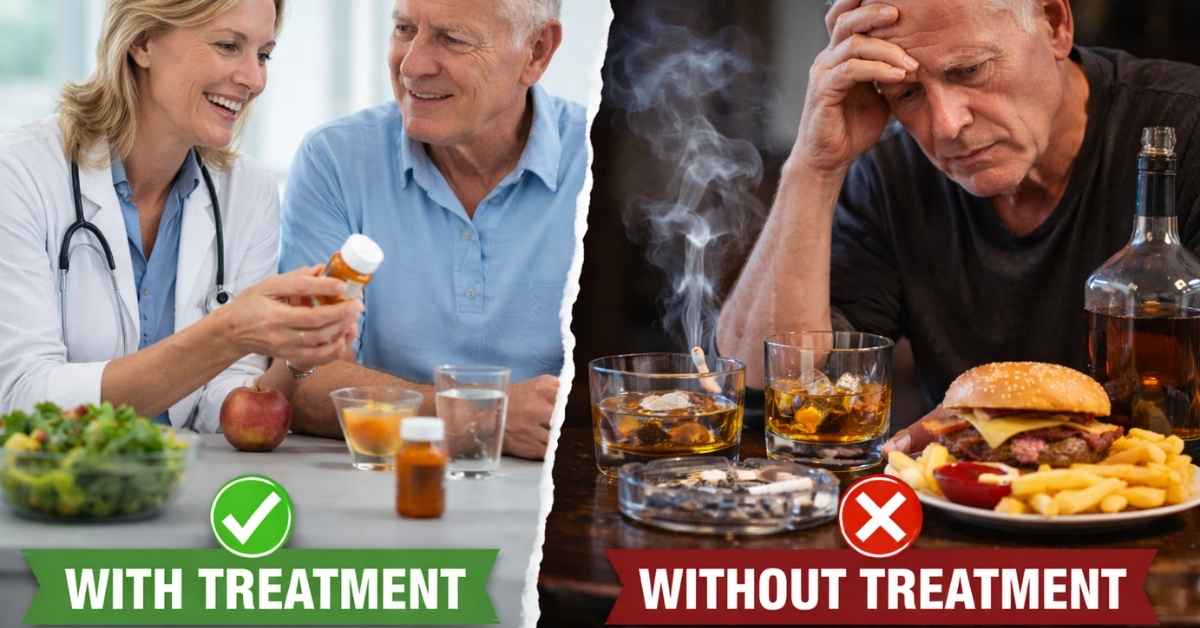
Stage 2 hypertension life expectancy with treatment
With treatment, many people can reduce their blood pressure into safer ranges and substantially lower their risk. Clinical trial syntheses show associations between achieved SBP and lower risk of cardiovascular disease and all-cause mortality among treated adults with hypertension.
What “treatment” really means
-
Medication (often needed at stage 2)
-
Lifestyle changes (diet, weight, activity, sleep, alcohol)
-
Regular monitoring and follow-up
What this looks like in real life
-
You and your clinician aim for a target (often individualized)
-
You track BP at home for accurate trends (see UK section below)
-
Your plan is adjusted until BP is controlled consistently
Stage 2 hypertension life expectancy without treatment
Untreated stage 2 hypertension is dangerous because the damage is often silent until an emergency happens. Hypertension often causes no symptoms but is strongly linked to severe complications.
Over time, persistently high pressure contributes to arterial injury and organ damage—heart, brain, kidneys, eyes.
Bottom line: untreated stage 2 hypertension increases the probability of life-shortening events—especially stroke and heart disease.
What Most Affects Prognosis (and Why Two People Differ)
Your life expectancy impact is shaped by multiple factors:
1) How high your BP is and how long it’s been high
The longer BP is uncontrolled, the more opportunity for damage.
2) Whether you already have “target organ damage”
Examples: kidney impairment, heart enlargement, retinal damage.
3) Comorbidities
Diabetes, chronic kidney disease, sleep apnoea, high LDL cholesterol, smoking—each multiplies risk.
4) Consistency of control
Not “one good reading,” but a stable, lower average over weeks and months.
5) Age and sex (including women)
Hypertension risk exists across sexes, but risk patterns can differ across life stages. Globally, hypertension is a leading risk factor for death and disability.
Stage 2 hypertension life expectancy women (what to know)
-
After menopause, BP tends to rise for many women.
-
Pregnancy-related hypertensive disorders can influence future cardiovascular risk (discuss with a clinician).
-
The best protective move is the same: early detection + consistent control.
Stage 2 Hypertension Symptoms (and Why You Might Feel “Fine”)
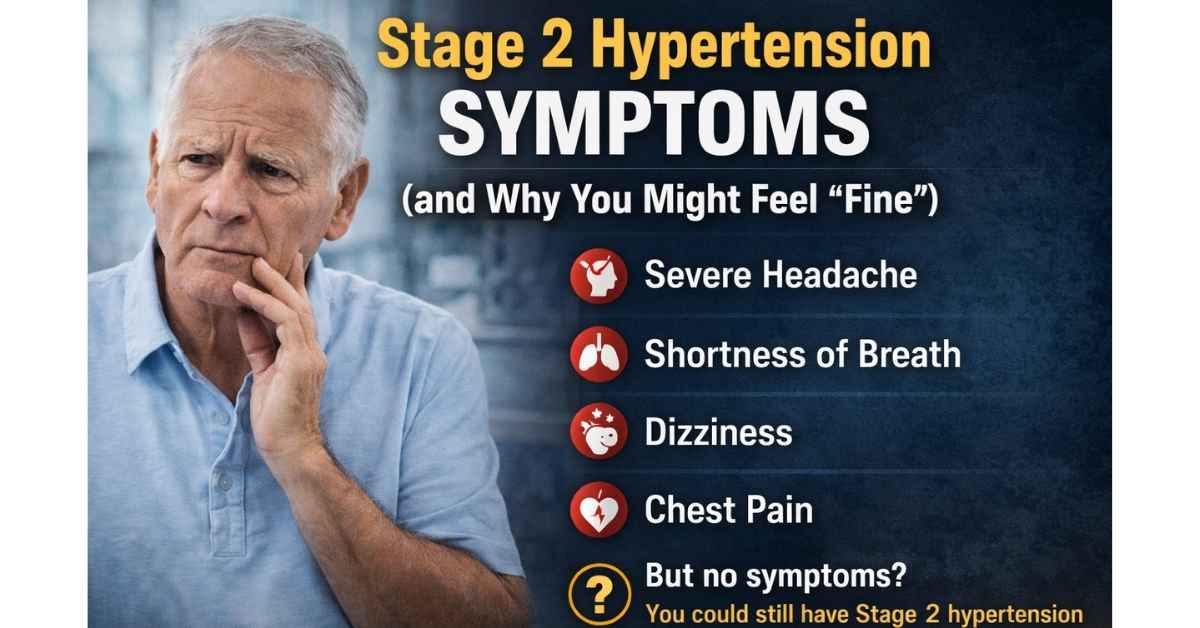
A major danger is that you may have no symptoms, even at stage 2.
When symptoms do occur, they may include:
-
Headaches
-
Shortness of breath
-
Chest discomfort
-
Dizziness
-
Blurred vision
If you experience severe chest pain, neurological symptoms (face droop, weakness), or severe shortness of breath, treat it as an emergency.
Stage 2 Hypertension Treatment (Evidence-Based)
Most stage 2 cases require medication plus lifestyle changes.
Medication
Common first-line classes include:
-
ACE inhibitors / ARBs
-
Calcium-channel blockers
-
Thiazide-type diuretics
Your clinician may use one or more medications depending on your profile, side effects, and kidney function.
Lifestyle (the “multiplier” that improves outcomes)

DASH / Mediterranean-style eating
The DASH diet emphasizes fruits, vegetables, whole grains, low-fat dairy, lean proteins, nuts/legumes, and reduced sodium—designed specifically to help lower BP.
Salt reduction (UK-relevant)
The NHS notes that too much salt contributes to high blood pressure and recommends practical ways to reduce intake; much dietary salt comes from packaged everyday foods.
Activity
Aerobic exercise supports BP reduction and cardiovascular health. Strength training can also help (talk to your clinician before starting, especially if BP is very high).
Weight, alcohol, sleep, and smoking
Each can meaningfully shift BP trends and risk.
Is Stage 2 Hypertension Dangerous?
Yes—if ignored. It is dangerous mainly because it increases risk of stroke, heart disease, heart failure, kidney disease, and other outcomes.
But it’s also one of the most treatable cardiovascular risk factors—because BP is measurable and modifiable.
Can Stage 2 Hypertension Be Reversed?
Sometimes, yes—especially if the primary drivers are lifestyle-related (excess weight, high sodium diet, inactivity, alcohol, poor sleep). But “reversal” may mean different things:
-
Some people reach normal BP without medication after sustained changes.
-
Many people still need long-term medication—and that’s not failure. It’s prevention.
Blood Pressure Life Expectancy Calculator (and Why Averages Matter)
Life expectancy isn’t calculated from a single BP reading. What matters is your long-term average.
A practical step: track readings and calculate your average using your preferred tool Blood pressure average calculator
Also consider a “risk calculator” approach as a conversation starter with your clinician (based on age, cholesterol, diabetes, smoking, BP, etc.).
Best Home Blood Pressure Monitor UK: What to Look For
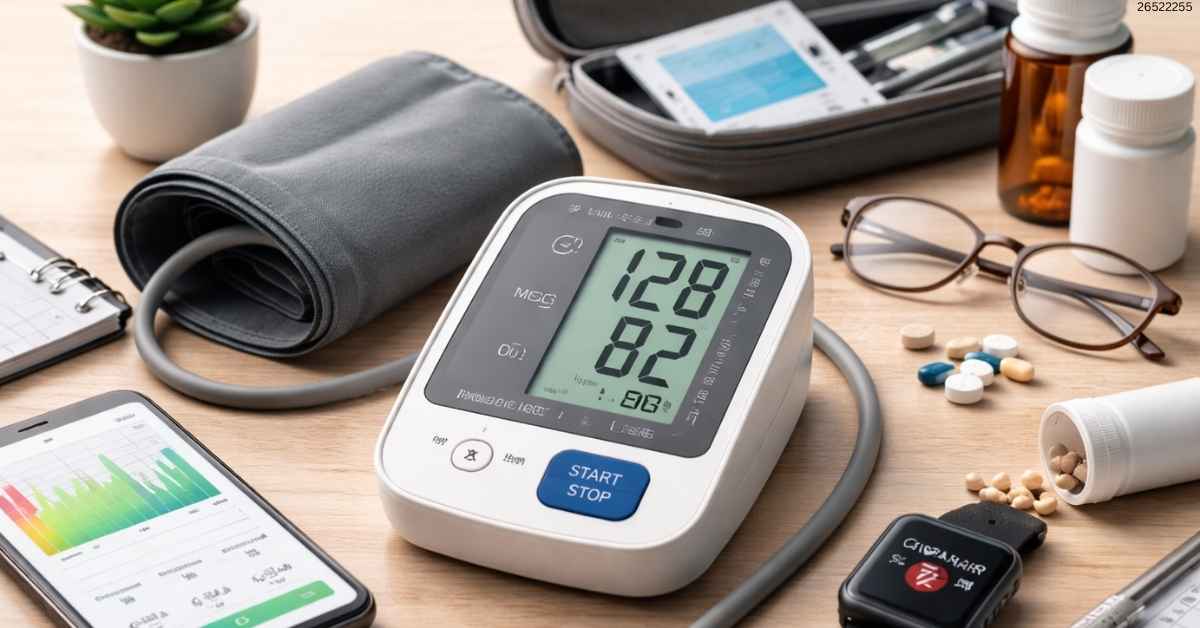
Home monitoring improves detection and helps clinicians adjust treatment. UK-focused guidance consistently emphasizes validated upper-arm monitors.
-
Blood Pressure UK advises choosing a clinically validated monitor and notes that the British and Irish Hypertension Society (BIHS) list can help you pick reliable devices.
-
BIHS maintains validated monitor guidance intended to improve measurement accuracy.
Simple checklist
-
Upper-arm cuff (not wrist, unless advised)
-
Correct cuff size
-
Clinically validated (BIHS list)
-
Easy to use and read
FAQ: Answers to All Your Questions (PAA-Optimized)
How serious is hypertension stage 2?
Stage 2 hypertension is serious because it significantly increases the risk of stroke and heart disease over time—but it is also highly treatable. Bringing BP down reduces risk.
Can anxiety raise blood pressure?
Yes. Anxiety can raise BP temporarily through stress hormones. If anxiety is chronic, it can indirectly raise BP via sleep disruption, alcohol use, overeating, and inactivity.
What is the best exercise for high blood pressure?
For most people, the best place to start is brisk walking. Also helpful:
-
Cycling
-
Swimming
-
Jogging (if safe for you)
-
Strength training 2–3x/week can help some people, especially older adults.
What foods should you avoid if you have high blood pressure?
Limit:
-
Processed/packaged foods (major salt sources)
-
Fast food
-
Processed meats
-
Sugary drinks
-
Excess alcohol
The NHS notes much salt intake comes from everyday packaged foods like bread, cereals, ready meals.
Why are bananas bad for high blood pressure?
They usually aren’t. Bananas provide potassium, which can be helpful for BP. The exception: people with certain kidney conditions may need potassium limits—ask your clinician if that applies.
What is the best breakfast for high blood pressure?
A BP-friendly breakfast balances fiber, protein, and minimal sodium:
-
Oats + berries
-
Greek yogurt + fruit + nuts
-
Whole-grain toast + avocado
-
Eggs + spinach + tomatoes
DASH-style patterns support BP control.
Should I eat eggs if I have high blood pressure?
Often yes, in moderation, especially if your overall diet pattern is heart-healthy (DASH/Mediterranean). Individual cholesterol or diabetes considerations can change advice.
Is it possible to reverse high blood pressure?
Sometimes. Lifestyle changes can reduce BP significantly and may normalize it in some people. Others still need medication long-term—controlling BP is the goal either way.
What do cardiologists eat in a day?
Most cardiology-friendly patterns resemble DASH/Mediterranean:
-
Vegetables, fruits, legumes
-
Whole grains
-
Lean proteins (fish/poultry/beans)
-
Healthy fats (olive oil, nuts)
What are three foods cardiologists say not to eat?
Common “limit” items:
-
Processed meats
-
Ultra-processed salty snacks
-
Sugary drinks
(These raise sodium/sugar load and worsen overall cardiovascular risk.)
What is the number one food to clean arteries?
There isn’t one magic food. Artery health improves through overall pattern: fiber-rich plants, healthy fats, and reduced sodium/ultra-processed foods.
What strengthens the heart the most?
The strongest combo:
-
Consistent aerobic exercise
-
BP control
-
Not smoking
-
Healthy weight and sleep
Because BP reduction lowers stroke and cardiovascular risk.