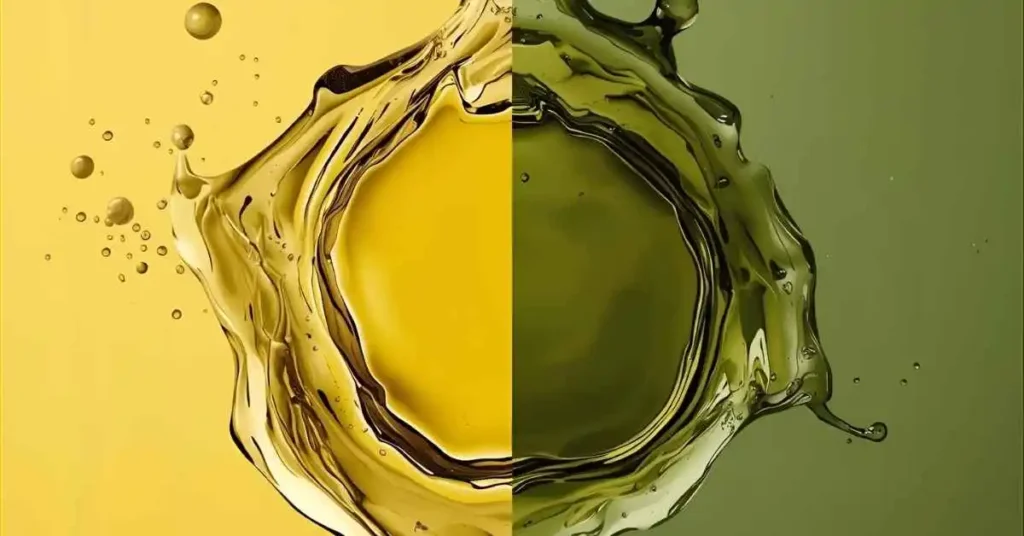
Walk into any Tesco or peruse the aisles of your local Aldi, and you’ll be met with a wall of cooking oils. It’s enough to make any home cook pause. In my years of working as a food writer and recipe developer here in the UK, the question I get asked most often is: “Is vegetable oil or olive oil actually better?”
It’s a deceptively simple question. The answer isn’t a single winner, but a strategic choice that affects everything from the crispiness of your roast potatoes to the nutritional value of your family meal. Having tested everything from budget-friendly supermarket brands to artisanal oils, I’ve learned that the real secret lies in knowing when to use which one.
This guide cuts through the marketing spiel with practical, UK-focused advice. We’ll look beyond the labels to the real-world cooking performance, health impacts, and cost for British households. Let’s settle this kitchen debate for good.
What Is Vegetable Oil, Really?
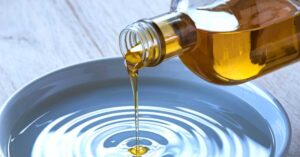
Let’s be clear: “vegetable oil” is a misleading term. It’s not squeezed from a “vegetable” plant. When you pick up that bottle of own-brand oil from Asda or Morrisons, you’re typically buying a blend of refined oils. In the UK, the primary component is almost always rapeseed oil, often mixed with sunflower or a touch of soybean oil.
I think of standard vegetable oil as the utility player of the kitchen—highly processed, neutral, and dependable. To achieve that clear, flavourless liquid, it undergoes a rigorous process involving heat, chemical solvents, and deodorisation. This gives it a high smoke point (around 230°C), making it a safe bet for high-heat cooking, but it also strips away most of the natural nutrients and antioxidants found in the original seeds.
The UK Supermarket Reality: Tesco’s everyday vegetable oil, for instance, is primarily refined rapeseed oil. This heavy processing is why it’s so affordable and versatile, but it’s also the reason it lacks the character and health halo of less refined oils.
Olive Oil: The Mediterranean Powerhouse, Demystified
Olive oil, in contrast, is gloriously simple in concept: it’s the juice of pressed olives. But the labels can be confusing. Having visited groves in Spain and Italy, I’ve seen first-hand the care that goes into the good stuff. Here’s what you’re actually buying in a UK shop:
-
Extra Virgin Olive Oil (EVOO): The gold standard. It’s cold-pressed mechanically, without heat or chemicals. This preserves a complex flavour (peppery, grassy, or fruity) and a treasure trove of antioxidants. Its smoke point is lower (160-190°C). I always have a bottle from Waitrose or a good local deli for dressings and finishing.
-
Virgin Olive Oil: A step down from EVOO, with a slightly higher acidity and less intense flavour. It’s still unrefined but better for everyday cooking.
-
Refined Olive Oil (often labelled as ‘Light’ or ‘Pure’): Don’t be fooled by “light”—it refers to flavour, not calories! This oil is processed much like vegetable oil, giving it a higher smoke point (200-230°C) and neutral taste. It’s the budget-friendly option you’ll find in Aldi and Lidl for general cooking.
The key takeaway? The minimal processing of quality olive oil, especially EVOO, preserves powerful anti-inflammatory compounds like oleocanthal (which gives that peppery kick at the back of your throat) and polyphenols. These are the components that deliver proven health benefits.
For authoritative guidance on fats in your diet, the NHS guidelines on fat are an essential read. [External Link: https://www.nhs.uk/live-well/eat-well/food-types/different-fats-nutrition/]
Nutritional Showdown: It’s More Than Just Fat
Yes, both contain about 120 calories per tablespoon. But the quality of those calories is worlds apart. Let’s break down the nutritional profile you’d see in a typical UK blend versus a good EVOO.
| Component | Vegetable Oil (Typical UK Blend) | Extra Virgin Olive Oil |
|---|---|---|
| Saturated Fat | 7-10% | 14% |
| Monounsaturated Fat | 55-65% | 73% |
| Polyunsaturated Fat | 25-35% | 11% |
| Omega-6 : Omega-3 | High (often 10:1) | Balanced (approx. 10:1) |
| Antioxidants & Polyphenols | Minimal to none | 200-500 mg/kg |
What This Means for Your Health:
-
Monounsaturated Fats: Olive oil is the clear winner. These “good fats” are champions for heart health, helping to manage cholesterol levels. This is a core reason the Mediterranean diet is so celebrated.
-
The Omega-6 Problem: While we need some Omega-6, the typical Western diet is overloaded with it, primarily from refined vegetable oils. An excessive, unbalanced intake can promote inflammation.
-
The Antioxidant Edge: This is EVOO’s superpower. These compounds protect your cells from damage. Vegetable oil, due to refining, has virtually none.
The British Heart Foundation recommends replacing saturated fats with unsaturated fats, and specifically highlights oils like olive oil as a healthy choice. [External Link: https://www.bhfoundation.org.uk]
Cooking Performance: Smoke Points & Real-World Use

I can’t count the number of times I’ve seen a kitchen filled with smoke because someone used the wrong oil for the job. The smoke point is the temperature at which an oil starts to break down, producing harmful compounds and off-flavours.
Here’s a practical guide for UK cooking styles:
| Cooking Method | First Choice | Why? | A Good Alternative |
|---|---|---|---|
| Deep-Frying Chips | Vegetable Oil | High smoke point (230°C) & neutral taste. | Refined Olive Oil |
| Roasting Potatoes | Refined Olive Oil | Handles oven heat, adds subtle flavour. | Vegetable Oil |
| Air Fyer Cooking | Vegetable Oil | Safe margin for temps often exceeding 200°C. | Refined Olive Oil |
| Sautéing Onions | Extra Virgin Olive Oil | Perfect for medium heat, flavour enhances the dish. | – |
| Salad Dressings | Extra Virgin Olive Oil | Non-negotiable for flavour and health benefits. | – |
A Note on the “You Can’t Cook with EVOO” Myth: This is a pet peeve of mine. I use EVOO for sautéing garlic for a pasta sauce or roasting Mediterranean vegetables at 180°C all the time. It’s perfectly stable at these temperatures. The myth that it’s only for drizzling is one that needs to be retired, though I’d never use my best bottle for deep-frying.
Taste & Flavour: The Invisible Ingredient

This is where your choice truly shapes the meal.
-
Vegetable Oil is Your Blank Canvas. Its job is to be invisible. It’s perfect for baking a classic Victoria sponge where you only want to taste the butter and vanilla, or for making incredibly crispy Yorkshire puddings where the fat shouldn’t intrude.
-
Olive Oil is a Flavour Powerhouse. A robust Greek EVOO can make a salad sing, while a milder Spanish one can be perfect for a cake. I love finishing a soup or a piece of grilled fish with a bold drizzle—it’s like adding a final, crucial seasoning.
The Cost of Cooking: A UK Price Breakdown
Let’s talk brass tacks. As of 2024, here’s what you can expect to pay:
-
Vegetable Oil: The clear budget winner. You’ll find it for £1.50 – £3/litre at Aldi, Lidl, and other discounters.
-
Olive Oil: More of an investment. Basic refined starts around £3-£5/litre, while a decent EVOO will be £6-£12/litre.
My Strategic Approach: I use affordable vegetable oil for high-heat tasks like frying (where its qualities shine) and reserve a good, mid-priced EVOO for where its flavour and nutrients matter most. This balanced approach keeps my overall oil costs manageable without sacrificing quality or health.
The Final Verdict for Your UK Kitchen

So, which one wins? In my professional and personal opinion, the most intelligent approach is to see them not as rivals, but as partners.
Your Kitchen Should Have Both.
-
Keep a bottle of vegetable oil for deep-frying, high-heat roasting, and neutral-flavoured baking.
-
Keep a bottle of extra virgin olive oil for salad dressings, sautéing, drizzling, and any dish where its flavour will be a star.
By choosing strategically, you get the best of both worlds: the high-heat performance and affordability of vegetable oil, paired with the unparalleled flavour and health benefits of a good olive oil. It’s not about declaring a single winner; it’s about equipping your kitchen to create better, healthier, and more delicious food.
FAQs
Is vegetable oil or olive oil better for you?
Olive oil, particularly extra virgin, is nutritionally superior. It contains more heart-healthy monounsaturated fats and powerful antioxidants that vegetable oil lacks. The NHS and British Heart Foundation both recommend olive oil as part of a balanced diet.
However, vegetable oil isn’t “bad” – it’s a reasonable cooking fat when used appropriately. The key is choosing the right oil for each purpose and not relying exclusively on highly refined oils.
Can you use vegetable oil instead of olive oil in cooking?
Yes, in most cases. For high-heat cooking like deep-frying or stir-frying, vegetable oil actually performs better due to its higher smoke point. For roasting and baking, they’re interchangeable.
The main difference is flavour. Vegetable oil’s neutral taste won’t replicate olive oil’s richness in Mediterranean dishes or salad dressings. For these applications, substitution significantly changes the final result.
Which oil is cheaper in UK supermarkets?
Vegetable oil costs substantially less. Expect to pay £1.50-£3 per litre for vegetable oil versus £4-£12 per litre for olive oil. Budget brands at Aldi and Lidl offer the best value in both categories.
For cost-effective healthy cooking, use affordable vegetable oil for high-heat methods and reserve reasonably-priced extra virgin olive oil (around £4-6 per litre from Aldi or Lidl) for salads and finishing.
Is vegetable oil suitable for deep-frying chips?
Absolutely. Vegetable oil is ideal for deep-frying due to its high smoke point (around 230°C) and neutral flavour. It’s what most UK chip shops use, though some now use beef dripping or high-oleic rapeseed oil.
Heat the oil to 160-170°C for the first fry, then 180-190°C for the second (if double-frying). Vegetable oil stays stable at these temperatures without smoking or breaking down.
Does olive oil lose nutrients when heated?
Extra virgin olive oil does lose some antioxidants when heated, but it remains healthier than most alternatives. Research shows that even after cooking, EVOO retains significant beneficial compounds.
The key is staying within appropriate temperature ranges. Light sautéing and roasting at moderate oven temperatures preserve most nutrients. Only extended high-heat exposure (like deep-frying) significantly degrades EVOO’s benefits.
Which oil is best for roasting potatoes?
This depends on your priorities:
For crispy results: Refined vegetable oil or goose/duck fat (traditional British choice) achieve the crispiest exteriors due to high heat tolerance.
For flavour and health: Refined olive oil offers a lovely subtle taste while handling roasting temperatures (200-220°C) perfectly.
For budget: Vegetable oil costs less and delivers excellent results.
Many UK cooks compromise: start potatoes in vegetable oil at high heat, then finish with a drizzle of olive oil for flavour.
Are UK rapeseed oils better than imported olive oils?
Both have merits:
British rapeseed oil advantages:
- Supports UK farmers
- Lower transport emissions
- Often cold-pressed (if you buy quality brands)
- Mild, pleasant flavour
Mediterranean olive oil advantages:
- Higher in beneficial polyphenols
- Richer flavour profiles
- Centuries of traditional production expertise
For everyday cooking, quality British rapeseed oil is excellent and sustainable. For salads, finishing, and Mediterranean dishes, imported olive oil provides authenticity and superior taste.
Can I mix vegetable oil and olive oil?
You can, though it’s rarely necessary. Some home cooks blend them for deep-frying, hoping to gain olive oil’s benefits at vegetable oil’s smoke point.
However, mixed oils take on the lowest smoke point of their components – meaning extra virgin olive oil would still limit the blend. You’re better off choosing the appropriate oil for each specific task rather than mixing.
Some of the Useful Links: