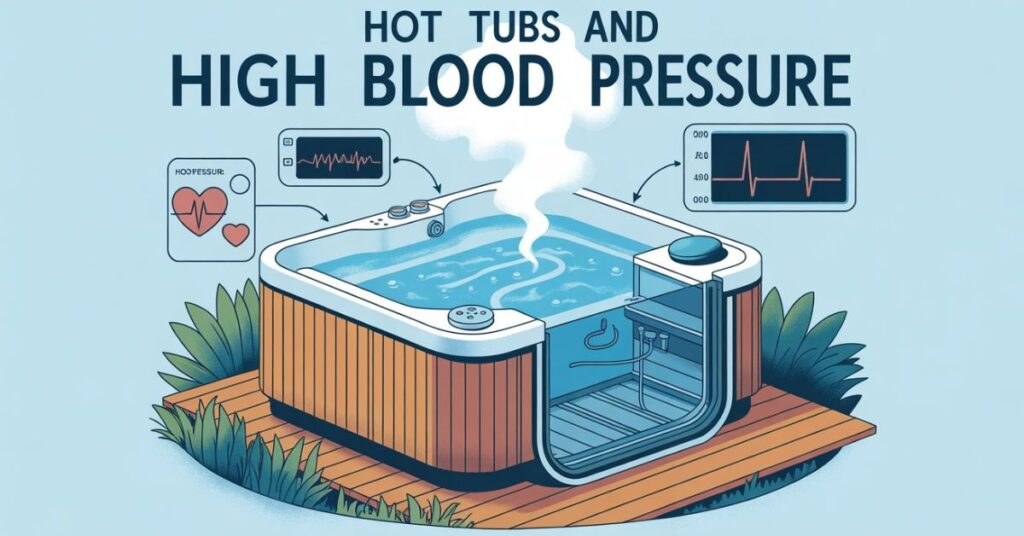
Hot tubs, Jacuzzis, and saunas have become a symbol of relaxation and wellness across the UK and USA. Many people enjoy the soothing warmth after a long day — but if you have high blood pressure (also known as hypertension), you might wonder: Is it safe to soak in a hot tub?
This article explores the relationship between high blood pressure and hot tubs, explaining the science, benefits, and precautions you should take. We’ll also touch on how temperature affects your heart, discuss natural blood pressure remedies, and connect you with helpful resources such as blood pressure average calculator and Can You Drive with a 24-Hour Blood Pressure Monitor?
What the Research Says

Scientific research offers some reassuring insights.
A well-known study published in the Canadian Medical Association Journal (Shin et al., 2003) investigated people with treated hypertension who spent ten minutes in a 40 °C hot tub. The results showed a modest drop in blood pressure and an increase in heart rate — suggesting that short-term hot-water immersion may be safe for most people with controlled blood pressure.
Other studies support this finding, noting that hydrotherapy and sauna use promote vasodilation — the widening of blood vessels — which temporarily lowers blood pressure. However, if your high blood pressure symptoms are severe or untreated, the heat may cause a sudden drop or spike in blood pressure, leading to dizziness or fainting.
You can read more about normal blood pressure levels on NHS.uk or Wikipedia.
How It Works Physiologically

1. Heat, Circulation, and the Heart
When you sit in a hot tub, your body temperature rises. To cool itself, your blood vessels expand — a process known as vasodilation. This increases blood flow to the skin and muscles, improving circulation and easing tension. For someone with high blood pressure, this can temporarily reduce the workload on the heart.
However, if you stay too long or the water is too hot, your body may become dehydrated, which can have the opposite effect and cause high blood pressure hot face or light-headedness.
2. Nitric Oxide and Relaxation
Warm water also triggers nitric oxide release — a compound that relaxes blood vessels. This mechanism is similar to the way some high blood pressure treatments work. Some studies even show small drops in systolic readings after 10–15 minutes in warm water.
When It Can Be Beneficial
1. For Treated or Stable Hypertension
If your blood pressure is controlled with medication, moderate hot-tub use can help you relax, relieve stress, and improve circulation. Stress is a major factor in hypertension, so relaxing in a Jacuzzi hot tub can indirectly benefit heart health.
2. For Muscle and Joint Relief
People with arthritis or muscle stiffness often find that hydrotherapy reduces pain and promotes mobility — especially when combined with gentle stretching.
3. Mental Health and Magnesium
Relaxation boosts mental wellbeing and sleep quality. Moreover, magnesium — a vital mineral for heart health — is often linked with better blood pressure regulation. Learn more about magnesium and blood pressure from Forbes Health.
Risks and When to Be Cautious

1. Uncontrolled or Severe Hypertension
If your readings are regularly above 140/90 mmHg, or if you experience symptoms of high blood pressure like headaches, chest pain, or blurred vision, you should consult your GP before using a hot tub. Prolonged exposure to heat can make your blood pressure unpredictable.
2. Hot Weather Complications
During high blood pressure hot weather, your body is already working hard to regulate temperature. Adding a hot tub session may increase strain on your heart, leading to fainting or dehydration. Always hydrate and keep sessions brief.
3. Medication Interactions
Some medications for hypertension or heart conditions (such as beta-blockers or diuretics) may alter how your body reacts to heat. It’s essential to discuss this with your doctor.
4. Other Medical Conditions
People with heart disease, diabetes, or kidney problems should use extra caution. Pregnant women and those with low blood pressure should avoid extreme temperatures altogether.
5. Negative Effects of Hot Tubs
Excessive use may cause:
- Dizziness or nausea
- Dehydration
- Drop in blood pressure when standing
- Skin irritation if chemicals are unbalanced
- Bacterial infection risk in poorly maintained tubs
For your safety, always ensure proper sanitation and avoid alcohol while soaking.
Practical Guidelines for Safe Use

1. Optimal Temperature and Duration
Keep water between 37–40 °C (98–104 °F) and limit sessions to 10–15 minutes.
2. Hydration and Cooling
Drink water before and after your soak. Step out slowly to prevent dizziness.
3. Monitor Your BP
Check your readings before and after your session using a blood pressure average calculator to track any changes.
4. Safe Environment
Ensure supervision if you have known heart issues. Avoid mixing alcohol with heat exposure.
5. Compare with Saunas
Both sauna and blood pressure research show similar effects — short-term reduction in BP followed by gradual normalisation. But sauna and high blood pressure risks increase if you alternate rapidly between hot and cold conditions.
How to Integrate with Overall Cardiovascular Health
Hot-tub use can complement — not replace — your overall high blood pressure treatment plan. Continue prescribed medication, maintain a healthy diet, exercise regularly, and reduce salt intake.
You can learn more about calculating your personal blood-pressure trends from How to Work Out Average Blood Pressure or check How Much Does High Blood Pressure Increase Travel Insurance? to understand lifestyle impacts.
Incorporating natural blood pressure remedies, such as magnesium-rich foods, meditation, and regular walking, further enhances your long-term heart health.
What’s Still Unknown
Despite promising findings, research on jacuzzi and high blood pressure remains limited. Most studies involve small groups and short sessions. Long-term effects of regular soaking — especially for those with multiple conditions — are not yet fully understood.
Curiously, even unrelated news like the Justice Department Comey case or topics like Marshawn Kneeland cause of death often trend online alongside health searches, showing how people connect wellness to broader human interest stories. But remember: evidence-based health decisions should rely on reputable science, not trending news.
For the latest updates, visit trusted medical sites such as NHS or Gov.uk Health.
Signs and Symptoms to Watch For
Symptoms of High Blood Pressure
- Persistent headaches
- Nosebleeds
- Blurred vision
- Fatigue or confusion
Symptoms of Low Blood Pressure
- Dizziness when standing
- Fainting
- Nausea
- Cold, clammy skin
If you notice any of these during or after using a hot tub, exit immediately and monitor your readings. Seek medical help if they persist.
Real-Life Example
Meet James, 52, from Manchester. He manages high blood pressure with medication and checks his readings using a blood pressure average calculator twice a week. After consulting his GP, he now enjoys 10-minute sessions in his Jacuzzi hot tub three evenings a week.
He keeps the temperature below 39 °C, avoids alcohol, and reports better sleep and reduced stress — key contributors to healthy blood pressure management.
Can You Drive with a 24-Hour Blood Pressure Monitor?
If you’re undergoing hypertension assessment, you might wonder can you drive with a 24-hour blood pressure monitor? The short answer is yes — but drive cautiously, as the cuff may inflate automatically and momentarily distract you. This type of monitoring helps your doctor assess how activities like hot-tub use, exercise, or rest affect your readings throughout the day.
Frequently Asked Questions (FAQs)
Does a hot tub raise blood pressure?
Generally, a hot tub does not raise blood pressure in most healthy adults. In fact, short sessions in warm water (around 37–40 °C) often cause vasodilation, which can slightly lower blood pressure. However, for some people — especially those with uncontrolled hypertension — sudden temperature changes or staying in too long can temporarily increase heart rate and blood pressure.
Always monitor your readings before and after soaking, and consult your GP if you experience dizziness or palpitations.
What medical conditions should not use a hot tub?
You should avoid hot tubs or use them only under medical supervision if you have:
- Uncontrolled high blood pressure (readings consistently above 140/90 mmHg)
- Heart disease or heart failure
- Diabetes with neuropathy (reduced sensation)
- Kidney problems or fluid-retention issues
- Skin infections or open wounds
- Pregnancy (especially early stages)
People taking blood-pressure medication, beta-blockers, or diuretics should also check with their doctor before soaking.
Is hot water good for people with high blood pressure?
Warm water can be beneficial for people with treated or stable hypertension. It promotes relaxation, reduces muscle tension, and encourages better circulation. That said, excessively hot water or long sessions may cause dehydration or fainting.
The key is moderation — limit your time to 10–15 minutes at temperatures below 40 °C, and always stay hydrated.
Are hot tubs safe if you have a heart condition?
If you have a diagnosed heart condition, such as angina, arrhythmia, or heart failure, you should seek medical advice before using a hot tub. The heat can temporarily increase heart rate, which might be risky for some individuals.
Many people with mild, stable heart disease can still use hot tubs safely if:
- They keep the temperature moderate
- Avoid alcohol
- Exit slowly
- Limit time in the water
Your GP or cardiologist can confirm what’s safe for your specific situation.
Conclusion
To summarise:
- Short, moderate use of hot tubs can help people with treated high blood pressure relax and reduce stress.
- Always maintain water below 40 °C and soak for no longer than 10–15 minutes.
- Avoid alcohol, stay hydrated, and check your BP regularly using a blood pressure average calculator.
- For those with uncontrolled hypertension or heart disease, consult your GP before using a jacuzzi or sauna.
- Remember, heat therapy is an adjunct, not a replacement for prescribed high blood pressure treatment.
External sources referenced:
- NHS – High Blood Pressure (Hypertension)
- Wikipedia – Hypertension
- Forbes Health – Magnesium and Blood Pressure
- Gov.uk Health and Social Care