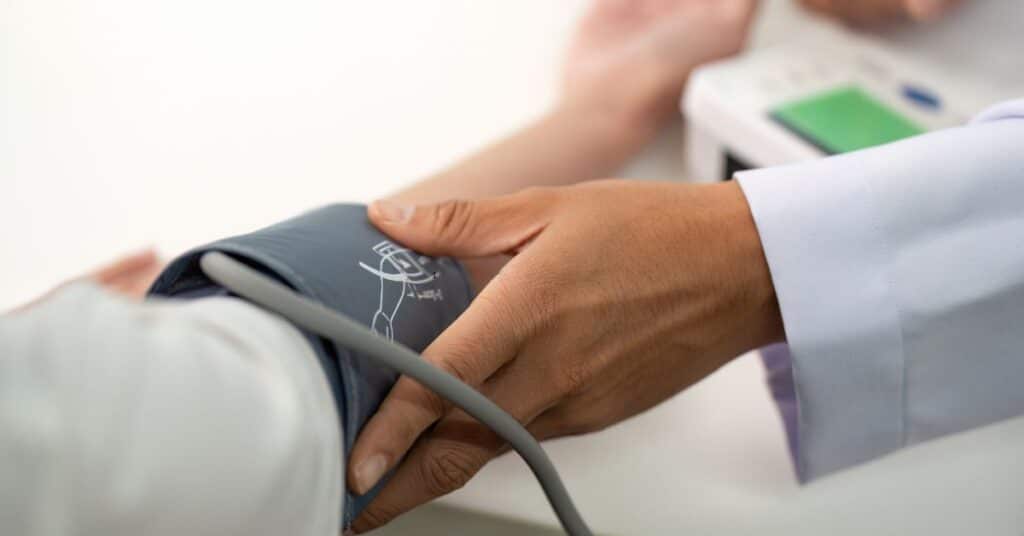
Feel that gentle, constant pressure in your arteries? Of course you don’t. For most of us, blood pressure is an invisible force, something we only think about during a doctor’s visit. But when that reading creeps up, it can feel like a silent alarm bell.
If you’ve been told your blood pressure is higher than it should be, you’re not alone. It’s a common issue, but the good news is that one of the most powerful, drug-free ways to manage it is entirely within your control: exercise.
You don’t need to become an elite athlete or run a marathon. The key is knowing what to do and how to do it safely. This comprehensive guide will walk you through the very best exercises for lowering blood pressure, explaining the science in simple terms and providing a clear, actionable plan you can start today.
What is Blood Pressure, Anyway? A Simple Explanation

Before we dive into the exercises, let’s quickly understand what we’re dealing with. Think of your circulatory system as a network of garden hoses (your blood vessels) and a pump (your heart).
-
Systolic Pressure (the top number): This is the pressure in your arteries when your heart beats, pumping blood out. It’s like turning the tap on full blast—the pressure in the hose surges.
-
Diastolic Pressure (the bottom number): This is the pressure in your arteries when your heart rests between beats. It’s like the background pressure left in the hose when the tap is just barely on.
High blood pressure, or hypertension, is when the force of the blood pushing against your artery walls is consistently too high. Over time, this can damage the vessels and strain your heart. Wondering where your numbers stand? You can check your readings against standard guidelines using our blood pressure average calculator.
Why Exercise is a Powerhouse for Blood Pressure Control
So, how does moving your body help calm this internal pressure? Regular physical activity works its magic in several brilliant ways:
-
It Makes Your Heart Stronger: A stronger heart can pump more blood with less effort. Imagine a powerful pump versus a weak one; the powerful one doesn’t have to work as hard, which reduces the force on your arteries.
-
It Improves Blood Vessel Flexibility: Exercise helps keep your arteries elastic and relaxed. Flexible arteries are better at expanding and contracting, which helps to lower pressure.
-
It Acts as a Natural “Water Pill”: Physical activity can help your kidneys manage sodium and water more effectively, reducing overall blood volume and, consequently, pressure.
-
It Calms Your Nervous System: Exercise is a well-known stress-buster. It helps reduce stress hormones like adrenaline, which can cause your blood vessels to constrict.
The American Heart Association recommends at least 150 minutes of moderate-intensity aerobic activity per week, and the exercises we’ll cover are perfect for hitting that goal.
The Gold Standard: Aerobic Exercise (Cardio)

When it comes to the best exercises for lowering blood pressure, aerobic exercise, also known as cardio, is the undisputed champion. These are activities that get your heart rate up and make you breathe a little harder.
1. Brisk Walking: The Simple Superstar
Don’t underestimate the power of a good walk! It’s free, low-impact, and you can do it almost anywhere.
-
How it helps: Consistently brisk walking strengthens your heart, improves circulation, and is incredibly sustainable.
-
Getting started: Aim for a 30-minute walk, five days a week. If that’s too much, start with 10-15 minutes and build up.
-
Pro Tip: You should be able to talk in short sentences, but not sing a song. This is your “moderate-intensity” sweet spot.
2. Cycling: Gentle on Joints, Tough on Hypertension
Whether on a stationary bike or out on the road, cycling is another fantastic option. It’s easy on your knees and hips while providing an excellent cardiovascular workout.
-
How it helps: It builds endurance in your leg muscles and heart without putting stress on your joints.
-
Getting started: Try a stationary bike at the gym or at home for 25-30 minutes, three times a week.
3. Swimming: The Ultimate Full-Body Workout
Diving into the pool is one of the most effective and joint-friendly exercises for lowering blood pressure. The water supports your body, eliminating impact stress.
-
How it helps: It works almost every muscle group while your heart and lungs work to supply oxygen. The horizontal position in water can also help with blood flow back to the heart.
-
Getting started: Try swimming laps for 30 minutes. If you’re not a strong swimmer, water aerobics or even walking in the chest-deep water is incredibly beneficial.
4. Dancing: The Fun Way to a Healthier Heart
Put on your favourite music and dance around the living room! Dancing is a joyful way to get your heart pumping without it feeling like a chore.
-
How it helps: It improves cardiovascular health, coordination, and is a fantastic mood booster.
-
Getting started: Follow a Zumba class on YouTube, or just freestyle for 30 minutes a few times a week.
The Essential Support: Strength Training

While cardio takes the lead, strength training is a crucial supporting actor. Building muscle does more than just make you stronger.
How Lifting Weights Lowers Blood Pressure
When you have more muscle, your body becomes more efficient at using energy. Muscle tissue helps to improve your metabolism and, over the long term, contributes to healthier blood pressure levels. A strong body also reduces the everyday strain on your heart.
The Best Strength Exercises for Beginners
You don’t need heavy weights. Bodyweight exercises or light dumbbells are a perfect start. Focus on compound movements that work multiple muscle groups.
-
Squats: They strengthen your legs and glutes, some of the largest muscles in your body.
-
Push-ups: (Start on your knees if needed). They build upper body and core strength.
-
Rows (with a resistance band or dumbbell): Excellent for back and posture.
-
Lunges: Another great leg and stability exercise.
Important Safety Note: When doing strength exercises, remember to breathe! Never hold your breath, as this can cause a dangerous spike in blood pressure. Exhale during the hardest part of the movement (e.g., as you push the weight up) and inhale as you return to the start.
The Mind-Body Connection: Yoga and Stretching

Stress is a major contributor to high blood pressure. This is where mind-body exercises come in, offering a double benefit: they provide gentle physical activity while calming your nervous system.
The Power of Deep Breathing
Many of the benefits of yoga for blood pressure come from its focus on deep, controlled breathing. This type of breathing activates the “rest and digest” part of your nervous system, slowing your heart rate and relaxing blood vessels.
Beginner-Friendly Poses to Try
-
Cat-Cow Pose: A gentle flow that warms up the spine and encourages mindful breathing.
-
Legs-Up-the-Wall Pose (Viparita Karani): Incredibly relaxing and believed to help with circulation. Simply lie on your back with your legs resting up a wall.
-
Child’s Pose: A calming, restorative pose that helps release tension in the back and shoulders.
Putting It All Together: Your Weekly Exercise Plan
Knowing the exercises is one thing; fitting them into your life is another. Here’s a sample week for a beginner, designed specifically as a plan for the best exercises for lowering blood pressure.
| Day | Activity | Duration | Notes |
|---|---|---|---|
| Monday | Brisk Walking | 30 minutes | Enjoy a park or your neighbourhood. |
| Tuesday | Strength Training | 20-25 minutes | Bodyweight squats, push-ups, rows. |
| Wednesday | Swimming or Cycling | 30 minutes | Choose the one you enjoy most. |
| Thursday | Yoga or Deep Stretching | 20-30 minutes | Focus on relaxation and breathing. |
| Friday | Brisk Walking | 30 minutes | Try a different route for variety. |
| Saturday | Active Fun (Dancing/Hiking) | 45 minutes | Make it social and enjoyable! |
| Sunday | Rest | – | Active recovery with a gentle walk is fine. |
Remember: This is a template. Listen to your body and adjust as needed. Consistency is far more important than perfection.
Safety First: Important Precautions Before You Start
Before beginning any new exercise program, especially if you have known high blood pressure, it’s crucial to take precautions.
-
Talk to Your Doctor: This is the most important step. Get clearance from your GP or cardiologist, particularly if you have other health conditions or are on medication.
-
Start Low and Go Slow: If you’re new to exercise, begin with shorter, easier sessions and gradually increase the intensity and duration.
-
Listen to Your Body: Stop immediately if you experience chest pain, severe shortness of breath, dizziness, or light-headedness.
-
Monitor Your Progress: Keep track of your blood pressure. You can use our blood pressure average calculator to log your readings and see your improvements over time.
For more authoritative information on hypertension, you can refer to the National Health Service (NHS) page on high blood pressure.
Beyond Exercise: A Holistic Approach
Exercise is a powerful tool, but it works best as part of a healthy lifestyle.
-
Eat a Heart-Healthy Diet: Focus on fruits, vegetables, whole grains, and lean proteins. Reduce your intake of salt, processed foods, and saturated fats. The DASH diet is specifically designed to combat high blood pressure.
-
Maintain a Healthy Weight: Losing even a small amount of weight if you’re overweight can have a significant impact on your blood pressure.
-
Limit Alcohol and Quit Smoking: Both are major contributors to hypertension.
Your Journey to a Healthier Heart Starts Now

Managing your blood pressure is a marathon, not a sprint. The best exercises for lowering blood pressure are the ones you enjoy and can stick with long-term. Whether it’s a daily walk, a weekly swim, or a quiet yoga session, every bit of movement counts.
You have the power to take control of your heart health. Lace up your trainers, find an activity that brings you joy, and take that first step today.
We’d love to hear from you!
What’s your favourite way to get active? Do you have any success stories about managing your blood pressure through exercise? Share your thoughts, questions, and tips in the comments below, and if you found this guide helpful, please share it with a friend or family member who might benefit
2 Responses