
Introduction: Why Understanding Food Groups Matters

Have you ever stood in your kitchen wondering if your meals are actually giving your body what it needs? You’re not alone. With so much conflicting nutrition advice online, understanding the basic food groups for a healthy diet can feel overwhelming.
Here’s the good news: eating well doesn’t require a nutrition degree or complicated meal plans. Once you understand the five main food groups and how they work together, making healthy choices becomes second nature.
Think of food groups as the building blocks of good health. Each group provides specific nutrients your body needs to function properly—from giving you energy to get through your day, to keeping your heart healthy and your immune system strong. When you eat a variety of foods from all groups, you’re essentially giving your body a complete toolkit for staying healthy.
In this guide, we’ll break down each food group in simple terms, show you exactly what to eat (and how much), and share practical tips you can use starting today. Whether you’re looking to improve your energy levels, manage your weight, or simply feel better overall, understanding these food groups is your first step toward lasting health.
What Are the Five Main Food Groups for a Healthy Diet?

The foundation of good nutrition rests on five essential food groups. These groups were developed by nutrition experts and government health organizations to help people make informed food choices. According to the NHS (National Health Service), these groups form the basis of dietary guidelines used across the UK and many other countries.
The five main food groups are:
- Fruits – Nature’s sweet treats packed with vitamins
- Vegetables – The nutritional powerhouses of any diet
- Grains – Your body’s primary energy source
- Protein Foods – Essential for building and repairing tissues
- Dairy – Important for strong bones and teeth
Each group plays a unique role in keeping you healthy. The key to good nutrition isn’t about eating perfectly from one group—it’s about balance across all five. Think of your plate as a colorful palette where each food group adds its own essential nutrients.
Understanding these food groups for a healthy diet helps you make better decisions at every meal. Instead of counting calories obsessively or following restrictive diets, you can simply ensure you’re including foods from each group throughout your day.
Food Group #1 – Fruits: Nature’s Vitamin-Packed Sweetness

Why Fruits Matter
Fruits are like nature’s candy, except they come loaded with beneficial nutrients rather than empty calories. They’re rich in vitamins (especially vitamin C), minerals, fiber, and antioxidants—compounds that protect your cells from damage.
Eating enough fruit has been linked to numerous health benefits. Research published by the British Heart Foundation shows that people who eat plenty of fruits and vegetables tend to have lower risks of heart disease, stroke, and certain types of cancer.
What Counts as a Fruit?
When building your understanding of food groups for a healthy diet, it’s important to know what counts:
- Fresh fruits (apples, oranges, bananas, berries, melons)
- Frozen fruits without added sugar
- Canned fruits in water or natural juice
- Dried fruits like raisins, dates, and apricots (in moderation due to concentrated sugars)
- 100% fruit juice (limited to one small glass per day)
How Much Fruit Should You Eat?
Most adults should aim for 1.5 to 2 cups of fruit daily. Here’s what that looks like in real life:
- One medium apple or banana
- 32 seedless grapes
- One large orange
- One cup of berries
- Half a cup of dried fruit
Practical Fruit Tips
Mix colors for maximum benefit. Different colored fruits contain different nutrients. Red strawberries offer vitamin C, orange mangoes provide beta-carotene, and purple blueberries are packed with antioxidants.
Keep it convenient. Wash and cut fruits at the beginning of the week. Store them in clear containers at eye level in your fridge. When healthy food is visible and ready to eat, you’re more likely to choose it.
Watch the juice. While 100% fruit juice contains vitamins, it lacks the fiber of whole fruits and can spike your blood sugar quickly. If you’re monitoring your health metrics like using a blood pressure average calculator, remember that excess sugar can impact your cardiovascular health over time.
Food Group #2 – Vegetables: The Nutritional Powerhouses

The Incredible Benefits of Vegetables
If there’s one food group you should prioritize, vegetables are it. They’re low in calories but incredibly high in nutrients—making them perfect for maintaining a healthy weight while nourishing your body.
Vegetables provide vitamins A, C, and K, minerals like potassium and magnesium, fiber for digestive health, and countless plant compounds that reduce inflammation and protect against chronic diseases.
Understanding Vegetable Subgroups
Not all vegetables are created equal. Nutrition experts divide vegetables into subgroups, each offering unique benefits:
Dark green vegetables (spinach, kale, broccoli) – Rich in iron, calcium, and vitamins
Red and orange vegetables (carrots, tomatoes, sweet potatoes) – High in vitamin A for eye health
Starchy vegetables (potatoes, corn, peas) – Provide energy and fiber
Beans and legumes (chickpeas, lentils, black beans) – Excellent protein and fiber sources
Other vegetables (lettuce, cabbage, celery, onions) – Add volume, crunch, and various nutrients
How Much Should You Eat?
Adults should aim for 2 to 3 cups of vegetables daily. This might sound like a lot, but it’s easier than you think:
- Two cups of raw leafy greens
- One cup of cooked or raw vegetables
- One cup of vegetable juice
Making Vegetables Work for You
Start your meals with vegetables. Eat a salad or veggie soup before your main course. This simple habit helps you fill up on nutrients rather than calories.
Experiment with cooking methods. If you think you don’t like vegetables, you might just not have found the right preparation method. Try roasting Brussels sprouts with olive oil until crispy, or grilling zucchini with herbs. These techniques bring out natural sweetness and add satisfying texture.
Frozen is fine. Frozen vegetables are picked at peak ripeness and frozen immediately, preserving their nutrients. They’re often more affordable and convenient than fresh options, with no sacrifice in nutritional value.
Sneak them in. Add spinach to smoothies, grate zucchini into pasta sauce, or blend cauliflower into mashed potatoes. Your taste buds might not notice, but your body will thank you.
Food Group #3 – Grains: Your Body’s Primary Fuel Source
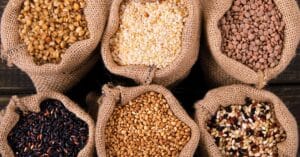
Understanding Grains in Your Diet
Grains are your body’s preferred source of energy. They break down into glucose, which fuels everything from your morning jog to your ability to concentrate at work. The key is choosing the right types of grains.
Whole Grains vs. Refined Grains
This distinction is crucial when considering food groups for a healthy diet:
Whole grains contain all three parts of the grain kernel—the bran, germ, and endosperm. This means they retain their fiber, vitamins, and minerals. Examples include:
- Brown rice
- Whole wheat bread
- Oatmeal
- Quinoa
- Whole grain pasta
- Barley
Refined grains have been processed to remove the bran and germ, which extends shelf life but strips away most nutrients and fiber. Examples include:
- White bread
- White rice
- Regular pasta
- Most crackers and cookies
According to the Whole Grains Council, people who eat whole grains regularly have lower risks of heart disease, type 2 diabetes, and obesity.
How Much Do You Need?
Most adults need 5 to 8 ounce-equivalents of grains daily, with at least half coming from whole grains. One ounce-equivalent equals:
- One slice of bread
- Half a cup of cooked rice or pasta
- One cup of ready-to-eat cereal
- One small tortilla or pancake
Smart Grain Choices
Read labels carefully. Just because bread is brown doesn’t mean it’s whole grain. Look for “whole” as the first ingredient—”whole wheat flour” or “whole grain oats.”
Try grain swapping. Replace white rice with brown rice or quinoa. Use whole wheat pasta instead of regular pasta. These small swaps add up to big health benefits over time.
Balance your plate. Grains should take up about one-quarter of your plate, not half. This leaves room for vegetables, protein, and other essential foods.
Food Group #4 – Protein Foods: Building Blocks for Your Body

Why Protein Matters
Protein is essential for building and repairing tissues, making enzymes and hormones, and supporting immune function. Every cell in your body contains protein, which is why this food group is so vital.
Diverse Protein Sources
One common misconception is that protein only comes from meat. In reality, this food group includes:
Animal proteins:
- Lean meats (chicken, turkey, lean beef)
- Fish and seafood (salmon, tuna, shrimp)
- Eggs
- Poultry
Plant proteins:
- Beans and lentils
- Nuts and seeds
- Tofu and tempeh
- Chickpeas and other legumes
Each source offers unique benefits. Fish provides omega-3 fatty acids for heart health, beans offer fiber, and nuts contain healthy fats. The British Nutrition Foundation recommends eating fish at least twice per week, including one portion of oily fish, for cardiovascular benefits.
Protein Portions
Adults typically need 5 to 6.5 ounce-equivalents of protein daily. Here’s what that looks like:
- One ounce of cooked meat, poultry, or fish
- One egg
- One tablespoon of peanut butter
- Quarter cup of cooked beans
- Half ounce of nuts or seeds
Protein Strategies
Choose lean options. Remove skin from poultry, trim visible fat from meat, and select cuts labeled “loin” or “round” for less saturated fat.
Embrace plant proteins. Meatless Monday isn’t just trendy—it’s good for your health and wallet. Beans, lentils, and chickpeas cost significantly less than meat while providing protein plus beneficial fiber.
Mix it up. Eating the same protein source every day is boring and nutritionally limiting. Rotate between different protein foods throughout the week to get a variety of nutrients.
Consider your overall health. If you’re tracking your cardiovascular health with a blood pressure average calculator, remember that choosing lean proteins and limiting processed meats supports healthy blood pressure levels.
Food Group #5 – Dairy: Strong Bones and Beyond

The Role of Dairy in Your Diet
Dairy products are excellent sources of calcium, vitamin D, and protein—all crucial for maintaining strong bones and teeth. During childhood and adolescence, getting enough calcium is essential for building bone mass. In adulthood, it helps maintain bone density and prevent osteoporosis.
What’s Included in the Dairy Group?
This food group encompasses:
- Milk (skim, low-fat, whole)
- Yogurt (plain, Greek, regular)
- Cheese (cheddar, mozzarella, cottage cheese)
- Calcium-fortified soy milk and soy yogurt
Note that butter, cream, and cream cheese don’t count as dairy in nutritional guidelines because they’re primarily fat with minimal calcium and protein.
Daily Dairy Recommendations
Most adults need three cups of dairy or dairy alternatives daily. One cup equals:
- One cup of milk or yogurt
- 1.5 ounces of hard cheese (about the size of four dice)
- Two cups of cottage cheese
Dairy Tips for Success
Choose low-fat or fat-free options. These provide the same calcium and protein as full-fat versions with fewer calories and less saturated fat.
Watch added sugars. Flavored yogurts can contain as much sugar as candy bars. Choose plain yogurt and add your own fresh fruit for natural sweetness.
Consider lactose-free options. If dairy upsets your stomach, you might be lactose intolerant. Lactose-free milk and yogurt provide the same nutrients without digestive discomfort.
Plant-based alternatives work too. If you don’t consume dairy, fortified soy, almond, or oat milk can fill the gap. Just check labels to ensure they contain calcium and vitamin D.
Balancing Food Groups for a Healthy Diet: Practical Meal Planning

The Plate Method
The simplest way to balance food groups is using the plate method. Imagine your dinner plate divided into sections:
- Half your plate: Fruits and vegetables (emphasis on vegetables)
- One quarter: Whole grains (brown rice, whole wheat bread, quinoa)
- One quarter: Lean protein (fish, chicken, beans, tofu)
- Plus a serving of dairy on the side (glass of milk, yogurt cup)
This visual approach removes the need for complicated calculations while ensuring you get nutrients from all food groups.
Real-Life Meal Examples
Breakfast: Whole grain toast with peanut butter, banana slices, and a glass of low-fat milk
Lunch: Large salad with mixed greens, cherry tomatoes, chickpeas, and whole grain roll, plus an orange
Dinner: Grilled salmon, roasted sweet potato, steamed broccoli, and a small whole grain dinner roll
Snacks: Apple slices with cheese, carrot sticks with hummus, or Greek yogurt with berries
Special Considerations
Budget-friendly options: Frozen vegetables, dried beans, eggs, and whole grains like oats and brown rice provide excellent nutrition at low cost. Seasonal fresh produce is typically more affordable than out-of-season options.
Time-saving strategies: Batch cook grains and proteins on weekends. Pre-cut vegetables when you get home from grocery shopping. Keep convenient options like frozen vegetables and canned beans stocked.
Dietary restrictions: Whether you’re vegetarian, vegan, gluten-free, or managing food allergies, you can still balance food groups. Focus on including variety within the foods you can eat.
Common Mistakes to Avoid
Overemphasizing One Food Group
Some diet trends promote extremely high protein or extremely low carbohydrate intake. While these approaches might offer short-term results, they often lack balance. Your body needs nutrients from all food groups for optimal function.
Ignoring Portion Sizes
Even healthy foods can lead to weight gain if eaten in excessive amounts. Nuts, for example, are nutritious but calorie-dense. A proper serving is about one ounce (roughly a small handful), not a mixing bowl full.
Drinking Your Calories
Fruit juice, sweetened coffee drinks, and soft drinks can add hundreds of calories without satisfying hunger. These liquid calories don’t provide the fiber and nutrients of whole foods from proper food groups.
Skipping Food Groups
Completely eliminating entire food groups (unless medically necessary) can lead to nutrient deficiencies. For instance, avoiding all grains might reduce your B vitamin and fiber intake, while skipping dairy without replacement can affect calcium levels.
Food Groups and Long-Term Health

Disease Prevention
Following dietary guidelines based on food groups for a healthy diet isn’t just about feeling good today—it’s about preventing chronic diseases decades down the line. Research consistently shows that balanced eating patterns reduce risks of:
- Heart disease and stroke
- Type 2 diabetes
- Certain cancers
- Obesity
- Osteoporosis
- Digestive problems
The Public Health England reports that many leading causes of death in developed nations are linked to poor diet quality.
Mental Health and Cognitive Function
Emerging research reveals strong connections between diet quality and mental wellbeing. Balanced nutrition from all food groups supports brain health, potentially reducing risks of depression and cognitive decline as we age.
Energy and Daily Performance
When you eat from all food groups regularly, you’re providing your body with steady energy throughout the day. This means:
- Better concentration at work or school
- Improved athletic performance
- More stable moods
- Better sleep quality
- Stronger immune function
Adapting Food Groups to Different Life Stages

Children and Adolescents
Growing bodies need nutrients from all food groups, but in different amounts than adults. Children generally need smaller portions but require adequate calcium and protein for growth. Making food fun—like arranging vegetables into smiley faces or letting kids help prepare meals—encourages healthy habits.
Pregnancy and Breastfeeding
Pregnant and nursing women need additional nutrients, particularly iron, folic acid, and calcium. This means slightly larger portions from most food groups and paying special attention to nutrient-dense choices.
Older Adults
As we age, our calorie needs typically decrease, but our nutrient needs remain high or even increase. Older adults should focus on nutrient-dense foods from each food group while being mindful of portion sizes. Adequate protein becomes especially important to maintain muscle mass.
Taking Action: Your Next Steps
Understanding food groups for a healthy diet is powerful knowledge, but knowledge without action won’t improve your health. Here’s how to start:
This week: Assess your current eating patterns. Are you including foods from all five groups daily? Which group needs more attention?
This month: Make one small change in each food group. Maybe add a vegetable to lunch, switch to whole grain bread, or try a new protein source.
Long-term: Think of balanced eating as a lifelong practice, not a temporary diet. Small, sustainable changes create lasting habits.
Remember that perfection isn’t the goal—consistency is. Some days you’ll eat beautifully balanced meals. Other days you’ll grab whatever’s quick. That’s normal and okay. What matters is your overall pattern over weeks and months.
Conclusion: Building Your Healthy Eating Foundation
Understanding food groups for a healthy diet isn’t about strict rules or deprivation—it’s about nourishing your body with the variety of nutrients it needs to thrive. When you include fruits, vegetables, grains, proteins, and dairy in appropriate portions, you’re giving yourself the best foundation for lifelong health.
The beauty of this approach is its flexibility. Whether you’re cooking at home, eating at restaurants, or grabbing something quick, you can always ask yourself: “Am I including different food groups? Could I add a vegetable here or swap refined grains for whole grains there?”
These small, mindful choices compound over time into significant health benefits. You’ll likely notice increased energy, better digestion, improved mood, and enhanced overall wellbeing. And decades from now, you’ll thank yourself for establishing these healthy patterns.
The food groups for a healthy diet provide a simple, science-backed framework that’s stood the test of time. Start where you are, use what you have, and do what you can. Your body—and your future self—will appreciate every nutritious choice you make.
Take Action Today
We’d love to hear from you! Which food group do you find easiest to include in your daily diet? Which one presents the biggest challenge? Share your experiences, questions, or favorite healthy recipes in the comments below.
Found this helpful? Share this guide with family and friends who might benefit from understanding food groups for a healthy diet. Together, we can build a healthier community, one balanced meal at a time.
Ready for more health guidance? Subscribe to our newsletter for weekly nutrition tips, healthy recipes, and evidence-based wellness information delivered straight to your inbox.
2 Responses