Introduction: A Delicious Prescription for Your Wellbeing
Let’s be honest. The phrase “blood pressure diet” might conjure up images of bland, unseasoned food and a mountain of restrictions. It can feel overwhelming, even a little depressing. What if we told you that the most powerful medicine for your heart isn’t found in a pharmacy, but in your own kitchen? And better still, that this medicine can be utterly delicious?
Welcome to a new way of thinking. Managing your blood pressure isn’t about subtraction—it’s about addition. It’s about adding in vibrant colours from fresh produce, incredible textures from whole grains, and a world of herbs and spices that make your taste buds sing. This journey is about discovery, not deprivation.
In this guide, we’ve curated 25 delicious recipes to lower blood pressure that prove healthy eating is anything but boring. These are real, satisfying meals you’ll look forward to eating—from cosy breakfasts and filling mains to, believe it or not, guilt-free sweet treats. We’ll explain the simple science behind the ingredients, give you practical tips for your weekly shop, and show you how flavour is your greatest ally. So, tie on your apron, and let’s start cooking for your health, one delicious bite at a time.
The Simple Science on Your Plate: Key Nutrients for a Healthy Heart
You don’t need a degree in nutrition to eat well for your blood pressure. It boils down to focusing on a few superstar nutrients and understanding one simple swap. Think of your plate as a team, where each player has a special role in keeping your blood pressure in check.
-
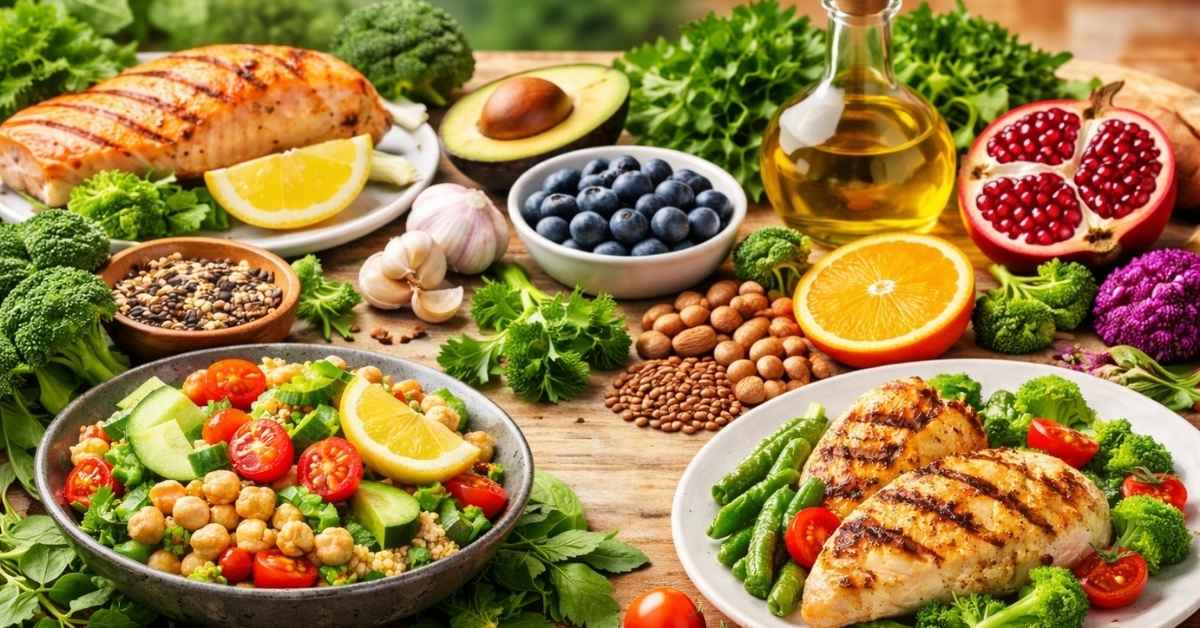
Potassium: The Natural Balancer. This mineral is crucial because it helps your body flush out excess sodium (salt) and eases tension in your blood vessel walls. It’s nature’s way of counteracting the effects of salt. You’ll find it in abundance in bananas, sweet potatoes, spinach, beans, and avocados.
-
Magnesium: The Relaxation Mineral. Magnesium helps your blood vessels relax, which improves blood flow and lowers pressure. It’s found in leafy greens, nuts, seeds, and whole grains.
-
Fibre: The Heart Helper. A diet rich in fibre, especially from fruits, vegetables, and whole grains, is consistently linked to lower blood pressure. It aids with weight management and overall heart health. The British Heart Foundation has excellent resources on the importance of fibre.
-
Less Sodium (Salt): The Smart Swap. This is the most well-known piece of the puzzle. Too much salt causes your body to hold onto water, increasing the pressure in your blood vessels. The goal isn’t to eliminate salt, but to reduce added salt and be mindful of hidden sodium in processed foods. The NHS recommends adults eat no more than 6g of salt a day (about a teaspoon).
By choosing recipes rich in potassium, magnesium, and fibre while minding sodium, you’re giving your body exactly what it needs to thrive.
Your Heart-Healthy Kitchen Toolkit
Transforming your diet starts with transforming your kitchen. A little preparation makes cooking these 25 delicious recipes to lower blood pressure effortless and enjoyable.
Stocking Your Pantry & Fridge
-
Herbs & Spices are King: Build an arsenal of dried and fresh herbs (basil, oregano, coriander, thyme) and spices (cumin, paprika, cinnamon, garlic powder, onion powder, black pepper). These are your new best friends for creating depth without salt.
-
Healthy Fats: Opt for olive oil, rapeseed oil, and avocado oil for cooking and dressings.
-
Whole Grains: Stock brown rice, quinoa, wholewheat pasta, and oats.
-
Canned Goodness (Low-Sodium): Look for tinned tomatoes, beans (kidney, chickpeas, cannellini), and lentils with “no added salt” labels. Rinsing them under water can reduce sodium further.
-
The Power Players: Always have garlic, onions, lemons, and vinegar (like balsamic or apple cider) on hand for instant flavour.
Decoding Food Labels Like a Pro
Don’t be fooled by marketing like “heart-healthy” on the front. Turn the package over:
-
Salt: Look for the “salt per 100g” figure.
-
High is more than 1.5g salt per 100g
-
Low is 0.3g salt or less per 100g
-
-
Sodium: Sometimes labels list sodium. To convert sodium to salt, multiply by 2.5. So, 1g of sodium equals 2.5g of salt.
Cooking Tips for Maximum Flavour
-
Sear and Sizzle: Browning onions, garlic, and meats (in a minimal amount of oil) creates a flavour foundation called the Maillard reaction—it’s a game-changer.
-
Acidity is Key: A splash of lemon juice or vinegar at the end of cooking can brighten a whole dish, reducing the need for salt.
-
Go Umami: Ingredients like mushrooms, tomatoes, and a small sprinkle of Parmesan cheese offer a deep, savoury taste that satisfies.
The 25 Delicious Recipes to Lower Blood Pressure
Now for the main event! Here is your curated collection of 25 delicious recipes to lower blood pressure, organised to make your meal planning simple.
Hearty Breakfasts to Start the Day Right
-
Berry & Spinach Power Smoothie: Blitz spinach (magnesium & potassium), frozen berries (fibre), a banana (potassium), and oats (fibre) with low-fat yogurt.
-
Creamy Avocado & Chilli Smash on Rye: Mash avocado (potassium & healthy fats) with lime, chilli flakes, and black pepper on a slice of rye toast.
-
Overnight Oats with Apple & Cinnamon: Combine oats, grated apple (fibre), cinnamon, and milk. Leave overnight for a ready-to-go, fibre-rich breakfast.
-
Veggie-Packed Frittata Muffins: Whisk eggs with diced peppers, spinach, and a pinch of turmeric. Bake in a muffin tin for a portable protein hit.
-
Sweet Potato & Black Bean Breakfast Hash: Sauté cubed sweet potato (potassium) with black beans (fibre & potassium), cumin, and smoked paprika for a savoury start.
Satisfying Soups & Salads
-
Hearty Lentil & Vegetable Soup: A fibre powerhouse. Use low-sodium vegetable stock and load it with carrots, celery, lentils, and kale.
-
Roasted Beetroot & Citrus Salad: Roast beetroot (potassium) to enhance its sweetness. Toss with orange segments, rocket, and a lemon-tahini dressing.
-
Classic Greek Salad (With a Twist): Use a reduced-salt feta. The olives add a salty punch, so you won’t miss added salt.
-
Creamy (No-Mayonnaise) Potato Salad: Swap mayo for a dressing of Greek yogurt, Dijon mustard, dill, and lemon.
-
Spiced Carrot & Ginger Soup: Ginger adds a warming kick. Blend cooked carrots (potassium) with fresh ginger, a touch of cumin, and low-sodium stock.
Nutrient-Packed Main Meals
-
One-Pan Baked Salmon with Lemon & Dill: Salmon is rich in omega-3s, great for heart health. Bake with asparagus and lemon slices.
-
Ultimate Veggie & Bean Chilli: A potassium festival! Use kidney beans, tomatoes, peppers, and sweetcorn. Flavour with chilli powder, cumin, and oregano. Serve with brown rice.
-
Herb-Crusted Chicken with Roasted New Potatoes: Coat chicken breasts in a mix of wholemeal breadcrumbs, parsley, and thyme. Roast alongside baby potatoes.
-
Lentil Bolognese: Swap half or all of the mince for brown lentils. They absorb the rich tomato and herb flavours and are packed with fibre and magnesium. For more heart-loving mince ideas, explore our guide to 10 Healthy & Delicious Ground Beef Recipes That Love Your Heart.
-
Turkey & Quinoa Stuffed Peppers: Mix lean turkey mince, cooked quinoa, tinned tomatoes, and herbs. Stuff into bell peppers and bake.
-
Miso-Glazed Aubergine Steaks: A great umami-rich vegetarian option. Brush thick aubergine slices with a glaze of white miso, rice vinegar, and a little honey, then grill or roast.
-
Quick & Easy Prawn Stir-fry: Stir-fry prawns with a rainbow of veggies (mangetout, peppers, broccoli) in a sauce of garlic, ginger, low-sodium soy sauce, and a squeeze of lime.
Simple Sides & Snacks
-
Crispy Kale Chips: Toss kale leaves with a tiny amount of olive oil and paprika. Bake until crisp for a satisfying, salty-feeling snack.
-
Garlic & Herb Roasted Chickpeas: Toss tinned (rinsed) chickpeas with garlic powder, rosemary, and a drizzle of oil. Roast until golden and crunchy.
-
Mashed Cauliflower with Chives: A brilliant lower-carb alternative to mashed potatoes. Steam cauliflower, blend until smooth with a knob of unsaturated spread and fresh chives.
-
Cucumber & Mint Raita: Grate cucumber, mix with low-fat natural yogurt, fresh mint, and a crack of black pepper. Perfect with spicy dishes.
-
Apple Slices with Almond Butter: A classic for a reason. The pairing of apple’s fibre with almond’s healthy fats and magnesium is a perfect heart-healthy snack.
Yes, You Can! Sweet Treats
-
Dark Chocolate-Dipped Strawberries: Choose dark chocolate with 70%+ cocoa (rich in flavonoids). Melt a small amount and dip fresh strawberries.
-
No-Bake Banana & Oat Cookies: Mash bananas, mix with oats, a dash of cinnamon, and dark chocolate chips. Form into patties and bake or simply chill.
-
Baked Cinnamon Apples: Core apples, fill with a mix of oats, cinnamon, and chopped walnuts. Bake until tender for a cosy, comforting dessert.
Building Lifelong, Delicious Habits
The goal isn’t to follow a strict, short-term diet, but to build a sustainable, enjoyable way of eating. Start by picking just 2-3 new recipes from this list of 25 delicious recipes to lower blood pressure to try next week. Cook in batches to save time—a big pot of soup or chilli can be lunch for days.
Remember, it’s about progress, not perfection. If you eat out or have a salty meal, just balance it with plenty of potassium-rich foods at your next meal and drink lots of water. For more inspiration on keeping flavour high and sodium low, check out our post on Taking Control: 18 Flavour-Packed, Healthy Low Sodium Recipes for Blood Pressure. And if you love drinking your nutrients, our 21 High Blood Pressure Juicing Recipes offer another tasty avenue to explore.
Your Tasty Journey Starts Now
We hope this guide has shown you that a heart-healthy diet is a vibrant, flavourful, and deeply satisfying adventure. These 25 delicious recipes to lower blood pressure are more than just a list—they’re your toolkit for taking control of your health in the most enjoyable way possible.
We’d love to hear from you! Which recipe are you most excited to try? Do you have a favourite family dish that’s naturally heart-healthy? Share your thoughts, tips, or questions in the comments below. If you found this guide helpful, please pass it on to a friend or pin it to your Pinterest board—you might just inspire someone else on their journey to better health.
Here’s to your health and happy cooking