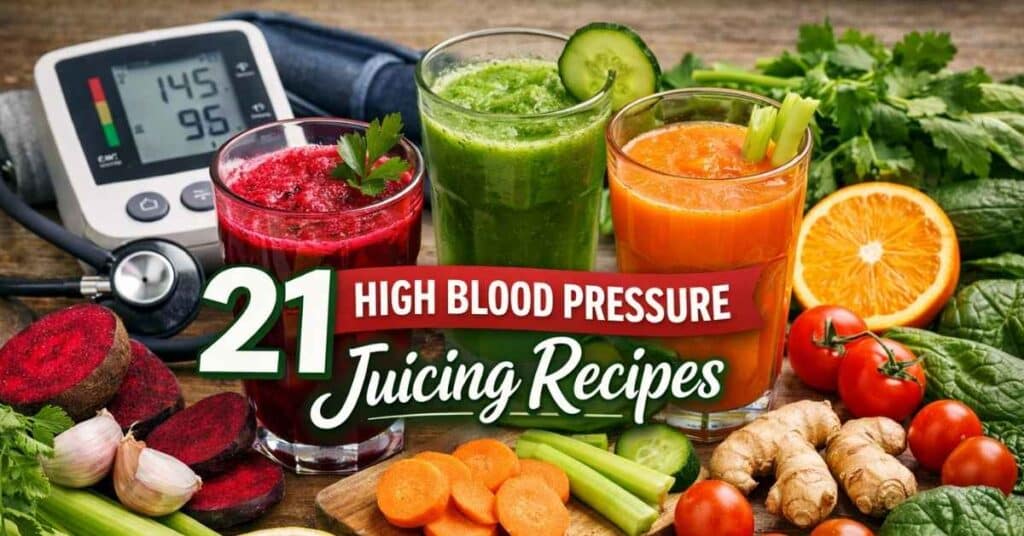
Feeling overwhelmed by the constant cycle of medication, doctor’s visits, and worrying about your blood pressure numbers? You’re not alone. Millions are looking for natural, supportive ways to take back control of their heart health. What if the secret weapon was hiding in your fruit bowl and vegetable crisper all along?
Enter the vibrant, nutrient-packed world of juicing. This isn’t about drastic diets or flavourless meals. It’s about harnessing the concentrated power of nature’s finest ingredients—ingredients scientifically recognised for supporting healthy blood pressure. This guide is your comprehensive companion, offering 21 high blood pressure juicing recipes that are as delicious as they are beneficial. We’ll provide a free PDF, answer all your pressing questions, and show you how to seamlessly blend juicing into your life, whether you’re also managing diabetes, aiming for weight loss, or simply wanting a healthier start to your day.
Why Juicing Can Be a Game-Changer for Blood Pressure

Before we dive into the recipes, let’s understand the “why.” High blood pressure, or hypertension, often develops when our arteries become less flexible or when there’s too much fluid in our blood. Diet plays a starring role.
Juicing delivers a potent, easily absorbed shot of key blood pressure-regulating nutrients:
-
Potassium: This mineral is crucial for balancing sodium levels in your body and easing tension in blood vessel walls. The National Health Service (NHS) highlights the importance of potassium for blood pressure management.
-
Nitrates: Found abundantly in leafy greens and beetroot, your body converts these into nitric oxide—a compound that relaxes and dilates blood vessels, improving blood flow.
-
Magnesium & Calcium: Essential minerals that help blood vessels constrict and relax properly.
-
Antioxidants (like Vitamin C): They combat oxidative stress and inflammation, which are linked to heart disease.
By juicing, you can consume a larger variety and quantity of these plants than you might typically eat, giving your body a direct line to the good stuff.
Important Safety Note:
Juicing is a powerful dietary supplement, not a replacement for medication. Always consult with your GP or a healthcare professional before making significant dietary changes, especially if you have conditions like diabetes or are on medication like blood thinners or blood pressure drugs. Monitoring your progress is key; you can track your readings using tools like a Blood Pressure Average Calculator to see trends over time.
Your Core Recipe Collection: The 21 High Blood Pressure Juicing Recipes
Here are 21 carefully crafted recipes, categorised to meet different needs and tastes. Remember, for the best fibre content, consider blending some recipes as smoothies, but for quick nutrient absorption, juicing is excellent.
The Foundation Recipes (Best for Daily Use)
These are your go-to, balanced juices packed with classic blood pressure-lowering champions.
1. The Classic Beetroot Blast

-
Why it works: Beetroot is a top source of nitrates. This recipe is a proven favourite for supporting healthy blood flow.
-
Ingredients: 1 medium beetroot (peeled), 2 large carrots, 1 apple (cored), 1-inch piece of ginger.
-
Tip: Start with half a beetroot if you’re new to the taste.
2. Green Glory
-
Why it works: Kale and spinach are potassium powerhouses. Cucumber adds hydration for healthy blood volume.
-
Ingredients: 2 large handfuls of kale, 1 handful of spinach, 1 cucumber, 2 celery stalks, 1 green apple (cored), ½ lemon (peeled).
-
Tip: Use apple or lemon to balance the earthy green flavours.
Citrus Sunrise
-
Why it works: Oranges and kiwi are bursting with vitamin C and potassium. This is a refreshing, sweet option.
-
Ingredients: 2 oranges (peeled), 2 kiwi fruits (peeled), 1 carrot, a small piece of turmeric (optional for anti-inflammatory boost).
*(Continue with 4-7 more foundation recipes, e.g., “Carrot-Apple Ginger Zing,” “Celery & Parsley Cleanse,” “Watermelon Cooler,” “Pomegranate Passion”)*
Juicing for High Blood Pressure and Diabetes
Managing both conditions requires a focus on low-glycemic, low-sugar vegetables. The key is to prioritise greens and limit sweet fruits.
8. The Diabetic-Friendly Green
-
Why it works: Very low in sugar, high in magnesium and chromium (from broccoli) which may help with insulin sensitivity.
-
Ingredients: 1 whole cucumber, 2 celery stalks, ½ green bell pepper, a large handful of broccoli, ¼ lemon (peeled).
-
Tip: Add a small green apple only if your blood sugar is well-managed.
9. Spicy Cinnamon Twist

-
Why it works: Cinnamon is linked to improved insulin sensitivity. This juice is warming and satisfying.
-
Ingredients: 2 tomatoes, 1 red bell pepper, 2 celery stalks, a pinch (or small stick) of cinnamon.
*(Continue with 10-12, e.g., “Bitter Gourd & Lime,” “Mostly Veggie Mix”)*
Juicing for High Blood Pressure and Weight Loss
These recipes are lower in natural sugars and higher in nutrients that promote satiety and metabolism.
13. Lean Green Machine
-
Why it works: High in volume, low in calories. Grapefruit may support metabolism.
-
Ingredients: ½ grapefruit (peeled), 1 cucumber, 2 large handfuls of spinach, 4-5 mint leaves.
*(Continue with 14-17, e.g., “Metabo-Fire” with chilli, “Cabbage Cleanse”)*
The Best Morning Drink for High Blood Pressure
Starting your day right sets the tone. The best morning drink is hydrating, not too acidic, and rich in nitrates or potassium.
18. Morning Beet & Berry
-
Why it works: Beetroot’s nitrates get to work, while berries add antioxidants. Gentle on an empty stomach.
-
Ingredients: 1 small beetroot, 1 cup mixed berries (frozen or fresh), ½ cucumber, ¼ lemon.
-
Tip: Drink it at least 20 minutes before your breakfast for optimal absorption.
19. Celery Sunrise
A simple, incredibly effective choice. Celery contains compounds that may help relax artery muscles.
Spotlight: The Best Time to Drink Pineapple Juice for High Blood Pressure
Pineapple is rich in potassium and an enzyme called bromelain, which may reduce inflammation. However, it’s also high in natural sugar.
-
The Best Time: Drink a small portion (around 100ml) of fresh pineapple juice with a meal or after exercise. This helps slow sugar absorption and provides a potassium boost when your body may need it. Avoid large quantities on an empty stomach, especially if monitoring blood sugar.
20. Pineapple Potassium Punch

-
Ingredients: ½ cup fresh pineapple, 1 cucumber, 2 celery stalks, 1-inch ginger.
(Add recipe 21 as a “Wildcard” favourite)
Ready to start? We’ve compiled all 21 high blood pressure juicing recipes into a beautiful, printable PDF for your kitchen.
Your Juicing FAQ: Science Made Simple
Which juice is best when BP is high?
For a quick, soothing option, pure celery juice or pomegranate juice (unsweetened, 100%) are excellent. Their compounds work to relax blood vessels. For a more balanced, daily approach, the Classic Beetroot Blast is a top contender.
Which fruit is best to reduce high BP?
Berries (blueberries, strawberries), bananas, watermelon, and pomegranates are all stellar choices due to their high potassium, antioxidant, and nitrate (in the case of watermelon) content.
Is lemon water good for high BP?
Yes! Starting your day with warm lemon water is a fantastic habit. Lemons are a good source of vitamin C and potassium. The hydration itself supports healthy blood volume and pressure. It’s a simple, effective natural remedy for high blood pressure.
What is the best morning drink for high blood pressure?
A small glass of beetroot juice or celery juice on an empty stomach, or a cup of warm lemon water, are all fantastic, research-backed ways to begin your day.
What is the 7 second trick to lower blood pressure?
This viral breathing technique involves a specific pattern of inhaling and exhaling. While deep breathing can activate the relaxation response and temporarily lower stress-related BP spikes, it is not a substitute for medical treatment. It’s a useful tool for acute stress moments, not a cure.
What vitamin deficiency causes high blood pressure?
Deficiencies in Vitamin D, Potassium (a mineral, not a vitamin), and Magnesium are strongly linked to hypertension. A diet rich in fruits and vegetables, like the ones we juice, helps correct this.
How to control high BP in 10 minutes?
You cannot safely “control” chronic hypertension in 10 minutes. For a sudden, anxiety-induced spike, you can try: sitting quietly and practising deep, slow breathing for 5-10 minutes. However, persistent high BP requires long-term lifestyle management and medical guidance.
Making Juicing a Sustainable Part of Your Life
Juicing is one piece of the puzzle. Pair it with a heart-healthy diet full of whole foods. For meal inspiration, check out our guides on 10 Healthy & Delicious Ground Beef Recipes That Love Your Heart and 27 Quick and Healthy Dinner Ideas for Tired Evenings.
Pro Tips:
-
Wash all produce thoroughly.
-
Drink your juice fresh to maximise nutrients.
-
Use organic when possible, especially for items on the “Dirty Dozen” list.
-
Listen to your body. If a juice doesn’t agree with you, adjust the ingredients.
Embracing a heart-healthy lifestyle doesn’t have to be dull or difficult. With these 21 high blood pressure juicing recipes, you have a delicious, colourful arsenal to support your wellbeing. Remember, small, consistent steps create lasting change.
Have you tried juicing for your blood pressure? What’s your favourite combination? Share your experiences, questions, or recipe twists in the comments below—let’s build a community of support! Don’t forget to pin this guide to your healthy living board to keep these recipes handy.
Disclaimer: This article is for informational purposes only and is not a substitute for professional medical advice, diagnosis, or treatment. Always seek the advice of your physician or other qualified health provider with any questions you may have regarding a medical condition.