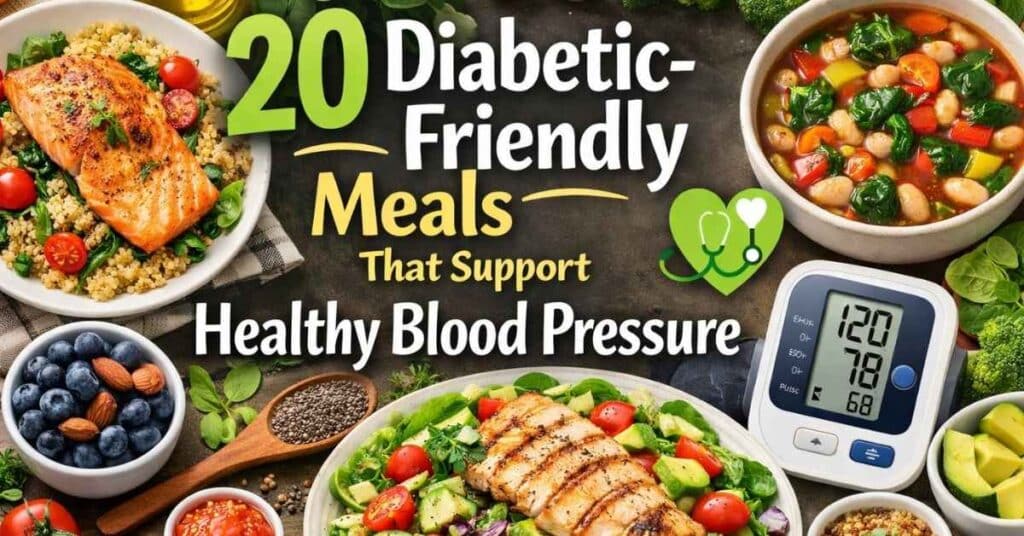
Imagine sitting down to a meal that’s not only bursting with flavour but also actively working to support your health. For the millions managing diabetes and high blood pressure (hypertension), this isn’t just a nice idea—it’s a daily necessity. These two conditions often go hand-in-hand, creating a challenging puzzle where food choices become your most powerful tool.
The good news? You don’t have to choose between bland, restrictive meals and your wellbeing. The secret lies in a heart-smart, diabetic-friendly approach: meals rich in fibre, lean protein, healthy fats, and key minerals like potassium and magnesium, while being mindful of sodium, refined carbs, and saturated fats. This isn’t about deprivation; it’s about delicious empowerment.
In this guide, we’ll explore 20 satisfying meals designed to keep your blood sugar stable and your blood pressure in check. We’ll move beyond just a list to provide practical tips, explain the why behind the ingredients, and show you how managing your health can be a flavorful journey. Think of it as your roadmap to a plate that loves you back.
Article Outline: Your Guide to Healthier Eating
To help you navigate this post easily, here’s what we’ll cover:
-
Why This Combination Matters: Understanding the crucial link between diabetes and blood pressure.
-
The Golden Rules of a Dual-Friendly Diet: The core principles for eating to manage both conditions.
-
Your 20 Diabetic-Friendly, Blood Pressure-Supporting Meals: Divided into breakfasts, lunches, dinners, and snacks.
-
Building Your Plate: A Practical Visual Guide: How to easily assemble a balanced meal.
-
Beyond the Plate: Lifestyle Synergy: How sleep, stress, and movement amplify your efforts.
-
Navigating Your Choices: Medication & Natural Approaches: A balanced look at managing health, touching on the debate of Low Blood Pressure Medication vs Natural Remedies: Which Is Better?
-
Your Next Steps: A summary and encouragement to begin.
The Powerful Link: Diabetes and Blood Pressure
Let’s start with the why. If you’re managing diabetes, you’ve likely heard about the importance of blood pressure control from your doctor. This is because the two conditions are intimately connected. According to the American Diabetes Association, having diabetes significantly increases your risk of developing high blood pressure. This duo can strain your blood vessels, raising the risk for heart disease, stroke, and kidney problems.
The common threads? Often, insulin resistance (a key feature of type 2 diabetes), inflammation, and shared lifestyle factors. The fantastic upside is that the same dietary and lifestyle changes that help stabilise blood glucose often have a profoundly positive effect on blood pressure. It’s a two-for-one benefit!
The Golden Rules of a Dual-Friendly Diet

Before we dive into the meals, let’s ground ourselves in a few simple, powerful principles. These aren’t harsh rules, but friendly guidelines to steer your choices.
-
Embrace Whole Foods: Focus on foods as close to their natural state as possible—vegetables, fruits, whole grains, lean meats, legumes, nuts, and seeds.
-
Be Sodium-Savvy: Excess sodium is a key driver of high blood pressure. We’ll focus on flavour from herbs, spices, citrus, and garlic instead of the salt shaker or processed foods. The NHS recommends adults have less than 6g of salt (about 2.4g of sodium) per day.
-
Power Up on Potassium & Magnesium: These minerals help counteract sodium and relax blood vessels. Think leafy greens, beans, avocados, bananas, and nuts.
-
Choose Smart Carbs: Opt for high-fibre, complex carbohydrates that release energy slowly. This means swapping white bread and pasta for wholegrain versions, quinoa, sweet potato, and oats.
-
Include Lean Protein & Healthy Fats: Protein helps with satiety and blood sugar control. Healthy fats (like those in olive oil, avocado, and fatty fish) are anti-inflammatory. A great resource on heart-healthy fats can be found on the British Heart Foundation website.
20 Diabetic-Friendly Meals That Support Healthy Blood Pressure
Here is our curated list, packed with ideas to inspire your weekly menu.
Energising Breakfasts (Kick-start Your Day)
1. Creamy Avocado & Smoked Salmon on Rye
Mash half an avocado on a slice of wholegrain rye toast. Top with smoked salmon, a squeeze of lemon, and cracked black pepper. Avocado provides healthy fats and potassium, while salmon offers omega-3s.
2. Berry & Spinach Power Smoothie
Blend a handful of spinach (rich in magnesium), a small handful of frozen berries, a tablespoon of ground flaxseed, plain Greek yoghurt (for protein), and unsweetened almond milk. It’s a fast, nutrient-dense start.
3. Hearty Overnight Oats
Mix rolled oats with chia seeds, cinnamon, and milk/milk alternative. Leave in the fridge overnight. In the morning, top with a few walnuts and a small serving of fresh berries. The fibre keeps you full and supports stable blood sugars.
4. Vegetable-Packed Omelette

Whisk two eggs with a splash of milk. Pour into a hot, non-stick pan and add diced peppers, mushrooms, spinach, and a sprinkle of feta cheese. Serve with a side of tomato salsa.
5. Chia Seed Pudding Parfait
Prepare chia pudding with unsweetened almond milk and a dash of vanilla. Layer it in a glass with a spoonful of plain yoghurt and a few raspberries. Chia seeds are a great source of fibre and omega-3s.
Satisfying Lunches (Midday Fuel)
6. Quinoa & Black Bean Salad
Mix cooked quinoa with tinned black beans (rinsed to reduce sodium), sweetcorn, diced tomatoes, red onion, and coriander. Dress with lime juice, olive oil, and cumin.
7. Lentil & Vegetable Soup
A hearty homemade soup is a winner. Sauté onions, carrots, and celery, add vegetable stock, tinned tomatoes, and brown lentils. Flavour with rosemary and thyme. Make a big batch for the week! For more plant-based inspiration, explore our guide to 19 Plant-Based Recipes for High Blood Pressure: You Should Follow.
8. Turkey & Hummus Wholemeal Wrap
Spread hummus on a wholemeal wrap. Add sliced roasted turkey breast (low-sodium if possible), plenty of salad leaves, cucumber, and shredded carrot. Roll tightly and enjoy.
9. Tuna Niçoise-Style Salad
Arrange mixed leaves with cooked green beans, boiled baby potatoes (in moderation), hard-boiled egg, olives, and tinned tuna (in spring water). A simple mustard and lemon dressing ties it together.
10. Stuffed Sweet Potato
Bake a medium sweet potato and top with a mixture of tinned kidney beans (rinsed), sweetcorn, and a dollop of Greek yoghurt mixed with lime and coriander.
Nourishing Dinners (Evening Comfort)
11. Baked Salmon with Lemon & Dill
Place a salmon fillet on a baking tray. Top with fresh dill, thin lemon slices, and a drizzle of olive oil. Bake and serve with steamed broccoli and a small portion of quinoa.
12. Chicken & Vegetable Stir-Fry
Stir-fry chicken strips with broccoli, mange tout, peppers, and bok choy in a small amount of olive oil. Flavour with fresh ginger, garlic, and a splash of low-sodium soy sauce or tamari. Serve with a small side of brown rice.
13. Turkey & Bean Chilli
A family favourite. Brown lean turkey mince with onions and garlic. Add tinned tomatoes, kidney beans, black beans, chilli powder, cumin, and paprika. Simmer and serve with a small side of brown rice and a sprinkle of coriander.
14. Lentil Bolognese
A fantastic plant-based alternative. Swap mince for brown or green lentils in your usual Bolognese sauce. Serve over a moderate portion of wholewheat spaghetti or spiralised courgetti for extra vegetables.
15. Herb-Crusted Cod with Roasted Vegetables
Coat a cod fillet in a mix of wholegrain breadcrumbs, parsley, and lemon zest. Bake alongside a tray of colourful vegetables (aubergine, courgette, peppers, red onion) tossed in rosemary.
Simple Snacks & Sides (Smart Nourishment)
16. Apple Slices with Almond Butter
A classic for good reason. The fibre in the apple and the protein/fat in the almond butter make a balanced, satisfying snack.
17. Roasted Chickpeas
Toss tinned chickpeas (rinsed and dried) with olive oil, smoked paprika, and garlic powder. Roast until crispy for a crunchy, fibre-rich snack.
18. Cucumber & Cottage Cheese
Slice cucumber into rounds and top with a small spoonful of low-fat cottage cheese and a grind of pepper. Refreshing and protein-packed.
19. A Small Handful of Mixed Nuts
Almonds and walnuts are particularly good choices. They provide healthy fats, magnesium, and are very portable. Stick to a small handful (about 30g) due to their calorie density.
20. Green Juice (as a supplement, not a meal replacement)
For a hydrating, mineral-rich boost, consider a homemade green juice. Combine kale, cucumber, celery, green apple, lemon, and ginger. Remember, whole vegetables are best, but this can be a helpful supplement. Find more ideas in our collection of 21 High Blood Pressure Juicing Recipes: Your Tasty Path to Better Health.
Building Your Plate: A Practical Visual Guide
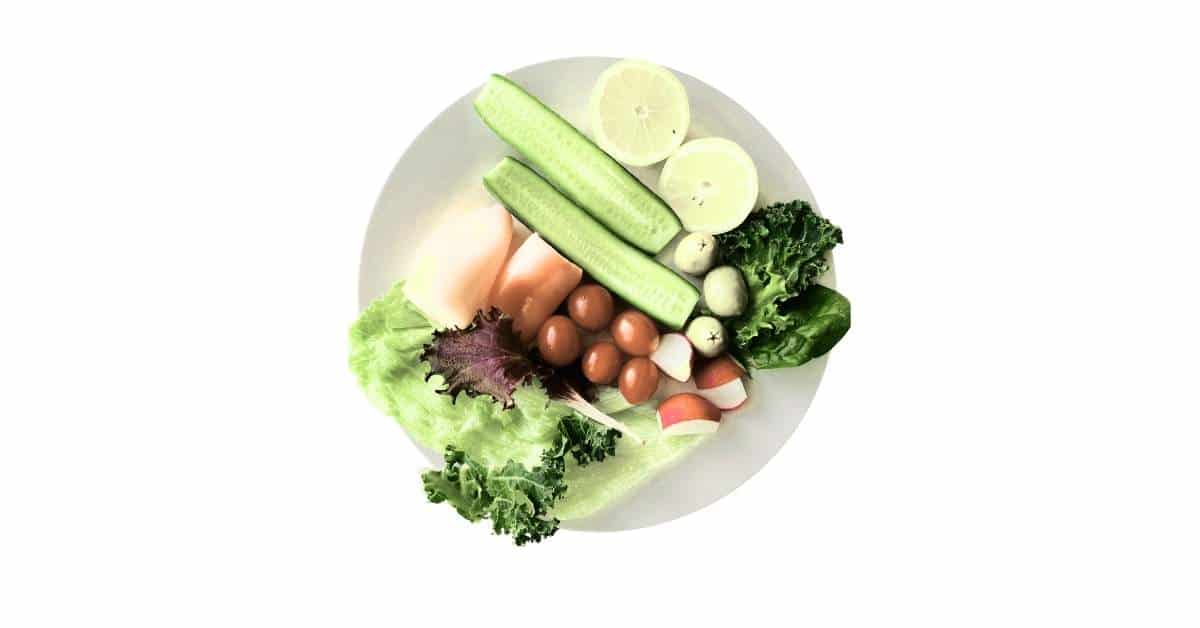
A simple trick is to visualise your plate divided into sections:
-
Half your plate: Non-starchy vegetables (e.g., broccoli, salad, peppers, carrots).
-
A quarter of your plate: Lean protein (e.g., chicken, fish, tofu, legumes).
-
A quarter of your plate: Smart, high-fibre carbohydrates (e.g., quinoa, sweet potato, brown rice).
This model naturally creates a balanced, dual-friendly meal.
Beyond the Plate: Lifestyle Synergy
Food is foundational, but other lifestyle factors work in harmony with your diet.
-
Move Regularly: Regular physical activity, like brisk walking, helps your body use insulin better and can lower blood pressure.
-
Manage Stress: Chronic stress can elevate both blood sugar and blood pressure. Try simple breathing exercises, mindfulness, or a hobby you love.
-
Prioritise Sleep: Poor sleep can disrupt hormones that regulate appetite and stress. Aim for 7-9 hours of quality sleep per night.
Navigating Your Choices: Medication & Natural Approaches
It’s vital to have an open conversation with your GP or healthcare team. For many, a combination of lifestyle changes (like the dietary approach outlined here) and medication is the most effective strategy for managing diabetes and hypertension.
This brings us to an important discussion many seek guidance on: Low Blood Pressure Medication vs Natural Remedies: Which Is Better? The truth is, it’s rarely an “either/or” question. Natural remedies—like the DASH (Dietary Approaches to Stop Hypertension) diet, regular exercise, and stress management—are powerful, evidence-backed tools that form the cornerstone of management. They can sometimes reduce the need for medication or allow for lower doses. However, for many, medication is a crucial and life-saving component of their care plan. Never stop or alter prescribed medication without consulting your doctor. The “better” approach is the one that is safest and most effective for you, as determined in partnership with your healthcare professional. The meals in this article are a perfect example of a powerful natural support system that works alongside medical guidance.
Your Flavorful Journey Starts Now
Managing diabetes and supporting healthy blood pressure doesn’t mean the end of enjoyable food. It’s a new beginning. By focusing on whole, nutrient-rich ingredients and delicious combinations, you can create meals that truly nourish and satisfy you. Start by picking one or two recipes from this list to try this week. Notice how you feel—not just physically, but empowered by taking positive steps for your health.
We’d love to hear from you! Which of these meals are you most excited to try? Do you have a favourite go-to recipe that fits this approach? Share your thoughts, questions, or tips in the comments below—your experience could inspire another reader. If you found this guide helpful, please share it on Pinterest to help others discover the path to healthier, delicious eating